






The Currency Rollercoaster
You’ve meticulously saved and planned for an international getaway or a foreign university degree. Your budget is set. But when you finally book your flights or pay tuition fees, the cost in rupees is suddenly higher. The culprit is the ever-changing
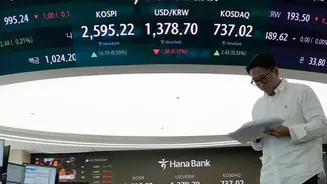
exchange rate. The value of the Indian Rupee (INR) against currencies like the US Dollar (USD), Euro (EUR), or British Pound (GBP) isn’t fixed; it moves daily based on economic performance, interest rates, and global events. This volatility means the money you set aside might not stretch as far as you thought, making your budget a constant work in progress.
The Real-World Impact
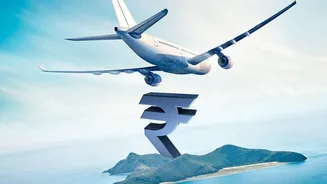
A small shift in the exchange rate can have a big impact. A depreciation of the rupee means you need more rupees to buy the same amount of foreign currency. For example, a 5% drop in the rupee’s value can increase the cost of a trip by 10-15% when you factor in flights, hotels, and local spending. For a family planning a US trip budgeted at ₹5,00,000, a dip in the rupee could add ₹30,000 or more to the final cost. For students, the effect is even more pronounced. A master's programme in the US costing $40,000 a year could become several lakhs more expensive due to currency fluctuations over the course of the degree.
Strategy 1: Plan and Budget with a Buffer
The best defence against currency risk is early and smart planning. Don’t base your entire budget on today’s exchange rate. Instead, look at historical trends to understand the potential for fluctuation. Financial experts recommend building a contingency fund of 10-15% into your budget to absorb any unexpected currency movements. Start monitoring the exchange rate months before your trip or when your fee payment is due. Many financial apps and websites allow you to set rate alerts, notifying you when the rupee strengthens, which could be a good time to buy foreign currency.
Strategy 2: Choose the Right Forex Tools
How you carry and spend money abroad matters. Relying solely on your domestic debit or credit card can be expensive, as most banks charge a foreign transaction or markup fee of 2.5% to 3.5% on every payment. A more cost-effective solution is a Forex Card. These are prepaid cards that you can load with foreign currency at a locked-in rate. This protects you from rate fluctuations during your trip. Multi-currency forex cards are ideal for trips covering multiple countries, as they help you avoid cross-currency conversion charges. For students and frequent travellers, zero-forex markup cards are becoming a popular choice.
Strategy 3: Consider Locking in Rates
For large, predictable expenses like tuition fees or a pre-booked tour package, it's worth exploring options to lock in an exchange rate in advance. One way is through a 'forward contract', which is an agreement with a bank or a forex service to exchange a specific amount of currency on a future date at a rate agreed upon today. This eliminates uncertainty completely. While typically used for business transactions, it’s a viable option for significant personal expenses like overseas education fees. This ensures you know the exact cost in rupees, regardless of market volatility on the payment date.
Beyond Travel and Education
The principles of managing currency risk extend beyond just travel and education. They are equally important for anyone sending money to family abroad (remittances) or receiving payments in a foreign currency. Using digital remittance platforms and comparing their fees and exchange rates can save a significant amount of money compared to traditional bank transfers. For freelancers or professionals earning in foreign currency, holding funds in a multi-currency account and converting them when the rate is favourable can maximize their earnings in rupees. Ultimately, being proactive is key.