



What Exactly is a Freestyle Dance Workout?
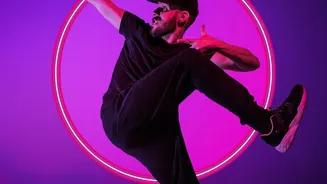
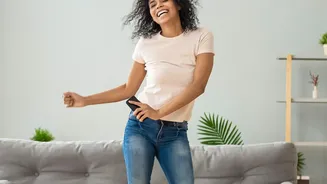
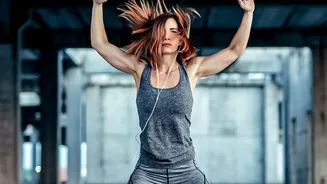
Freestyle dance is simply improvisational dancing where you move without a set routine. As a workout, it combines expressive, spontaneous movement with fitness, turning up the fun while you burn calories. Unlike structured dance classes or high-intensity
interval training that can feel repetitive, freestyle dance is driven by music and personal expression. The goal isn't to be a professional dancer; it’s to listen to the rhythm and let your body respond naturally. This makes it an incredibly accessible and enjoyable form of cardio that engages your entire body and lifts your spirits.
The Full-Body Benefits
Don't let the fun fool you—freestyle dancing is a powerful workout. It’s an excellent form of cardiovascular exercise that improves endurance and stamina. The constant motion, from large steps to small isolations, helps tone muscles across your body, including your core, legs, and arms. It also significantly enhances coordination, balance, and flexibility as you learn to better connect with your body's movements. Beyond the physical, freestyle dance is a major stress reliever. It provides a creative and emotional outlet, helping to boost your mood and build self-confidence as you become more comfortable with your own unique style of movement.
Getting Started: Space, Gear, and Mindset
Starting your at-home dance journey is simple. First, create a safe space. Clear a small area, about two by two metres, free of furniture, rugs, or other obstacles. You don't need special gear, just comfortable clothes that you can move in. You can dance barefoot or in supportive shoes, depending on your floor surface. The biggest hurdle is often mental. The key to freestyle is that there's no 'wrong' way to do it. Put aside any fear of looking awkward. The point is to feel the music and enjoy the moment, not to perform for an audience.
Foundational Moves for Your Toolkit
While freestyle is about improvisation, having a few basic moves in your back pocket can help you feel more confident. Start with these simple building blocks: - The Two-Step: This is the ultimate foundation. Simply step from side to side, shifting your weight to the beat.- Shoulder Rolls and Bounces: Let the beat move you by rolling your shoulders or adding a gentle bounce in your knees. This helps you get grounded in the rhythm.- Body Rolls: Create a wave-like motion starting from your chest and moving down through your hips. It’s a great way to add fluidity to your movement.- Step-Touch: Step to one side with one foot, then bring the other foot to meet it. It’s a classic, low-impact move that keeps you in motion.Remember, these are just starting points. You can change your direction, add arm movements, or vary your speed.
How to Structure Your At-Home Session
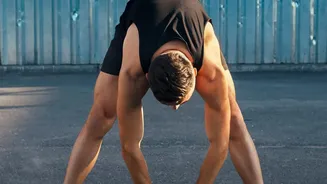
A good dance workout has a beginning, a middle, and an end. A 20- to 30-minute session is a great starting point for beginners. Try this simple structure:1. Warm-Up (3-5 minutes): Start with a slower song. Do some gentle movements like marching in place, shoulder rolls, and side steps to prepare your body.2. Main Session (15-20 minutes): Put on a playlist of songs that make you want to move. Mix up the tempo. For the first few songs, stick to simple repeating steps. As you get warmer, increase your energy. Use the moves from your toolkit and experiment with your own.3. Cool-Down (3-5 minutes): Choose a calm, slow song. Bring your heart rate down by swaying, stretching, and breathing deeply. Focus on stretching your calves, hips, and shoulders.
Curating the Perfect Playlist
Music is your most important partner in a freestyle workout. A great playlist can make the difference between a good session and a great one. Choose songs that genuinely energize and inspire you. Don't be afraid to mix genres—from hip-hop and pop to house and bhangra, any music with a good beat will work. Think about creating a flow with your music, starting with a mid-tempo track, building to more high-energy beats, and ending with something slow and melodic for your cool-down. The right song will make you forget you're even working out.