


A Living Tapestry of Blooms
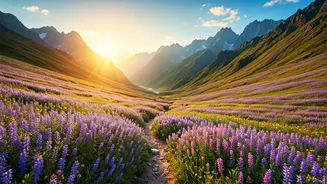
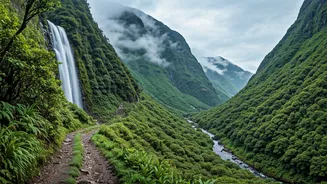
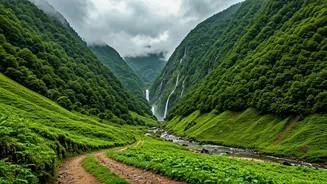
Declared a UNESCO World Heritage Site, the Valley of Flowers National Park in Uttarakhand is an alpine meadow that transforms into a vibrant carpet of colour during the monsoon season. From late June to early October, over 500 species of wildflowers bloom,
creating a spectacle that feels almost otherworldly. Imagine walking through fields of Himalayan blue poppies, potentillas, geraniums, and the elusive Brahma Kamal. This is not just a trek; it's an immersion into one of nature's most delicate art forms. The valley was largely unknown to the outside world until it was discovered by British mountaineer Frank S. Smythe in 1931. Its relative isolation has helped preserve its unique biodiversity, which includes rare and endangered animals like the Asiatic black bear, snow leopard, and blue sheep. For any nature lover, it represents the pinnacle of Himalayan floral landscapes.
Why 'Eco-Conscious' Matters Here
The very beauty that draws thousands of trekkers each year also makes the valley incredibly fragile. An alpine ecosystem is a delicate balance, and increased footfall, if not managed responsibly, can cause irreparable harm. The soil is thin, the growing season is short, and the flora is highly specialised. This is why a conscious approach is not just a trend, but a necessity. Park authorities have implemented strict rules to protect the area: camping within the valley is forbidden, and visitors must enter and exit on the same day, typically between 7 AM and 5 PM. Plucking flowers or disturbing wildlife is strictly prohibited. These regulations are in place to ensure the valley remains a sanctuary. The 'eco-conscious' adventurer understands that their visit is a privilege, and they actively participate in the conservation effort through their actions.
Your Guide to Green Trekking
Trekking responsibly in the Valley of Flowers is about mindful preparation and behaviour. First, 'Leave No Trace' is the golden rule. This means carrying all your waste—including food wrappers, plastic bottles, and tissues—back with you to the base village of Ghangaria or further down to Govindghat for proper disposal. Do not expect dustbins inside the park. Second, stick to the marked trails. Wandering off-path can trample delicate, unseen saplings and contribute to soil erosion. Third, support the local economy. Hire local guides and porters from Ghangaria or Pulna. They possess invaluable knowledge of the terrain and local culture, and your patronage provides a sustainable livelihood that encourages conservation. Finally, pack smart. Carry a reusable water bottle to avoid single-use plastics and bring biodegradable soap if you must use any. Every small decision contributes to a larger positive impact.
Planning Your Himalayan Sojourn
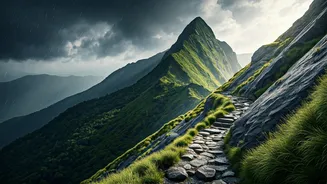
The journey to the Valley of Flowers is an adventure in itself. The trek officially begins from the village of Pulna, which is a short drive from Govindghat. From Pulna, it's a 9-kilometre trek to Ghangaria, the bustling base camp for both the Valley of Flowers and Hemkund Sahib. Ghangaria offers basic guesthouses and hotels for overnight stays. From Ghangaria, a separate permit is required to enter the Valley of Flowers, which is a 4-kilometre trek one way. Most trekkers spend a few hours exploring the valley's vast expanse before returning to Ghangaria by evening. The best time to visit is from mid-July to mid-August when the bloom is at its peak. Be prepared for rain, as the monsoon is what brings the valley to life. A good raincoat, waterproof shoes, and a resilient spirit are essential companions.