



A Familiar Powerhouse of Nutrition
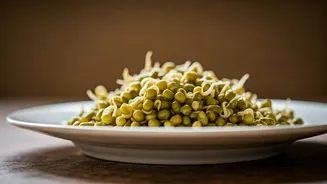
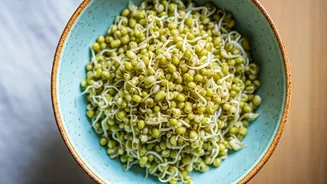
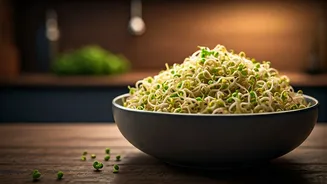
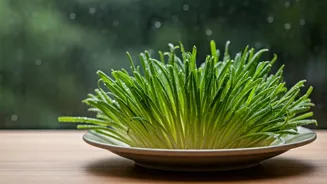
Let’s start with what we all know: moong sprouts are nutritional champions. Sprouting awakens the dormant moong bean, dramatically increasing its nutrient profile. They become packed with high-quality plant-based protein, essential for muscle repair and
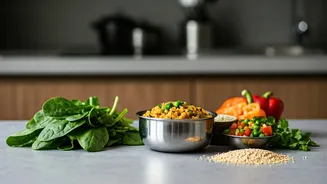
growth. They are an excellent source of dietary fibre, which aids digestion, promotes gut health, and helps in managing blood sugar levels. Beyond protein and fibre, these tiny green shoots are loaded with vitamins like Vitamin C and K, and essential minerals such as magnesium, potassium, and iron. For vegetarians and vegans in India, they are a cornerstone of a balanced diet, offering a powerful nutritional punch in a small, affordable package. This reputation is well-earned, but it’s only half the story.
The Case for Cooking: Digestibility and Safety
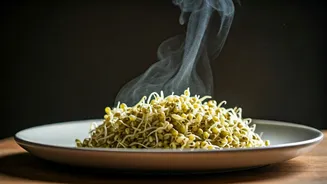
Here is where the argument for cooking begins. Raw sprouts, despite their benefits, can be tough on the digestive system for many people. They contain anti-nutrients like phytic acid and lectins, which can interfere with the absorption of minerals and cause bloating, gas, or stomach discomfort. Lightly cooking the sprouts helps break down these compounds, making them significantly easier to digest and allowing your body to access their nutrients more efficiently. More importantly, there is a crucial safety element to consider. The warm, humid conditions required for sprouting are also a perfect breeding ground for harmful bacteria like E. coli and Salmonella. While commercially sourced sprouts are often tested, the risk is never zero, especially with homemade batches. Cooking is the most reliable way to eliminate these potential pathogens, making your sprouts not just more digestible but also safer to consume.
But Doesn't Cooking Destroy Nutrients?
This is the most common concern, and it’s a valid one. It’s true that prolonged, high-heat cooking can degrade certain heat-sensitive nutrients, particularly Vitamin C. However, the key is the cooking method. We aren’t talking about boiling them into a mush. A gentle steam for a few minutes, a quick sauté or stir-fry, or even blanching them in hot water is all that’s needed. These methods preserve the vast majority of vitamins and minerals while delivering the benefits of improved digestibility and safety. The slight loss in Vitamin C is a small price to pay for unlocking more protein and minerals and eliminating the risk of foodborne illness. In essence, you gain far more than you lose by applying a little bit of heat.
Unlocking Flavour and Culinary Versatility
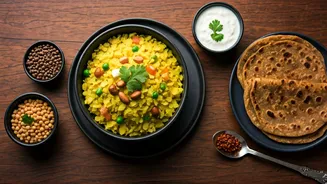
Beyond health, cooking opens up a world of flavour. While raw sprouts have a crisp but somewhat 'green' or raw taste, cooked sprouts develop a softer texture and a milder, more pleasant flavour that readily absorbs spices and seasonings. This makes them incredibly versatile in the kitchen. A simple tadka of mustard seeds, cumin, turmeric, and a pinch of asafoetida (hing) can transform steamed sprouts into a delicious side dish or sabzi. They can be stirred into poha, upma, or soups to add a protein boost. You can mix them into dal for added texture or use them as a filling for dosas and cheelas. Raw sprouts are mostly confined to salads and chaats, but their cooked counterparts can be seamlessly integrated into a wide array of everyday Indian dishes, making it easier to eat them regularly.
Simple Ways to Prepare Your Sprouts
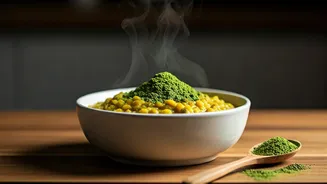
Ready to give it a try? It’s easier than you think. For the simplest approach, steam them for 3-5 minutes until they are slightly tender but still have a bit of a bite. You can then toss them with salt, pepper, and a squeeze of lemon for a simple warm salad. Another great option is a quick stir-fry. Heat a little oil or ghee in a pan, add some chopped onions and tomatoes, sauté for a minute, then add your sprouts along with your favourite spices like turmeric and red chilli powder. Cook for just a few minutes until they are heated through. This method is perfect for a quick, nutritious accompaniment to roti or rice. This small extra step of cooking makes them a delicious and reliable part of your diet.