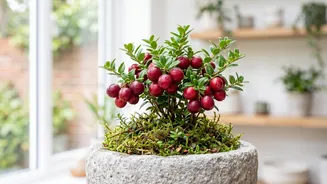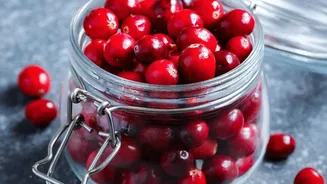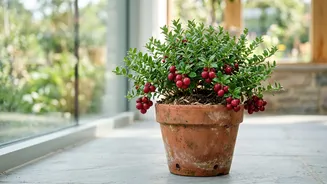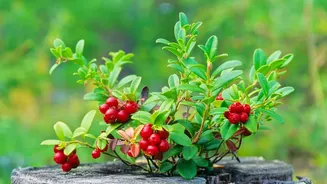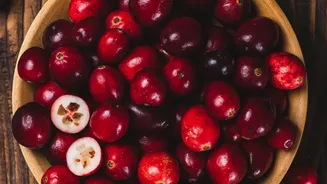

The idea of harvesting tart, homegrown cranberries from a pot in your living room is certainly appealing. But while growing these unique plants indoors is possible, getting them to produce fruit is a project for the dedicated gardening enthusiast.
Understanding the Cranberry's Nature
To succeed
with indoor cranberries, you must first understand their wild origins. Cranberries (Vaccinium macrocarpon) are not typical houseplants; they are native to the acidic, sandy bogs and swamps of North America. These low-growing, vining plants are evergreens that creep along the ground, sending up short vertical stems where flowers and fruit are produced. Replicating their unique bog-like environment indoors is the central challenge and the key to managing your expectations for a harvest.
The Critical Need for Acidic Soil
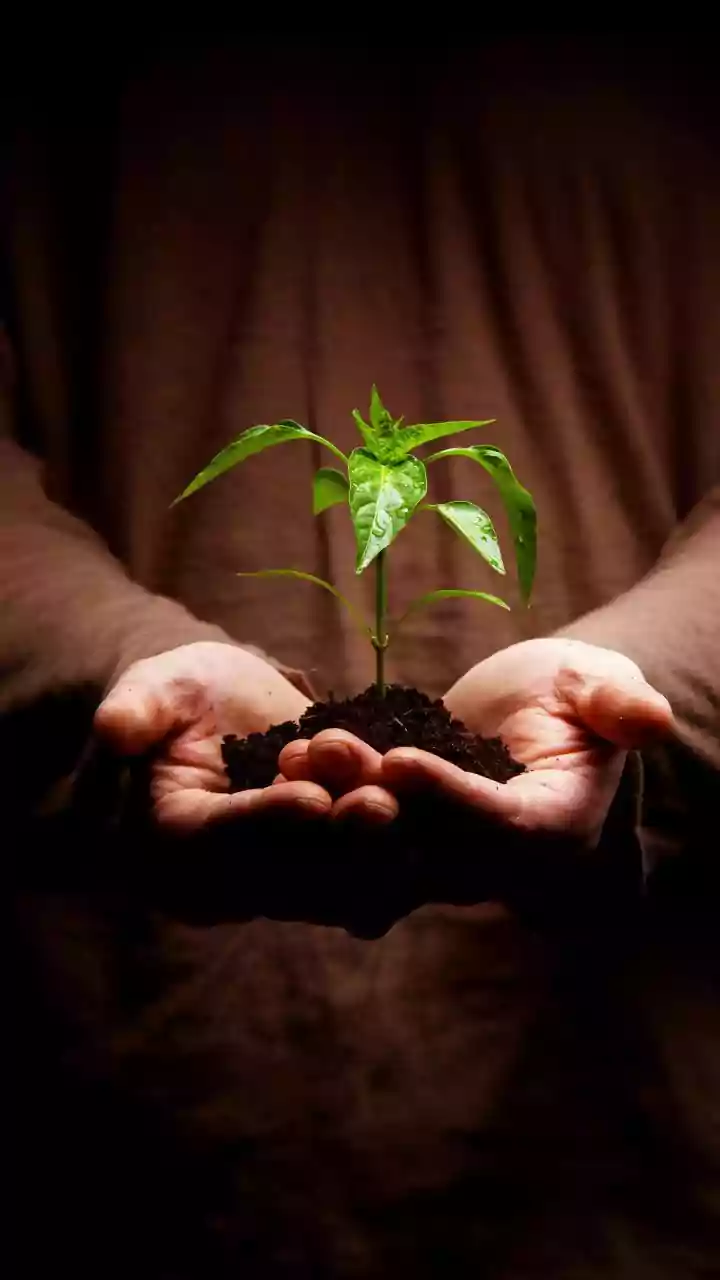
Cranberries are acid-loving plants and will not survive in standard potting soil. They demand a soil pH between 4.0 and 5.5. To create a suitable medium, you will need to use a base of peat moss mixed with sand or perlite to ensure both high acidity and excellent drainage. While cranberries love moisture, their roots can be deprived of oxygen in waterlogged soil. You must also be mindful of your water source; alkaline tap water can raise the soil's pH over time, so using rainwater or filtered water is often recommended.
Light, Water, and Humidity
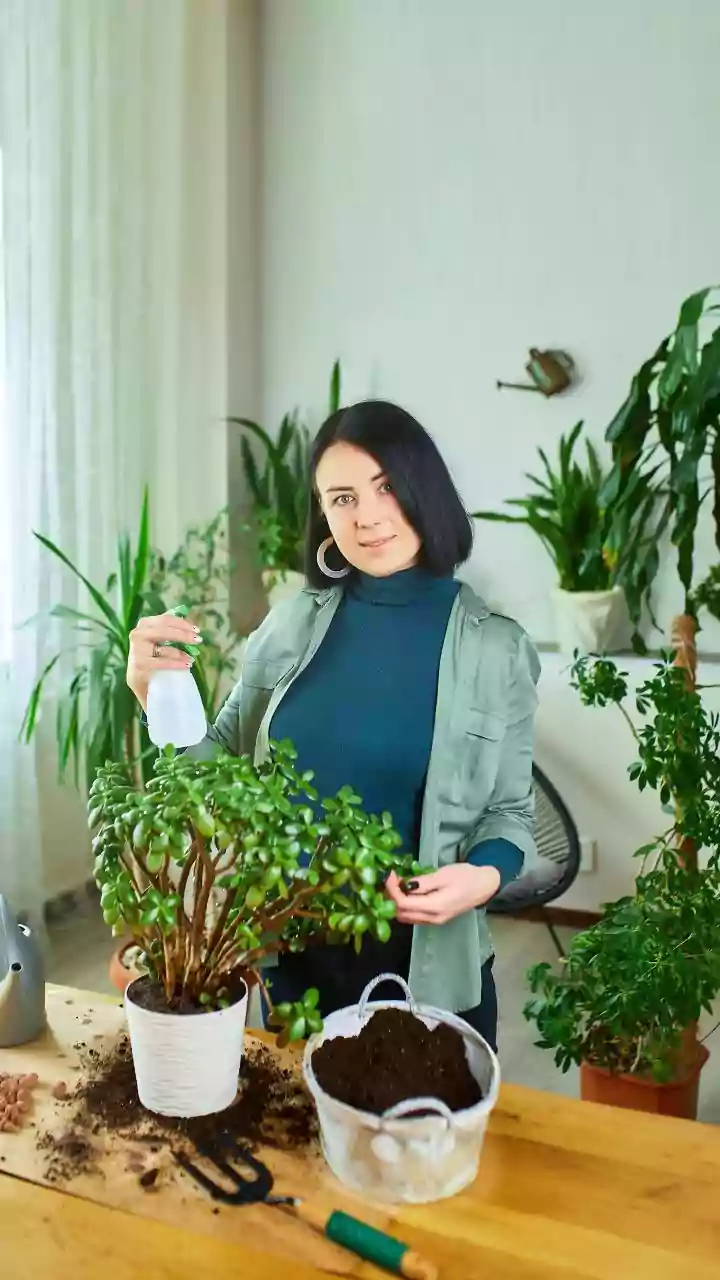
For the best chance at producing fruit, cranberry plants need full sun, which translates to at least six hours of direct sunlight per day indoors. A south-facing window is ideal, but for most indoor growers, supplementing with a strong grow light is essential to prevent weak growth and encourage flowering. These plants also require consistently moist soil, so you will need to water regularly, especially during the growing season. They prefer a humid environment, which can be another challenge in a centrally heated home.
The Chilling Requirement Hurdle
Perhaps the biggest obstacle to fruiting indoor cranberries is their need for a cold dormancy period. To set flowers and fruit properly, cranberry plants require a significant number of 'chill hours'— a period of cold temperatures. Sources suggest this can be anywhere from 650 to over 1,500 hours at temperatures below 7°C (45°F). Without this extended cold rest, the plant may not break dormancy correctly, leading to poor growth and no blossoms. For an indoor plant, this means you must find a way to provide this cold period, such as moving the pot to an unheated garage, a protected porch, or another cold but not freezing location for the winter months.
The Pollination Puzzle
Outdoors, cranberry flowers are pollinated by bees. While the flowers contain both male and female parts, they often benefit from cross-pollination to set fruit effectively. Indoors, you will have to play the role of the bee. Once the delicate, pinkish flowers appear, you will need to hand-pollinate them. This can be done by gently using a small, soft paintbrush or cotton swab to transfer pollen from the anthers of one flower to the stigma of another. This process should be repeated every few days while the plant is in bloom to maximize your chances of fruit set.
So, What Fruit Can You Expect?
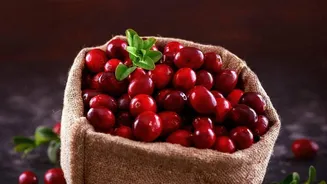
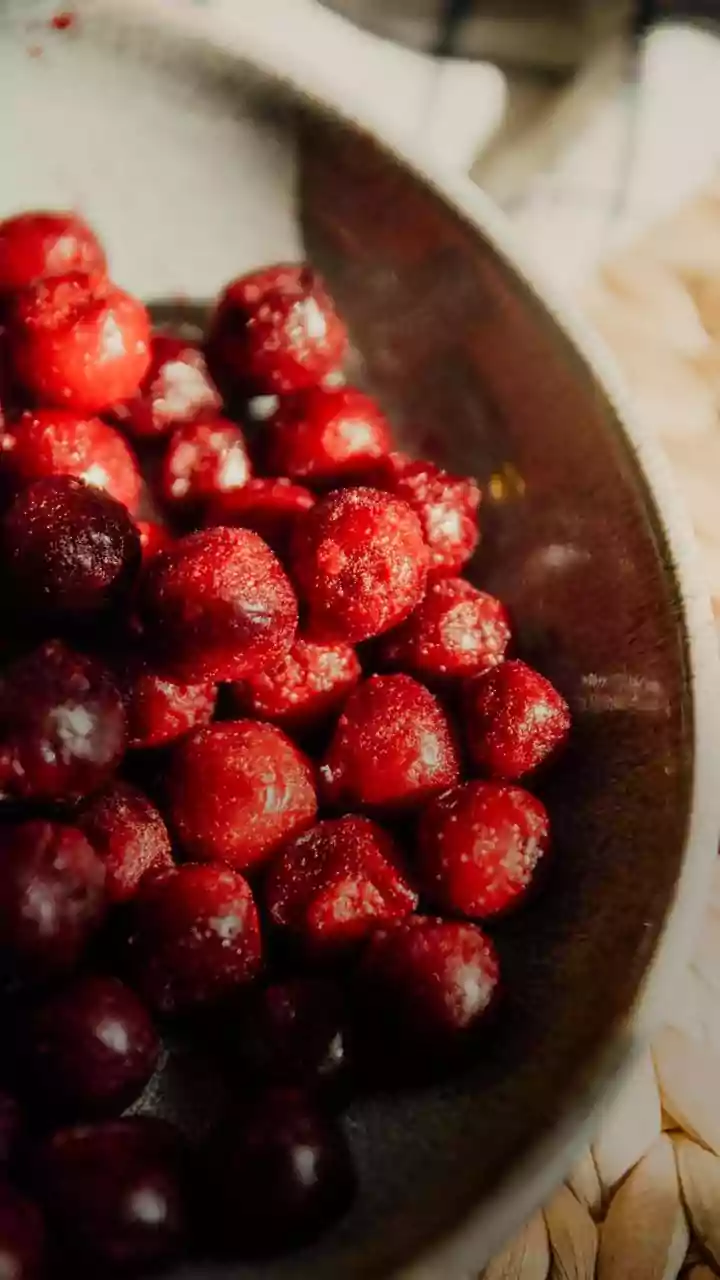
If you successfully navigate all these challenges—acidic soil, intense light, consistent water, a long chilling period, and meticulous hand-pollination—you may be rewarded with fruit. However, it is crucial to set realistic expectations. An indoor cranberry plant is unlikely to produce a large, Thanksgiving-worthy harvest. A healthy, well-cared-for plant might yield a handful of berries. Fruit production typically begins on two- or three year old plants. The joy of growing cranberries indoors often comes more from the challenge and the beauty of the evergreen vines than from a bountiful crop.