




The Sahyadri Giant: Harishchandragad, Maharashtra
In the dry season, Harishchandragad is a formidable trekker’s challenge defined by stark, sun-baked rock and dusty trails. The climb is a test of endurance under a harsh sun, rewarding you with panoramic, clear views from its famous cliff, Konkan Kada.
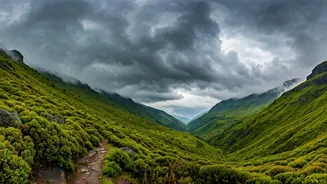
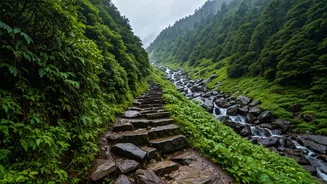
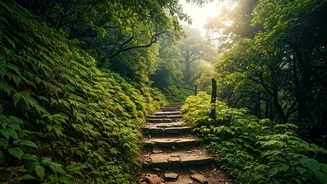
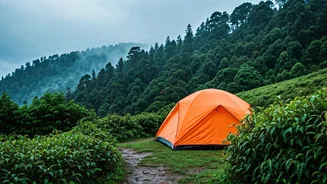
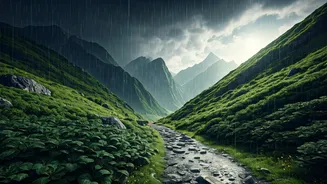
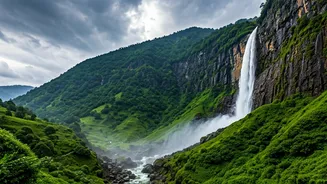
The landscape is a palette of browns and greys, beautiful in its rugged austerity. Enter the monsoon. The entire fortress-mountain undergoes a rebirth. The trail becomes a series of small, gushing streams you have to navigate. The rocks, once easy to grip, are now slick with moss and require careful footing. The real magic, however, is the atmosphere. The mountain is perpetually shrouded in thick, moving mist, creating an ethereal, almost mystical experience. Reaching Konkan Kada is no longer about the distant view, but about the vertigo-inducing spectacle of clouds flowing up and over the cliff edge, sometimes creating mesmerising reverse waterfalls. The air is cool, fragrant with the scent of wet earth and blooming wildflowers. It’s less of a physical battle against heat and more a delicate dance with the elements.
The Himalayan Carpet: Valley of Flowers, Uttarakhand
This trek is unique because it barely exists outside the monsoon. While technically accessible before the rains, the ‘Valley of Flowers’ is just a valley—a beautiful, stark, high-altitude alpine meadow. The experience is one of serene, barren beauty, with the promise of what's to come hanging in the cold, thin air.
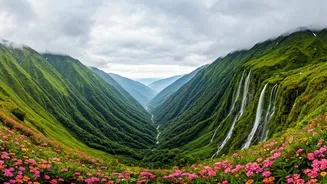
But from July to September, the monsoon unleashes a miracle. The valley explodes into a riot of colour, with over 500 species of wildflowers blooming in unison. The landscape transforms from a quiet meadow into a vibrant, living carpet of pinks, purples, blues, and yellows, set against the dramatic backdrop of snow-capped peaks playing hide-and-seek with the clouds. The Pushpawati River, a modest stream in other seasons, swells into a powerful torrent. The trek becomes a journey through a botanical wonderland, where every turn reveals a new floral spectacle. The challenge isn't just the altitude, but the rain-soaked paths and the sheer, overwhelming beauty that makes you want to stop every few feet. It's not a different climb; it's the *only* time to truly experience this climb.
The Southern Peak: Tadiandamol, Karnataka
As the highest peak in Coorg, Tadiandamol offers a pleasant, if somewhat dry, trek for most of the year. The trail winds through shola forests and vast grasslands that are golden-brown under the sun. The final ascent is a grassy ridge walk, with clear, expansive views of the rolling hills of the Western Ghats.
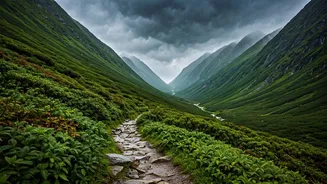
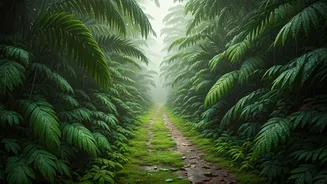
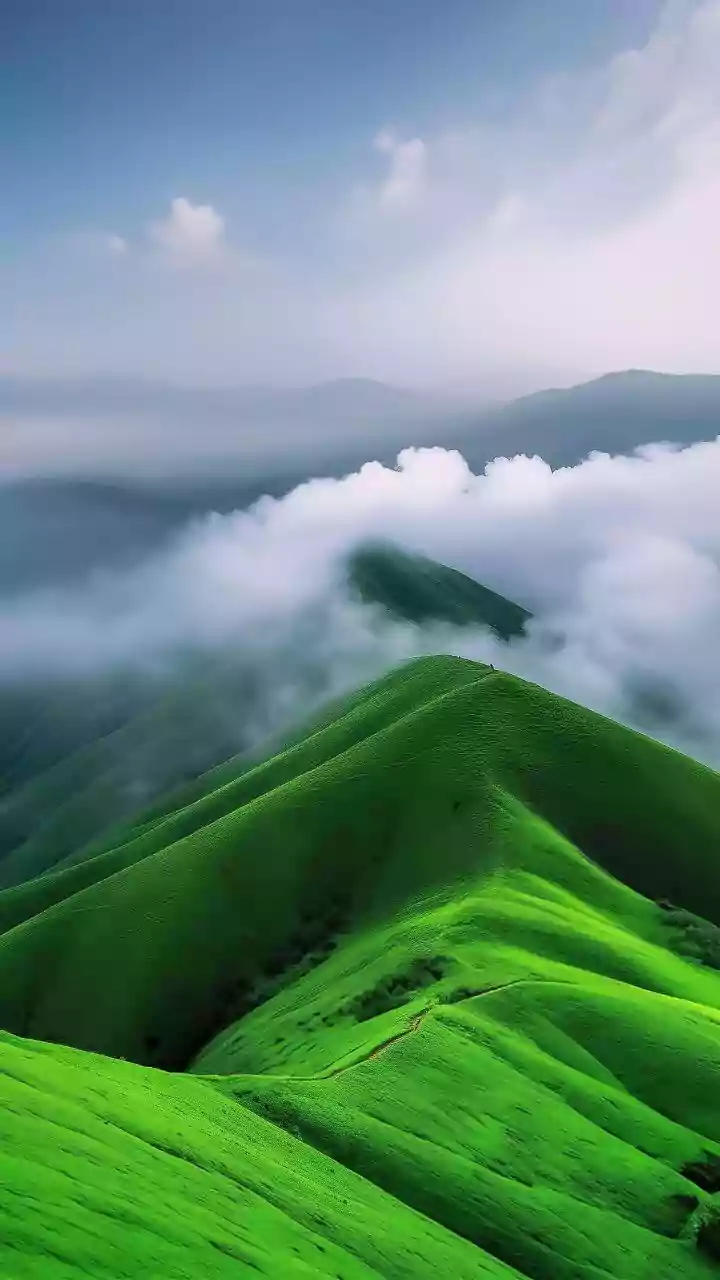
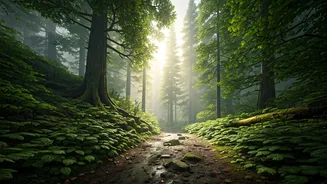
The monsoon turns this gentle giant into a wild, dramatic adventure. The grasslands transform into a sea of emerald green so vivid it almost hurts the eyes. The shola forests become dense, dark, and dripping, echoing with the sounds of insects and frogs. The trail itself can become a slushy channel, and trekkers must contend with the infamous monsoon companion: leeches. But the rewards are immense. Waterfalls appear where there were none, and the entire landscape feels alive and breathing. The summit, often covered in a thick blanket of fog, offers a completely different kind of reward—not of sweeping vistas, but of a profound sense of isolation and connection with the raw power of nature. You feel like you’re walking through the clouds themselves.
The Fort of Fireflies: Rajmachi, Maharashtra
A popular beginner's trek near Lonavala, Rajmachi in the dry months is a straightforward, dusty walk to a historic fort complex. It’s a great day-trip for history buffs, offering a glimpse into Maratha architecture with a relatively easy approach.
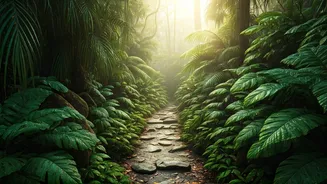
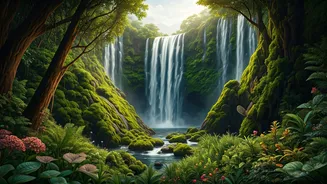
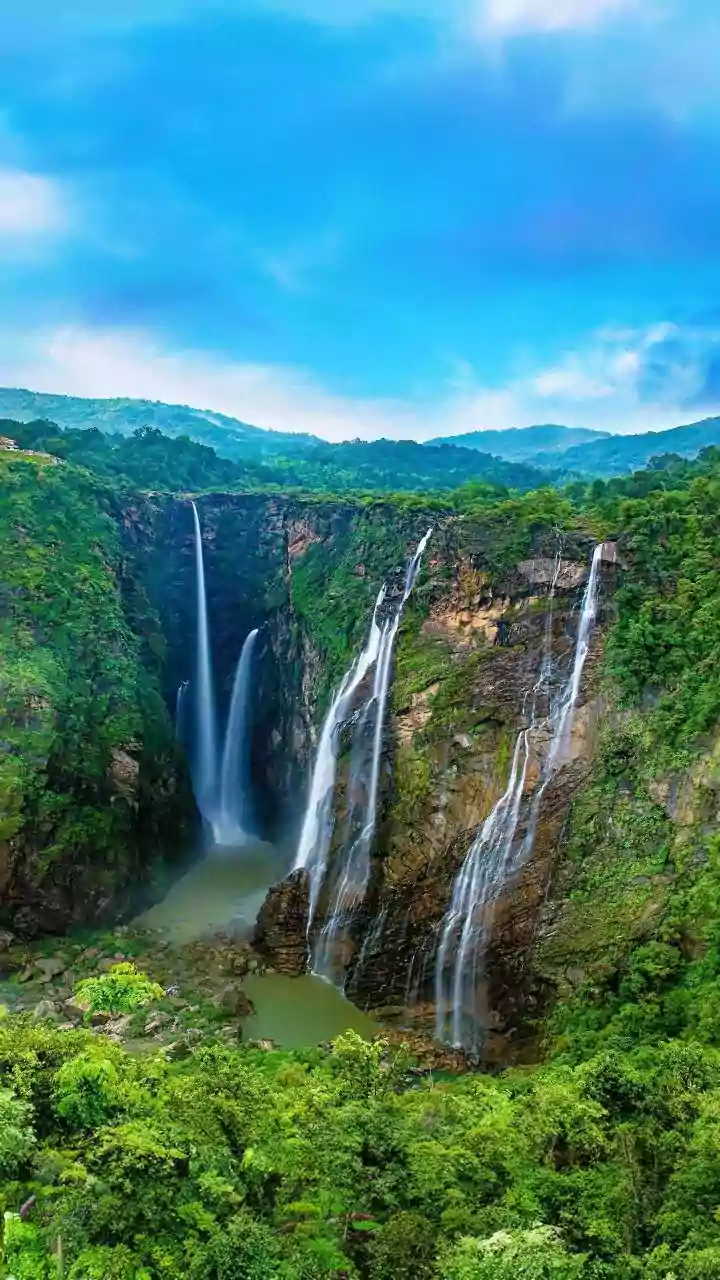
Visit just as the first monsoon showers hit in late May or June, and the purpose of the trek changes entirely. The path to Rajmachi becomes one of India's most enchanting natural spectacles: a festival of fireflies. For a few precious weeks, the forests along the trail light up with millions of these bioluminescent insects, creating a surreal, fairy-tale atmosphere. The trek is best done at night, turning a simple walk into a magical journey. As the monsoon progresses, the fireflies fade, but the waterfalls take over. The route becomes famous for its numerous cascades, turning the journey into a refreshing, water-soaked adventure. The fort itself, washed clean by the rain and draped in mist, feels more ancient and mysterious. It's a trek that offers two distinct monsoon personalities—one of light, one of water.