








From Sustenance to Story
We’ve all had good meals, but what elevates one to greatness? It’s often the story behind it. In today’s dining landscape, a shift is happening where food is becoming a medium for storytelling. Chefs and restaurateurs are recognizing that sharing the narrative
of a dish—its history, the origin of its ingredients, the inspiration behind it—creates a deeper, more meaningful connection with the diner. This moves the experience beyond simple consumption and into a form of cultural exploration. When you understand the 'why' behind your meal, it stops being just food on a plate and becomes a chapter in a much larger story, one of people, places, and time. This approach cultivates an emotional bond, making diners feel like participants in something special and creating loyalty that transcends the menu itself.
The Power of Place
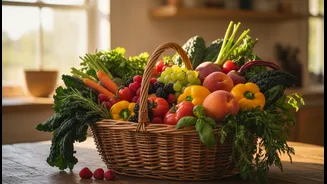
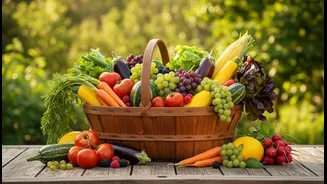
The French have a word for it: terroir. While most commonly associated with wine, the concept that the specific environment—soil, climate, and geography—shapes the flavour of a product is increasingly being applied to food. A tomato grown in the fertile soil of a local farm will taste distinctly different from one sourced from thousands of miles away. When a restaurant highlights the specific place an ingredient comes from, it does more than just ensure freshness; it grounds the dish in a unique identity. This is why menus that celebrate produce from a particular region, or even a single farm, feel so special. They offer a literal taste of a place, an authentic expression of its environment that cannot be replicated elsewhere. This focus on origin helps differentiate a restaurant and gives diners a compelling reason to connect with the food they are eating.
Dining with the Seasons
Following the rhythm of the seasons is another powerful way restaurants enrich the dining experience. A menu that changes with what’s being harvested locally offers ingredients at their absolute peak of freshness, flavour, and nutritional value. This practice not only provides a superior taste experience but also creates a sense of anticipation and excitement for diners, who return to see what new creations the changing seasons have inspired. Embracing seasonality allows chefs to be more creative and innovative, constantly refreshing their offerings. It also carries economic and environmental benefits, as sourcing locally and in-season can reduce costs and lower the carbon footprint associated with transportation. For the diner, it’s a simple, delicious way to connect with the natural world and its cycles.
A Taste of Tradition
Restaurants can also act as cultural custodians, preserving and celebrating culinary heritage. When a chef shares that a recipe was passed down through their family for generations or explains the historic ritual associated with a particular dish, they are inviting the diner into a tradition. This context adds a layer of depth and authenticity that makes the meal more profound. In India, for example, a growing number of chefs are moving beyond the standard pan-Indian menus to explore the distinct culinary identities of specific states and communities, from Tamil Nadu to Punjab. These restaurants are not just serving food; they are sharing memories and protecting legacies, allowing diners to experience rare recipes and cooking techniques that tell the story of a region’s culture.
The Chef as Storyteller
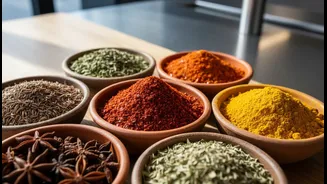
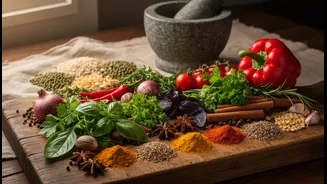
Ultimately, the responsibility for weaving these narratives falls to the chef and their team. A chef who shares their personal inspiration—a childhood memory, a journey, a conversation with a farmer—transforms themselves from a cook into a storyteller. This narrative can be conveyed through the menu, by trained waitstaff who can share anecdotes about each dish, or even by the chef themselves. When a server explains why a particular vinegar was chosen or how a rare spice was sourced, they are giving the diner more than information; they are offering a moment of connection. This turns the meal into a dialogue, a shared experience that makes the food, and the restaurant itself, truly unforgettable.