





Understanding the Enemy: What is Root Rot?
Root rot is a disease that occurs when a plant's roots are deprived of oxygen because they are sitting in waterlogged soil. This environment is perfect for certain fungi and bacteria to thrive, which then attack the roots, causing them to decay. As the roots die,
they lose their ability to absorb water and essential nutrients, leading to a rapid decline in the plant's health. While it can happen anywhere, it's particularly common in potted plants on balconies, where drainage can be a challenge.
Spotting the Danger Signs
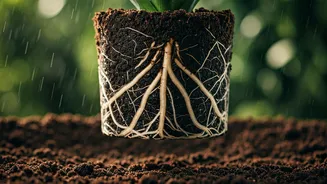
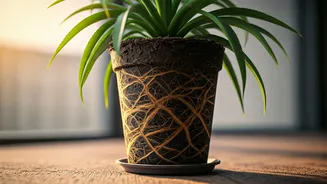
Root rot is sneaky because it starts below the soil. The first symptoms you'll likely see are above ground. Watch for leaves that are yellowing, wilting, or dropping, even when the soil feels moist. The plant's growth may seem stunted or slow. If you suspect a problem, the only way to be certain is to inspect the roots. Gently slide the plant out of its pot. Healthy roots should be firm and whitish or tan. If you find roots that are brown or black, soft, and mushy, you've found root rot. Often, there will be a foul, rotten smell coming from the soil.
The Main Causes in Balcony Gardens
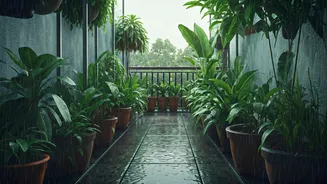
The number one cause of root rot is overwatering. We often kill our plants with kindness, giving them more water than they need. This is especially risky in India's humid monsoon season, when plants require less frequent watering. The second major culprit is poor drainage. Pots without enough drainage holes, or pots sitting in a saucer full of water, trap moisture around the roots. Heavy, dense soil that doesn't allow for air circulation can also contribute to the problem.
An Emergency Rescue Plan
If you've caught it early enough, you might be able to save your plant. First, carefully remove the plant from its pot and gently shake off the old, wet soil. Next, rinse the roots under lukewarm water to get a clear look. Using a clean, sterilised pair of scissors or shears, trim away all the brown, mushy, and dead roots, leaving only the healthy, firm ones. If you've had to remove a significant portion of the root system, it's a good idea to prune back about one-third of the plant's leaves. This reduces the stress on the remaining roots as they have less foliage to support. Finally, repot the plant in a clean pot with fresh, well-draining potting mix. Discard the old, infected soil completely.
Prevention: The Best Strategy
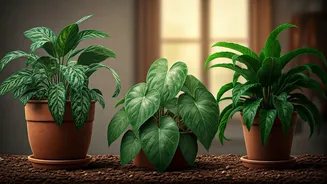
The best way to deal with root rot is to prevent it from ever starting. The golden rule is to water only when necessary. Before watering, stick your finger about an inch or two into the soil; if it feels dry, it's time to water. If it's still moist, wait a few more days. Always ensure your pots have adequate drainage holes. Using terracotta or clay pots can also help, as they are porous and allow soil to breathe, reducing the risk of waterlogging. Finally, good air circulation between plants is important, especially in humid weather, so avoid overcrowding your balcony space.
Choosing the Right Foundation
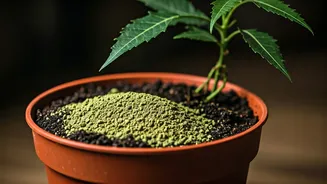
Using the right soil mix is critical for preventing root rot in containers. Avoid using heavy garden soil, which compacts easily. Instead, opt for a light, fluffy potting mix designed for containers that provides good aeration and drainage. You can buy pre-made mixes or create your own. A good DIY mix often contains ingredients like coco peat or peat moss for moisture retention, mixed with perlite, pumice, or orchid bark to create air pockets and improve drainage. This type of chunky, well-draining soil gives roots the balance of moisture and oxygen they need to thrive.