




The Iron Showdown: More Than Just a Number
On paper, lentils are the clear winner in the iron department. A 100-gram serving of cooked lentils provides around 3.3 mg of iron, which is more than double the 1.5 mg found in the same amount of cooked quinoa. For anyone looking to boost their iron intake,
especially on a plant-based diet, lentils seem like the obvious choice. However, the story of iron is more complex than just quantity. Both lentils and quinoa contain non-heme iron, the type found in plant foods. This form of iron is less easily absorbed by the body compared to heme iron, which comes from animal products. This means the actual amount of iron your body gets from these foods can be influenced by what you eat them with.
The Magnesium Match-Up: Quinoa Takes the Lead
While lentils lead on iron, quinoa boasts a significant advantage when it comes to magnesium. A 100-gram serving of cooked quinoa offers roughly 64 mg of magnesium, while lentils provide a more modest 36 mg. Magnesium is a crucial mineral that plays a role in over 300 enzyme systems in the body, supporting muscle and nerve function, blood sugar control, and blood pressure regulation. Quinoa's status as a whole seed means you consume the entire grain, including the outer layer where many minerals like magnesium are concentrated. For individuals focused on increasing their magnesium intake for bone health or energy production, quinoa is the superior option.
Boosting Absorption: The Secret to Unlocking Minerals
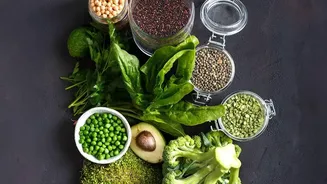
The mineral content on a nutrition label doesn't tell the whole story; bioavailability is key. This refers to how much of a nutrient is absorbed and used by the body. Both quinoa and lentils contain compounds called phytates, which can bind to minerals like iron and zinc, inhibiting their absorption. The good news is that you can counteract this effect. Pairing these foods with a source of vitamin C—like a squeeze of lemon juice, bell peppers, or a side of broccoli—can dramatically increase non-heme iron absorption. Conversely, it's wise to avoid consuming tea, coffee, or calcium-rich foods like dairy at the same time as your iron-rich meal, as tannins and calcium can interfere with the absorption process.
Beyond Minerals: A Look at the Bigger Picture
While iron and magnesium are important, the overall nutritional profile of each food matters. Lentils are a protein powerhouse, offering about 9 grams of protein per 100g serving, compared to quinoa's 4.4 grams. Lentils are also higher in dietary fiber and folate, a B-vitamin crucial for cell growth. On the other hand, quinoa is one of the few plant foods considered a 'complete protein', meaning it contains all nine essential amino acids our bodies need. This makes it an excellent protein source, especially for those who don't combine different plant proteins in every meal. Quinoa also has a higher fat content, primarily from heart-healthy polyunsaturated fats.
The Verdict: Which Should You Choose?
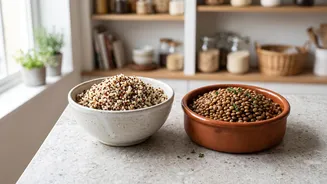
There is no single 'better' food between quinoa and lentils; the ideal choice depends on your personal health goals. If your primary focus is increasing iron and plant-based protein, lentils are an outstanding and budget-friendly option. Their high fiber content also promotes digestive health and stable blood sugar levels. If you're looking to boost your magnesium intake or need a versatile, glutenfree grain that provides a complete amino acid profile, quinoa is an excellent choice. Its slightly nutty flavor and fluffy texture make it a popular substitute for rice and other grains. Ultimately, both offer unique benefits and are fantastic additions to a wellrounded diet.