




The Gut Health Gold Rush
Walk into any high-end grocery store, and you'll find a rainbow of bottled beverages promising to transform your digestive health. From fizzy kombucha to creamy kefir, these drinks are at the forefront of a global wellness movement. The Indian market
is no exception, with projections showing the probiotic drink industry growing exponentially, expected to be worth over ₹6,200 million by 2034. This boom is driven by a surge in health consciousness, as more people connect a healthy gut microbiome to overall well-being, from better immunity to improved mental clarity. These modern drinks are marketed with sleek packaging and exotic flavours, positioning themselves as the pinnacle of functional nutrition. But before we crown these newcomers, it’s worth looking in our own kitchens.
India’s Original Probiotic Powerhouses
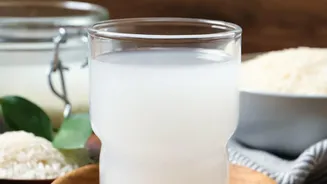
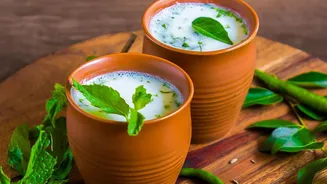
Long before 'probiotics' became a buzzword, Indian households had mastered the art of fermentation for both flavour and health. These traditional drinks are living libraries of microbial wisdom. Take Kanji, the vibrant, tangy drink made from fermenting black carrots and mustard seeds, a winter staple in the North that supports gut balance. Then there’s the humble Chaas, or buttermilk, a cooling post-meal digestive made from diluted curd, seasoned with cumin and ginger to soothe the stomach. Its thicker cousin, Lassi, is a beloved creamy yogurt-based drink. In the South and East, fermented rice water—known as Pazhaya Sadam or Panta Bhat—has been the morning fuel for farmers for centuries, packed with B-vitamins and beneficial bacteria. Even regional specialties like fresh palm sap (Neera) offer a cocktail of nutrients and, when fermented into Toddy, probiotics.
The Modern Contenders
The main challengers to these traditions are kombucha and kefir. Kombucha, a fermented tea made with a Symbiotic Culture of Bacteria and Yeast (SCOBY), offers a fizzy, tangy alternative to sugary sodas. It has gained a loyal following among urban, health-conscious consumers for its complex flavour and perceived health benefits. Kefir, a fermented milk drink made using 'grains' of bacteria and yeast, boasts an impressive diversity of up to 60 different microbial strains. Unlike traditional dahi, which contains a handful of bacterial types, kefir is often marketed as a more potent probiotic source. These drinks are often available in a variety of flavours and are backed by slick marketing that appeals to a globalised sense of wellness.
The Price of Wellness
Here is where the competition becomes starkly one-sided. Traditional Indian drinks are overwhelmingly more affordable. A glass of Chaas or Kanji made at home costs just a few rupees. Even a commercially sold packet of buttermilk is priced around ₹10. In sharp contrast, a single bottle of kombucha can set you back anywhere from ₹150 to ₹300. Commercial kefir is similarly priced. While DIY kits for kombucha and kefir can reduce the long-term cost, they still require an initial investment and effort that far exceeds stirring some curd and water for Chaas. For the vast majority of Indians, the accessibility and economic sense of traditional beverages are unbeatable.
A Battle of the Bacteria
While imported drinks like kefir may boast a higher number of different strains, it's not just about quantity. The probiotics in traditional ferments like Kanji and Chaas are naturally occurring, indigenous microbes like Lactobacillus, which are often well-suited to the Indian gut microbiome. These bacteria have evolved alongside the local diet and environment, which may enhance their ability to survive stomach acid and colonise the gut effectively. Conversely, many commercial drinks use imported bacterial cultures. The key difference lies in diversity versus adaptation. Imported drinks offer broad-spectrum diversity, while traditional Indian ferments provide targeted, locally-adapted microbial support that has been effective for generations.