







The New Battleground for Growth
For years, India's e-commerce story was written in its Tier 1 cities like Mumbai, Delhi, and Bengaluru. But with these markets reaching saturation, the next frontier for growth lies in the country's smaller Tier 2 and Tier 3 cities. These areas, home
to millions of new and aspiring online shoppers, represent a massive untapped market. Recent festive sales data confirms this trend, with platforms like Flipkart and Amazon reporting that a majority of their new customers and demand are originating from non-metro areas. To win over these customers, simply being online is no longer enough; companies must be able to deliver goods quickly and reliably.
From 'Fast' to 'Dependable' Delivery
Customer expectations have skyrocketed across India. The promise of express, same-day, or even 10-minute delivery, once a luxury reserved for big cities, is now a key competitive differentiator everywhere. While quick commerce platforms initially validated this model in dense urban clusters, the demand for timely service is universal. In Tier 3 markets, the value proposition shifts slightly from 'fast' as a convenience to 'dependable' as a necessity. Reliable logistics builds trust, encouraging repeat purchases from customers who were previously hesitant to shop online due to fears of long delays or lost packages.
Solving the Last-Mile Puzzle
Delivering in Tier 3 India presents unique challenges that metro-centric models can't solve. These include less developed road infrastructure, a lack of standardized addresses, and a higher preference for Cash on Delivery (COD). This is where investing in local logistics staffing becomes critical. A local delivery person possesses invaluable knowledge of the area, navigating unmarked lanes and using landmarks to find addresses where digital maps might fail. They are also better equipped to manage COD transactions and handle the nuanced, personal interactions that build customer confidence in emerging markets.
A Hyperlocal Hiring Boom
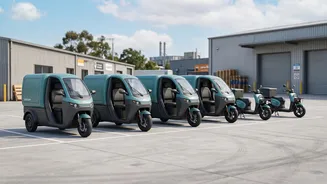
The investment is creating a significant number of blue-collar jobs in smaller towns. To meet demand, companies like Flipkart and Amazon are establishing hundreds of new delivery hubs and fulfilment centres in non-metro cities, creating tens of thousands of seasonal and full-time roles. This hiring spree isn't just for delivery executives. It includes a wide range of positions such as warehouse associates, sorting staff, operations managers, and customer service representatives needed to run this distributed network. This focus on building a local workforce helps companies reduce costs associated with high employee churn, which is often lower in smaller cities compared to hyper-competitive metros.
Technology as the Great Enabler
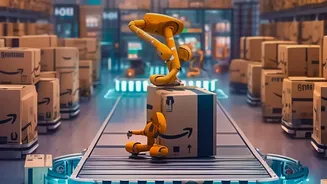
This decentralized staffing model is powered by a robust technological backbone. E-commerce firms are leveraging Artificial Intelligence (AI) to optimize delivery routes, manage hyperlocal inventory in 'dark stores' (small, local warehouses), and provide real-time tracking for customers. Technology helps overcome infrastructure gaps, with innovations like voice-based navigation in local languages and geo-fencing to pinpoint delivery locations. This blend of local human intelligence and sophisticated software allows for an efficient, scalable logistics network that can handle the complexities of serving thousands of distinct pin codes across the country.
The Ripple Effect on Local Economies
The impact of this investment extends far beyond faster deliveries. It creates a powerful economic ripple effect in Tier 3 regions. The establishment of warehouses and delivery hubs stimulates local real estate markets and creates demand for ancillary services. Furthermore, the creation of thousands of direct and indirect jobs boosts local income levels and purchasing power. This, in turn, fuels more consumption, creating a virtuous cycle of growth. By integrating smaller towns into the national digital supply chain, e-commerce platforms are not just expanding their business—they are becoming key drivers of economic development and formal employment outside of India's traditional economic centres.