



The Unpredictable Monsoon Factor
August is peak monsoon season for large parts of India. This means that railway networks, particularly in hilly regions and low-lying areas, are vulnerable to disruptions. Heavy rainfall can lead to waterlogging on tracks, landslides blocking routes,
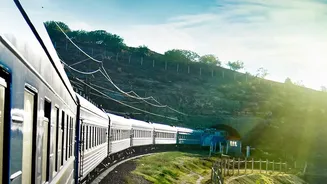
and soil erosion under the tracks, forcing authorities to cancel, divert, or delay trains for safety. Even with extensive pre-monsoon preparations like cleaning drains and reinforcing embankments, extreme weather can overwhelm the system. Regions like the Konkan Railway are famous for their scenic monsoon journeys but are also prone to such disruptions, sometimes leading to special monsoon timetables with adjusted speeds and schedules. For passengers, this translates to potential last-minute changes and significant delays that a static timetable won't reflect.
Embrace Real-Time Tracking Apps
Your most powerful tool is a smartphone with the right apps. The official Indian Railways app, the National Train Enquiry System (NTES), provides live train running status, cancellation information, and platform numbers. Other popular and reliable third-party apps can also offer real-time location tracking, sometimes even when your phone has poor connectivity, by using your phone's GPS. These apps are crucial for knowing exactly where your train is, if it's been delayed, and its expected arrival time. This information allows you to adjust your plans accordingly, avoiding long, uncertain waits at the station. Always verify the status of your train before leaving home.
Navigating the Festive Rush
August 2026 is packed with major festivals that significantly increase passenger traffic. Raksha Bandhan falls on August 28, and Onam celebrations will be in full swing, culminating on August 26. These festivals, along with others like Hariyali Teej and Nag Panchami, see a mass movement of people travelling to their hometowns. This leads to heavily booked trains and crowded stations, compounding any weather-related issues. Booking tickets well in advance is essential. If you have a waitlisted ticket, keep a close eye on your PNR status, as the festival rush means confirmation chances can be unpredictable. Railways often announce special trains to manage the surge, so check for these services on your route.
Pack for Delays and Discomfort
Given the possibility of delays, smart packing is non-negotiable. Assume your journey might take longer than scheduled. Pack extra food and an ample supply of drinking water. Avoid buying food from unverified vendors at stations, especially cut fruits, as hygiene can be a concern during the monsoon. A fully charged power bank is essential to keep your phone running for tracking and communication. Waterproofing is key; use waterproof bags or rain covers for your luggage and keep electronics and important documents in separate plastic pouches. Also, pack a light raincoat or umbrella, as you may have to navigate rain-soaked platforms.
Prioritise Your Health and Safety
Monsoon travel comes with increased health risks due to waterborne and vector-borne diseases. Crowded trains can be breeding grounds for infections. Carry a basic medical kit with any personal medications, along with remedies for common ailments like colds and upset stomachs. A hand sanitiser is a must. During the journey, be mindful of slipping on wet floors at stations and onboard the train. It's also wise to wear clothing that you don't mind getting dirty, as mud and slush are unavoidable. Keeping insect repellent handy can also protect you from mosquitoes and other bugs that are more prevalent during this season.