


The Building Blocks of Protein
Let's start with the basics. Proteins are essential macronutrients vital for nearly every function in your body, from building and repairing tissues to making enzymes and hormones. Proteins themselves are made of smaller units called amino acids. Our
bodies need 20 different amino acids to function correctly. While our bodies can produce 11 of these on their own (the non-essential amino acids), there are nine that we must get from the food we eat. These are called the 'essential amino acids' because it is essential that we consume them through our diet.
Decoding 'Complete' vs. 'Incomplete' Proteins
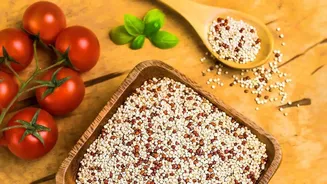
You may have heard the terms 'complete' and 'incomplete' proteins. A food source is considered a complete protein when it contains all nine essential amino acids in adequate amounts. Animal-based foods like meat, fish, eggs, and dairy are classic examples of complete proteins. Some plant foods, such as quinoa and soy products like tofu and edamame, are also complete proteins. An incomplete protein, on the other hand, is a food that contains some, but not all, of the nine essential amino acids, or has very low levels of one or more of them. Most plant foods, including grains, nuts, seeds, and pulses, fall into this category on their own.
The Grain Story: A Missing Piece
Grains like rice and wheat are staples for a majority of the world's population and are a good source of many nutrients, including protein. However, as a protein source, they have a limitation. Cereal grains are typically low in one specific essential amino acid: lysine. This is what makes them an 'incomplete' protein source when eaten alone. While they are rich in other essential amino acids, particularly the sulfur-containing ones like methionine and cysteine, the low level of lysine is their limiting factor.
The Pulse Solution: A Perfect Partner
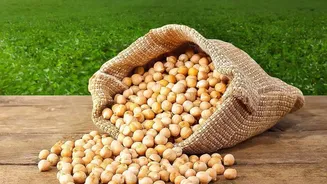
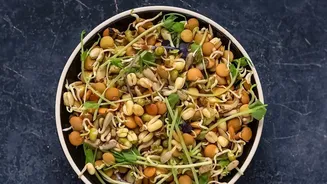
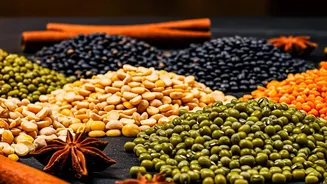
This is where pulses—the food group that includes lentils (dal), chickpeas, beans, and peas—come in. Pulses are nutritional powerhouses, containing roughly double the protein of most cereal grains. Their amino acid profile is the mirror opposite of grains. Pulses are an excellent source of the lysine that grains lack. However, they are typically low in the sulfur-containing amino acid methionine, which grains have in abundance. This complementary relationship is the key to unlocking their full potential.
The Synergy: Better Together
The magic happens when you combine these two food groups. When you eat grains and pulses together, their individual weaknesses are cancelled out. The abundant lysine in the pulses makes up for the deficit in the grains, and the ample methionine in the grains compensates for what's low in the pulses. The result is a meal that provides your body with all nine essential amino acids in sufficient quantities, effectively creating a complete protein. This principle, known as protein complementation, is the science behind many traditional meals enjoyed across India and the world for centuries.
Classic Combos on Your Plate
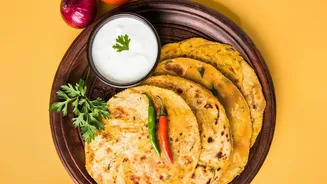
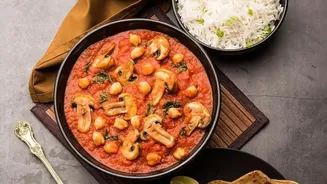
The good news is that you are likely already practicing this principle without even realising it. Many beloved Indian dishes are perfect examples of protein synergy. The classic dal and rice (lentils and grains) is a perfect complete protein meal. The same goes for rajma with rice or roti (kidney beans and grains), hummus with pita bread (chickpeas and wheat), and even South Indian staples like idli or dosa (fermented rice and lentils) served with sambar (lentil stew). The old belief that you must eat these complementary foods in the very same meal has also been updated. Research now shows that as long as you eat a variety of plant foods throughout the day, your body can pool the amino acids to get what it needs.