




Assess Your Balcony Plants for the Move
Not all balcony plants need to come indoors. Hardy perennials and shrubs can often withstand cooler temperatures. However, tropical and tender plants that spent the summer outside must be brought in. As a general rule, start planning the move when consistent
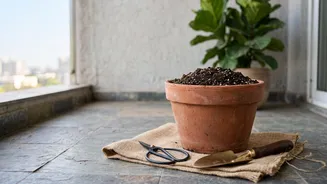
nighttime temperatures begin to dip below 10°C. Any plants you want to save from the frost, like geraniums or begonias, should be prioritised. Take a moment to assess each plant's condition. It is a good time to refresh the soil in your containers and remove any dead or diseased foliage from your summer arrangements. This initial audit will help you decide which plants get a coveted indoor spot for the winter.
Debug and Clean Before Bringing Them Inside
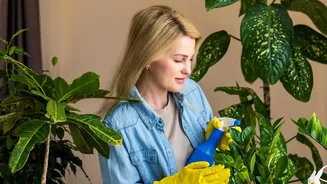
Your balcony plants have been living in the great outdoors, which means they've likely picked up a few unwanted guests. Bringing pests like spider mites, aphids, or mealybugs inside can lead to a full-blown infestation that spreads to your existing houseplants. Before any plant crosses your threshold, give it a thorough cleaning. A strong spray from a hose can dislodge many insects. For a more robust approach, spray the leaves and stems with an insecticidal soap, making sure to cover the undersides of leaves where pests often hide. Some gardeners even submerge the entire pot in a bucket of water for several minutes until air bubbles stop rising; this helps flush out any pests living in the soil. Allow the plants to dry completely before moving them indoors.
Acclimatise to Avoid Shock
Moving a plant directly from the bright, airy conditions of a balcony to a centrally heated home can cause shock, leading to yellowing leaves and wilting. To prevent this, acclimatise them gradually. Start by moving the plants to a shady spot on your balcony for a week or two to help them adjust to lower light levels. Then, begin bringing them indoors for a few hours at a time, slowly increasing their indoor duration over the course of a week. This gentle transition helps them adapt to the significant changes in light, temperature, and humidity.
Find the Right Indoor Spot
Once inside, placement is key. Most plants that enjoyed the summer sun will need the brightest spot you can offer, typically near a south-facing window. Plants that prefer partial sun may do well near an east or west-facing window. Keep them away from cold drafts from windows or doors, as well as direct blasts from heat vents, which can stress the plant. If your home lacks sufficient natural light, consider investing in a grow light to supplement. Also, remember that indoor air can be very dry, especially when the heating is on. Grouping plants together or using a humidifier can help create a more humid micro-environment that tropical plants will appreciate.
Adjust Your Watering and Feeding Schedule
As light levels decrease in autumn, most plants slow their growth and enter a period of rest or dormancy. This means they use less water and nutrients. Overwatering is one of the biggest risks during this time and can lead to root rot. Instead of watering on a strict schedule, check the soil. A good method is to stick your finger about two inches deep; if the soil feels dry, it's time to water. Always empty the saucer under the pot to ensure the plant isn't sitting in water. Similarly, you should stop fertilizing. Most experts recommend giving plants their last feed in September and holding off again until spring when new growth appears. Fertilizing a dormant plant can harm it by causing a build-up of unused nutrients in the soil.
Care for Your Existing Indoor Plants
Your plants that have been indoors all year also notice the seasonal change. Give them a quick tune-up for autumn. Wipe down their leaves with a damp cloth to remove any dust, which can block light and hinder photosynthesis. This is also a good time to check their position. That spot that was perfect in the summer might now be too dark, so consider moving them closer to a window to maximize the available daylight. Just as with the plants coming in from the balcony, be mindful of drafts and heat sources. Inspect them for any signs of pests and continue to water based on the soil's moisture level, not the calendar.