



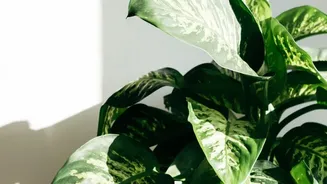
Choose Your Plants Wisely
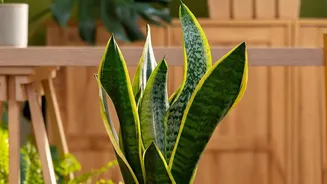
The single most important hack for a thriving bedroom garden is starting with the right plants. Not all plants are created equal, and choosing varieties that are forgiving and suited to indoor conditions is half the battle. For Indian homes, low-maintenance
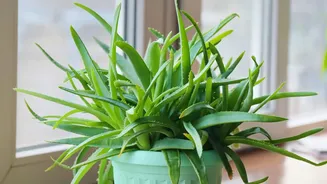
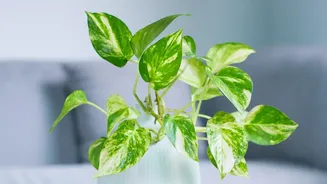
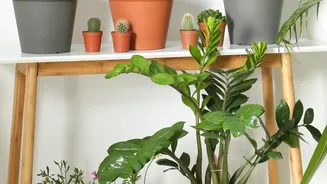
powerhouses like the Snake Plant, ZZ Plant, and Pothos (Money Plant) are excellent choices. These plants are famously tough, tolerate lower light levels, and can handle occasional forgotten waterings. The Snake Plant is a popular bedroom choice because it releases oxygen at night, and its upright growth saves space. Pothos offers beautiful trailing vines, while the ZZ Plant thrives on neglect, making them perfect for busy people or beginners.
Master the Art of Watering
Overwatering is the most common reason indoor plants fail. Instead of watering on a fixed schedule, get into the habit of checking the soil first. A simple trick is to stick your finger about an inch into the soil; if it feels dry, it's time to water. Most common houseplants prefer their soil to dry out slightly between waterings. When you do water, do it thoroughly until water drains from the bottom of the pot, but be sure to empty any excess water from the saucer. Letting a plant sit in water can lead to root rot. For a clever, low-effort hack, try bottom watering: place your pot in a sink or tray with a few inches of water and let the soil soak up moisture from below for about 15-20 minutes.
Understand Your Bedroom's Light
A common mistake is placing plants in the wrong lighting conditions. Before you buy a plant, observe your bedroom throughout the day to understand its natural light. Does it get bright, indirect light from a window, or is it mostly in shade? Most popular indoor plants, like the Peace Lily and Spider Plant, thrive in bright, indirect sunlight but can adapt to lower light levels. Rotate your plants every week or so to ensure all sides get some light exposure, preventing them from leaning in one direction. If your room is particularly dark, consider a ZZ Plant or Snake Plant, which are well-known for their ability to survive in low-light environments.
Boost Humidity Simply
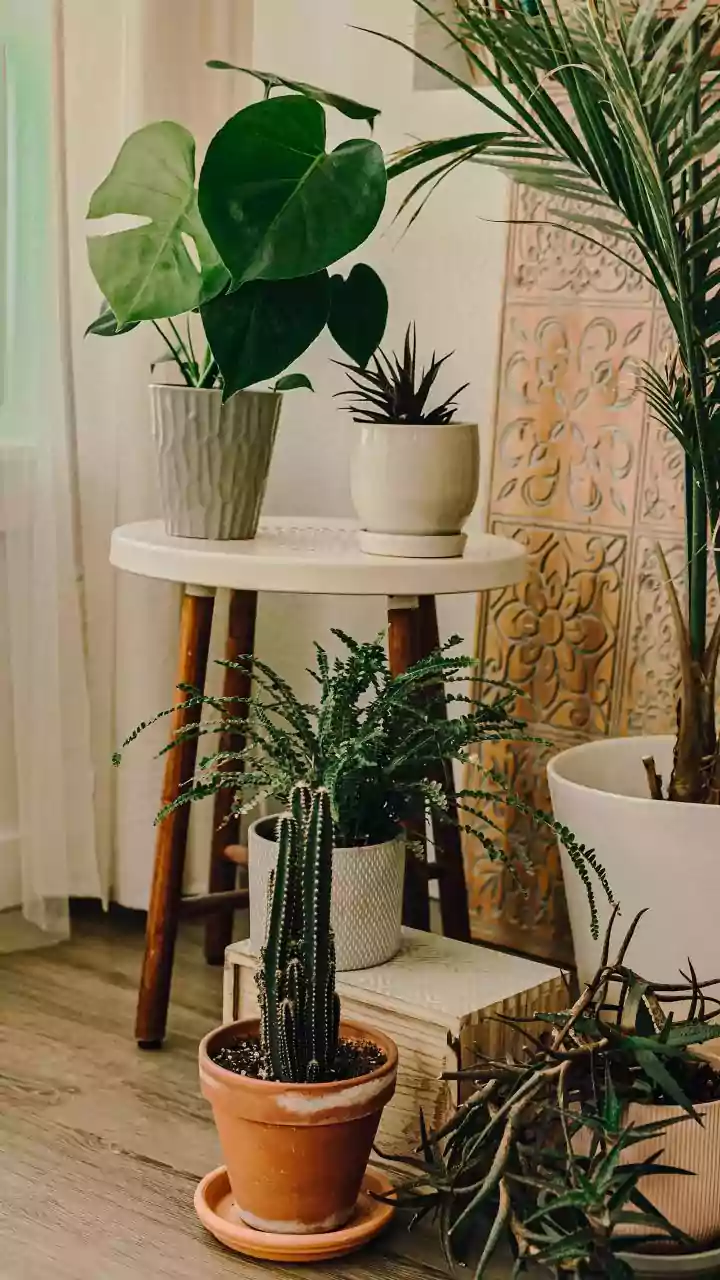
Many popular houseplants are tropical in origin and appreciate more humidity than the average air-conditioned or heated Indian home provides. If you notice brown, crispy leaf edges, low humidity is a likely culprit. An easy hack is to group your plants together. As plants release moisture through their leaves (a process called transpiration), they create a more humid microclimate for each other. Another simple and decorative trick is the pebble tray. Place your pot on a tray filled with pebbles and a little water. The water will evaporate, increasing the moisture in the air directly around the plant without its roots sitting in water.
Pay Attention to Pots and Soil
The right container can make a huge difference. Always choose a pot with drainage holes at the bottom. This is critical for preventing water from pooling at the base, which suffocates roots and causes rot. If you fall in love with a decorative pot that has no holes, you can use it as a 'cachepot'. Simply keep your plant in its plastic nursery pot and place it inside the decorative one, removing it to water. For soil, using a quality potting mix designed for indoor plants is sufficient for most common varieties. You can also refresh the top layer of soil every few months to provide fresh nutrients without the stress of a full repot.
Keep an Eye Out for Pests
Even indoor plants can get pests like spider mites or mealybugs. The easiest hack for pest control is prevention. Make it a habit to gently wipe your plant's leaves with a damp cloth every few weeks. This not only keeps them looking glossy and dust-free, allowing them to absorb more light, but it also helps you spot and remove any early signs of pests before they become a bigger problem. If you do spot pests, you can often treat them by wiping them off with a cotton swab dipped in rubbing alcohol or by using a simple insecticidal soap or neem oil spray.