




A Familiar Script of Failure
The stage was set at the Rajiv Gandhi International Stadium for India to seal the five-match series. Captain Shreyas Iyer won the toss and, following the modern T20 trend, opted to bowl first, putting faith in his bowlers to restrict a powerful West Indies
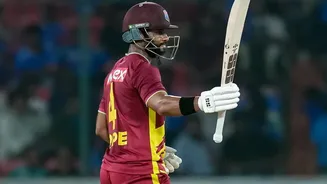
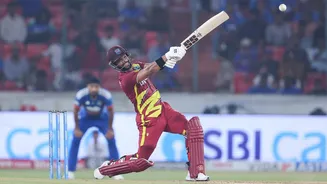
batting lineup on a surface known to favour batters. What followed was a brutal onslaught. West Indies amassed a staggering 247 for 3, led by a masterful unbeaten century from their captain, Shai Hope, who scored 102 off just 50 balls. For Indian fans, the innings was a painful watch, not just for the runs being leaked, but for the sinking feeling that they had seen this movie before. A young bowling unit, tasked with a high-pressure job, simply wilted.
The Powerplay and The Panic
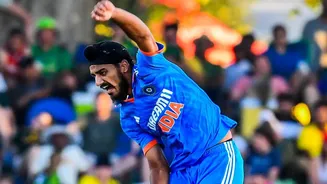
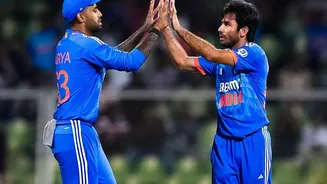
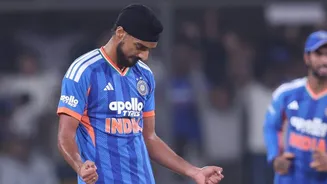
The problems started early. The new ball bowlers, including the highly-rated Mayank Yadav and Arshdeep Singh, struggled to find their rhythm. Instead of swinging the new ball and picking up early wickets to put the visitors on the back foot, they were erratic. The line was inconsistent, the lengths were predictable, and the West Indian openers seized the advantage. The Powerplay, a phase meant for containment and breakthroughs, became a launchpad for the opposition. By the end of the first six overs, West Indies were flying, and the pressure had firmly shifted onto the young shoulders of the Indian bowlers. The fielders' shoulders began to drop, and a sense of panic seemed to set in, a dangerous sign so early in the innings.
Spinners Neutralised, Middle Overs Ineffective
India often relies on its spinners to control the middle overs, squeezing the run rate and chipping away with crucial wickets. On this night, however, that control was nowhere to be found. Axar Patel, usually a reliable operator, was taken for 45 runs in his spell. With the pacers having conceded a dominant start to the tourists, the spinners were left with an almost impossible task. They were forced to bowl defensively to aggressive, well-set batters. Shai Hope, in particular, was merciless, using his reach and power to hit through the line, never allowing the spinners to settle into a rhythm. The inability to stem the flow of runs in this crucial phase meant the death bowlers were left with a mountain to climb and very little momentum to work with.
The Inevitable Death-Bowling Collapse
If the Powerplay was poor and the middle overs were ineffective, the death overs were a full-blown catastrophe. This has become a recurring nightmare for Indian cricket: an inability to close out an innings. Bowlers missed their yorkers by feet, serving up juicy full tosses and slot balls that the likes of Sherfane Rutherford gleefully dispatched into the stands. The plan, if there was one, seemed to disintegrate under the relentless assault. It wasn't just a lack of execution; it was a visible lack of composure. The bowlers seemed to be hoping for a mishit rather than bowling to a specific plan. In total, the Indian bowlers conceded an astronomical 18 extras, a gift in a game that was ultimately decided by just 24 runs.
Systemic Flaw or a One-Off Bad Day?
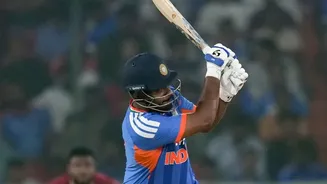
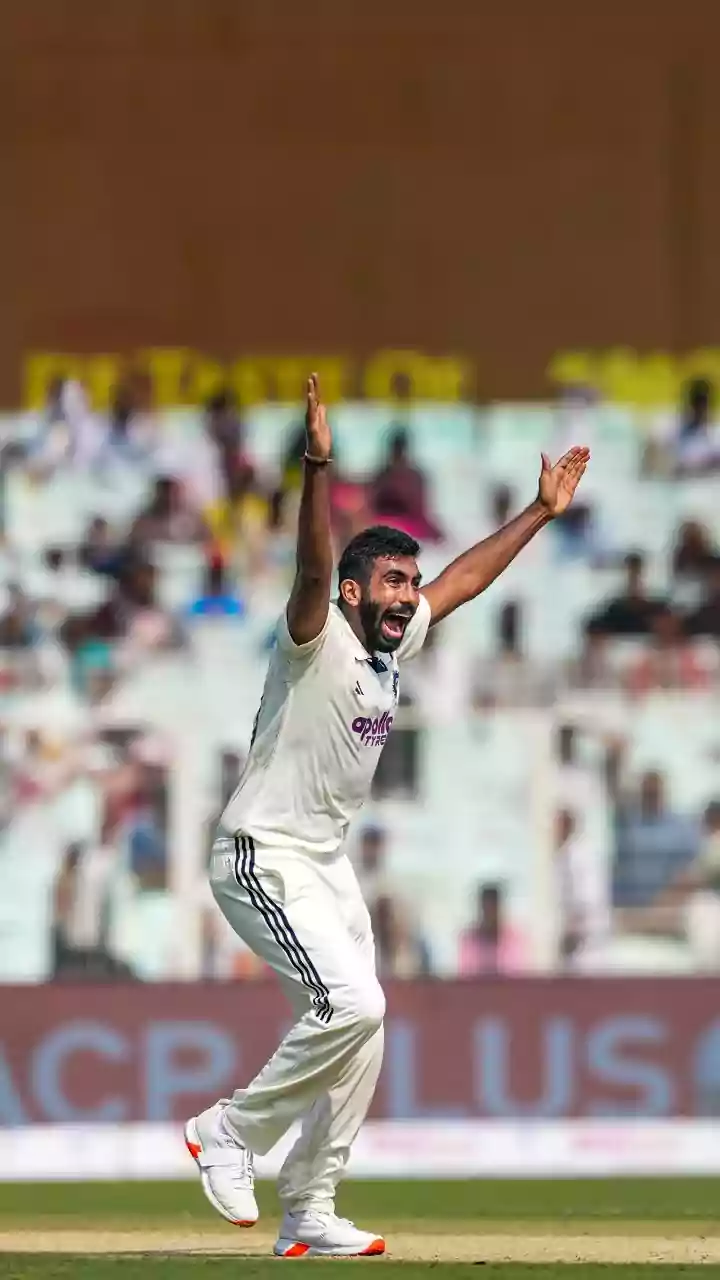
While it's easy to blame the individual bowlers, the loss points to a deeper, more systemic issue. The headline's charge of being 'exposed again' feels apt. Time and again, especially in the absence of senior figures like Jasprit Bumrah, India's bowling depth has been found wanting in high-pressure T20 encounters. Is it a failure of the domestic and IPL systems to produce pressure-ready bowlers? Or is it a strategic failure at the team management level? The decision to consistently bowl first on flat tracks puts immense pressure on the bowling group. While India's batting lineup managed a respectable 223 in the chase, the game was lost in the first innings. This wasn't just a bad day at the office; it was a reflection of a persistent vulnerability that needs urgent attention.