






What is Sumac?
Sumac is a coarse, deep-red powder made from the dried and ground berries of the wild sumac shrub, which is native to the Middle East and parts of the Mediterranean. For centuries, it has been a staple in the region's cuisine, prized for its ability to add
acidity and colour without being spicy hot. Unlike warming spices like cumin or garam masala, sumac's role is to provide a clean, tangy lift, much like a squeeze of lemon. The name itself comes from the Arabic word 'summaq', meaning dark red, a nod to its beautiful, rich hue. Think of it not as an exotic or complicated ingredient, but as a simple souring agent waiting to find a home in your masala dabba.
A Familiar Tart Flavour
The main reason sumac is so easy to adopt in an Indian kitchen is its taste. Its dominant flavour is a bright, fruity tartness that is often compared to lemon. However, the acidity is softer and more rounded than fresh citrus. Because it's a dry powder, it delivers this sour note without adding any liquid, making it incredibly versatile. This characteristic makes it a fantastic substitute for amchur (dry mango powder), especially in dry rubs or vegetable preparations where you want to avoid extra moisture. While amchur has a unique fruity depth, sumac provides a similar dry, lemony tartness that works beautifully in many Indian contexts.
The Easiest Ways to Start
Getting comfortable with sumac is all about starting simple. The easiest way to use it is as a finishing spice, sprinkled over a dish just before serving to keep its flavour bright and vibrant. Try dusting it over roasted vegetables like cauliflower, potatoes, or carrots as they come out of the oven. It adds an instant pop of both colour and flavour. Another great entry point is to sprinkle it over dips and yogurts. A simple raita or even plain dahi gets an immediate lift with a pinch of sumac. It's also excellent on salads; a simple kachumber of chopped tomatoes, onions, and cucumber tossed with olive oil, salt, and sumac is a revelation.
Elevating Everyday Sabzis
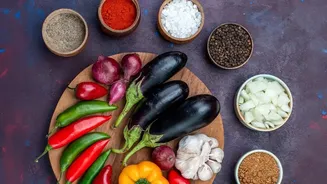
Once you're familiar with its taste, you can start incorporating sumac directly into your daily cooking. Use it in place of amchur or lemon juice in marinades for paneer tikka or grilled vegetables. It's excellent in a bhindi masala or a simple aloo gobi, where its dry acidity can cut through the richness of the other ingredients without making the dish soggy. Toss it with sliced onions for a quick, tangy salad to serve alongside dal and roti. It pairs exceptionally well with vegetables like eggplant, bell peppers, and zucchini. Simply add about a teaspoon of sumac along with your other powdered spices and taste as you go.
Beyond a Simple Sprinkle
Ready to go further? Sumac is a key ingredient in za'atar, a popular Middle Eastern spice blend that also includes toasted sesame seeds and thyme. You can make your own or find it pre-mixed. Another great technique is to create a sumac-infused oil. Gently warm a few tablespoons of olive oil with a teaspoon of sumac, some crushed garlic, and a pinch of chilli flakes, then drizzle it over steamed or roasted vegetables. You can also whisk it into vinaigrettes for salads. A simple dressing of olive oil, sumac, and a little salt provides a bright, zesty coating for almost any green salad.
How to Buy and Store Sumac
When buying sumac, look for a product that has a vibrant, deep reddish-purple colour. Avoid powders that look brownish or dull, as this is a sign of age. Ideally, the ingredient list should be just 'sumac', as some brands add salt as a filler and anti-caking agent. To keep it fresh, store your sumac in an airtight container in a cool, dark place like your spice cabinet, away from heat and direct sunlight. While it won't spoil, it can lose its potency over time. For the best flavour, it's recommended to use it within a year of purchase.