







The Daily Pushback From Our Environment
For millions of urban Indians, the simple act of going for a walk or a run is a daily negotiation. It involves navigating broken or non-existent footpaths, dodging traffic, and breathing in polluted air. This constant friction makes sticking to a health
routine incredibly difficult. It’s not just about a lack of motivation; it’s about the environment actively discouraging physical activity. When our surroundings are unsafe or unpleasant, the mental energy required to simply get out the door becomes a significant barrier, making the couch a much easier choice. Studies show that rapid, unplanned urban growth in India has led to a greater dependence on vehicles and diminishing open spaces for leisure and walking.
What 'Walkability' Really Means
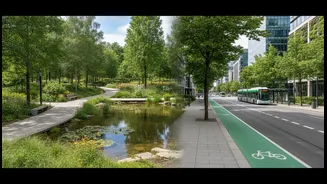
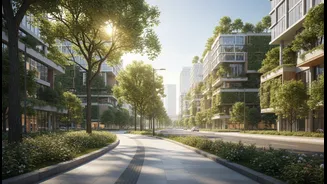
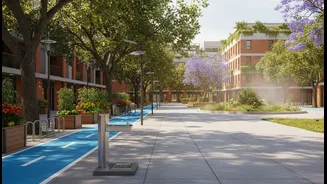
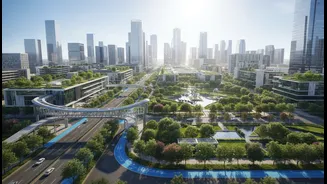
Walkability is more than just having a footpath. It’s about how friendly and welcoming a neighbourhood is to pedestrians. This includes well-maintained, continuous sidewalks, safe street crossings, and a mix of destinations like shops and parks within a reasonable walking distance. Research indicates that people living in highly walkable neighbourhoods are more likely to be physically active, often without even thinking of it as 'exercise'. In the Indian context, factors like shade from trees to provide comfort from the heat, adequate lighting, and safety from crime are crucial components that determine if a space is truly walkable. Initiatives in cities like Pune and Bengaluru to improve walkability and cycling infrastructure are early steps in recognising this connection.
Safety: The Non-Negotiable Foundation
For a public space to be useful, it must first feel safe. This is a critical factor, especially for women, children, and the elderly. Concerns about traffic safety and crime are among the most common reasons people, particularly women, are deterred from being active outdoors. Poorly lit parks, streets that lack a sense of community watch, and high-speed traffic force pedestrians off the roads and keep them indoors. Without a baseline of safety, even the most well-designed park or walking trail will remain underutilised. Building safe public spaces is not an optional extra; it is the fundamental first step to enabling healthier community lifestyles.
Green Spaces for a Calmer Mind
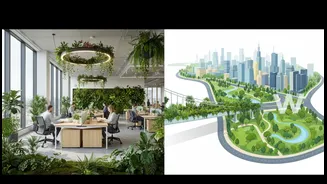
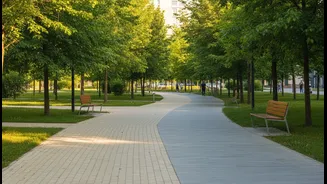
The benefits of open spaces extend far beyond physical fitness. Access to parks, gardens, and other green areas has a direct and positive impact on mental health. Numerous studies have shown that spending time in nature can reduce stress, anxiety, and feelings of depression. In the crowded, high-stress environments of many Indian cities, these green lungs offer a vital escape. They provide a space for relaxation, social connection, and play, all of which contribute to our overall well-being. The simple act of sitting under a tree or walking in a garden can have a powerful calming effect, helping to counteract the mental toll of a 'claustrophobic' urban life.
Beyond Willpower: A Systemic Issue
For too long, the conversation around health has focused solely on individual responsibility. However, evidence makes it clear that our environment plays a massive role. The rise in non-communicable diseases like diabetes and heart disease in urban India is closely linked to sedentary lifestyles encouraged by our cities. When cities are designed for cars instead of people, physical inactivity becomes the default. Experts argue that to tackle this public health crisis, the focus must shift from blaming individuals to redesigning the urban ecosystem. Creating cities that promote 'active design'—where movement is a natural part of daily life—is a powerful, cost-effective public health intervention.