





Festive seasons bring joy, light, and beautiful decorations. But behind the sparkle often lies a growing problem of waste. Shifting back to traditional, reusable decor is not just a nod to heritage—it's a powerful way to celebrate more sustainably.
The Hidden Cost of Convenience
During
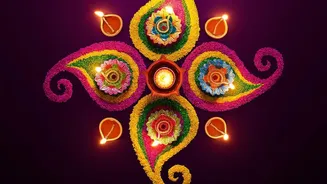
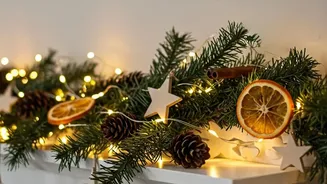
celebrations like Diwali, homes are adorned with lights and decorations, but the aftermath often tells a different story. Major festivals contribute significantly to urban waste, with single-use decorations playing a large part. Items made from plastic, thermocol, and synthetic materials are designed to be cheap and disposable, but their environmental cost is high. These materials do not biodegrade, clogging landfills and waterways for decades. Glitter and shiny plastic decor also shed microplastics, tiny particles that contaminate soil and water, posing a risk to both wildlife and human health. The convenience of mass-produced decor comes at the expense of our environment, creating a cycle of consumption and disposal that our planet cannot sustain.
A Return to Mindful Traditions
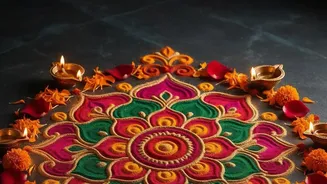
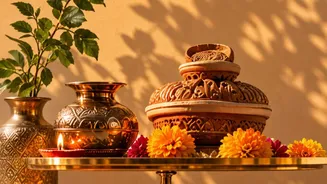
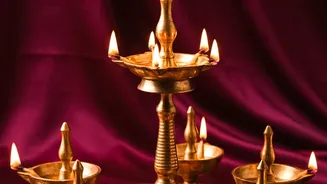
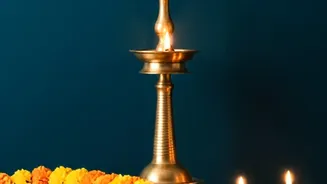
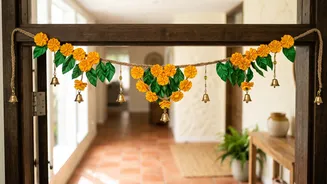
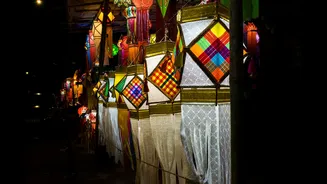
The alternative to this waste can be found in our own traditions. For centuries, Indian homes have been decorated with handmade items crafted from natural and locally sourced materials. Traditional lanterns, known as 'kandeels', were historically made using bamboo sticks, colored papers, and natural glue. Wall hangings, or 'torans', were created from flowers, leaves, and fabric, meant to welcome guests and positive energy. These decorations were not just beautiful; they were inherently sustainable. Made from materials like clay, wood, brass, copper, and cotton, they were designed to be cherished and reused, season after season. Opting for these items today is a conscious choice to embrace a more mindful and less wasteful way of celebrating.
The Lasting Beauty of Craftsmanship
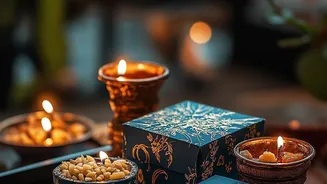
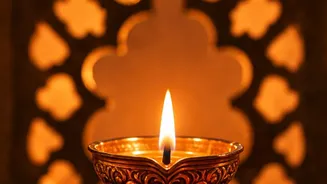
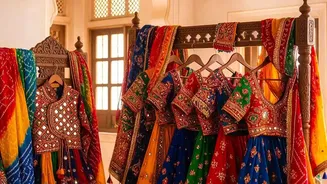
Handmade decorations offer a level of quality and artistry that mass-produced items cannot match. Each piece, whether a terracotta diya, a wooden wall hanging, or a brass lantern, tells a story of skill passed down through generations. Artisans dedicate immense precision and care to their work, ensuring every detail is perfect. This meticulous craftsmanship results in durable, high-quality products that are built to last, unlike their flimsy plastic counterparts. When you choose a handmade item, you are not just buying a decoration; you are acquiring a piece of art that carries cultural heritage and the artisan's personal touch. These items bring a unique warmth and authenticity to a home that cannot be replicated by a factory.
Supporting Local Economies and Artisans
Choosing handmade decorations has a powerful ripple effect that extends beyond your home. It provides a stable source of income for India's vast community of rural and tribal artisans, which includes a significant number of women. For many of these artisans, craft is a primary livelihood that supports their families and communities. Purchasing their work helps preserve endangered crafts, promotes self-sufficiency in remote areas, and can even reduce the migration of labour to overcrowded urban centers. It empowers artisans, particularly women, by giving them financial independence and a stronger voice in their communities. This conscious consumerism fosters a sustainable ecosystem where cultural heritage and economic empowerment go hand in hand.
Making Your Decorations Last
The key to sustainability is reusability, which requires proper care and storage. After the festivities, take a moment to clean your decorations before packing them away. Use a dry microfiber cloth for materials like glass, metal, or painted wood. Fabric items like torans can be cleaned with a lint roller. Store fragile ornaments individually, wrapping them in soft cloth or tissue paper and placing them in boxes with dividers to prevent breakage. Keep decorations in a cool, dry place, away from direct sunlight or dampness, to prevent fading and damage. By caring for these items, you ensure they remain beautiful for many celebrations to come, making them true heirlooms rather than temporary frills.