


The Danger Zone of a Sunny Window
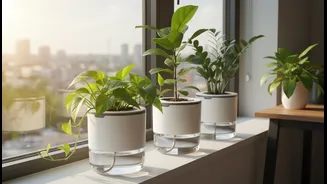
While plants need light for photosynthesis, a spot right against a windowpane, especially a south- or west-facing one, can be treacherous in the summer. The glass can act like a magnifying lens, concentrating the sun's rays and creating a pocket of intense
heat. Temperatures right next to the glass can become significantly higher than the ambient room temperature. This intense radiant heat forces the plant to work overtime to cool itself through a process called transpiration, where it releases water vapor from its leaves. This is the plant equivalent of sweating. When heat is excessive, the rate of water loss through the leaves can exceed the roots' ability to absorb water from the soil, leading to rapid dehydration even if the soil is moist.
How to Spot Heat Stress
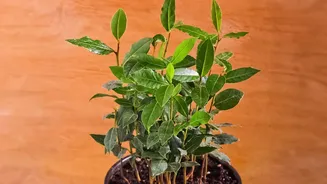
Your plants will give you clear signals if they are suffering from heat stress near a window. The most common signs are leaves that look wilted or droopy during the hottest part of the day, even with proper watering. You might also notice the edges of the leaves turning brown, dry, and crispy. In more severe cases of 'sun scorch', you may see white, yellow, or tan patches appear on the parts of the leaves facing the sun; this is permanent tissue damage. Some plants might also curl or fold their leaves in an attempt to reduce their exposure to the intense light. Recognizing these early warnings allows you to intervene before lasting damage occurs.
The Simple Fix: A Strategic Retreat
The most straightforward solution is simply to move the plant. But how far is far enough? Even pulling a plant back by a few centimetres can make a significant difference by taking it out of the zone of most intense radiant heat. For most tropical houseplants placed in a very sunny south-facing window, a good rule of thumb is to move them about a metre or so back. For east- or west-facing windows, which get less intense sun, a smaller adjustment may be all that's needed. The goal is to provide bright, indirect light without the punishing heat that comes from direct contact with hot glass. Remember that light intensity drops off quickly, so a small move can have a big impact on both heat exposure and light levels.
When Moving Isn't an Option
What if you have limited space and that sunny spot is your only option? Thankfully, there are other effective strategies. One of the easiest is to hang a sheer curtain. This diffuses the direct sun, lowering the light intensity and reducing heat without plunging your plant into darkness. Another option is to apply a transparent UV-filtering or Low-E film to the window, which can block a significant amount of heat-causing infrared and UV rays without dramatically reducing visible light. You can also group plants together; this raises the local humidity as they all transpire, creating a more favorable microclimate. Placing plants on a tray filled with pebbles and water can also increase humidity as the water evaporates.
Know Your Plants' Needs
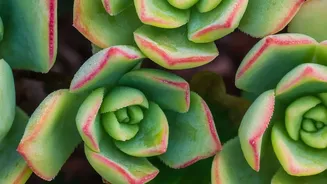
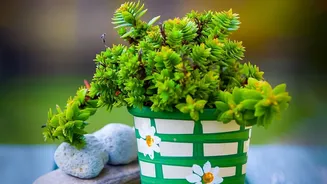
Not all plants are equally susceptible to heat stress. Sun-loving succulents and cacti are generally more tolerant of high heat and bright light than many common tropical houseplants. However, even these desert dwellers can get scorched if suddenly moved into intense sun or placed against scorching hot glass. Plants with delicate, thin leaves like ferns, calatheas, and some begonias are particularly vulnerable and will show signs of stress quickly. Pay close attention to your most sensitive plants during hot spells. Understanding the specific needs of each plant in your collection will help you decide which ones need priority placement away from the glass and which ones can handle a bit more sun.