

Know September's Celestial Highlights
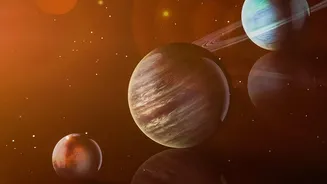
Before you pick a spot, know what you’re looking for. September 2026 is a fantastic month for skywatchers in India. The early part of the month features a parade of planets, as the Moon makes close approaches to Mars, Jupiter, Mercury, and Venus between
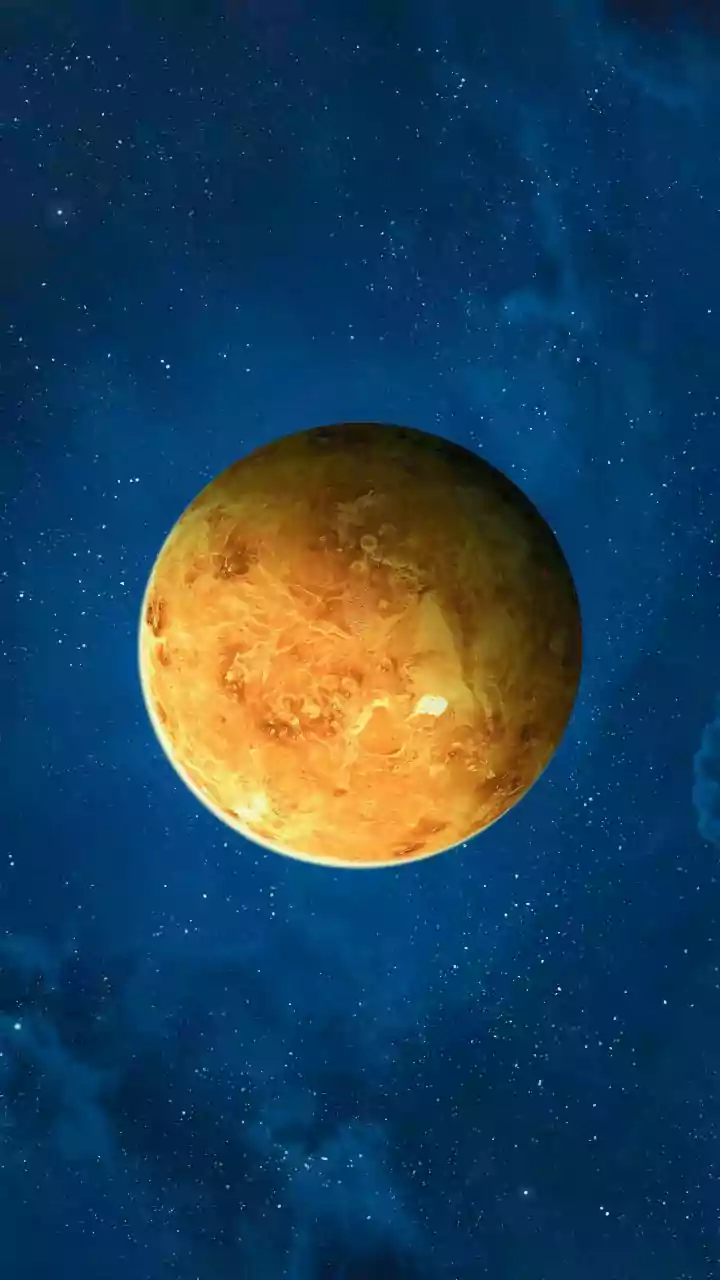
September 8 and 14. Venus will be unmissable, reaching its peak brightness on September 22, making it a dazzling 'Evening Star'. The month also brings the Autumnal Equinox on September 23, which means longer nights are on the way for even more stargazing opportunities. The grand finale is a double feature on September 26: Neptune is at opposition, its closest point to Earth, and it's also the night of the Full Harvest Moon. While the bright moon will wash out fainter stars, its early evening rise is a spectacle in itself.
Escape the City Lights
The single most important factor for good stargazing is getting away from light pollution. City lights create a bright haze that obscures all but the brightest celestial objects. For the best views, you need to find a truly dark sky. This often means travelling at least an hour or two away from major urban centres. Look for locations like national parks, wildlife sanctuaries, or remote hill stations. Places like Hanle in Ladakh, parts of the Spiti Valley, the Rann of Kutch, and remote areas in Coorg are renowned for their dark skies. Even a quiet village or a spot by a reservoir far from streetlights can make a huge difference. The goal is to find a location with a wide, unobstructed view of the horizon, away from direct sources of light.
Use Technology to Your Advantage
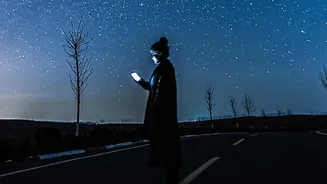
You don't have to guess where the dark spots are. Online tools like Light Pollution Maps can show you the darkest skies near your location. These maps use colour-coded zones to indicate the severity of light pollution, helping you pinpoint the best areas for stargazing. Once you have a location, astronomy apps are your best friend. Apps like Stellarium Mobile, SkyView Lite, and Star Walk 2 can help you identify planets, stars, and constellations in real-time simply by pointing your phone at the sky. Many of these apps also have features that show you the best viewing times for specific events and can help you plan your night.
Scout Your Spot in Daylight
Once you've identified a potential viewing area on a map, it's wise to visit it during the day. This allows you to check for safety and accessibility. Make sure the location is on public land or that you have permission to be there after dark. Check for a flat, stable surface to set up, especially if you're bringing a telescope or tripod. Take note of any potential hazards like uneven ground, water bodies, or wildlife. A daytime visit ensures you can navigate the area safely and confidently when you return at night, letting you focus on the sky instead of worrying about your surroundings.
Pack the Right Gear
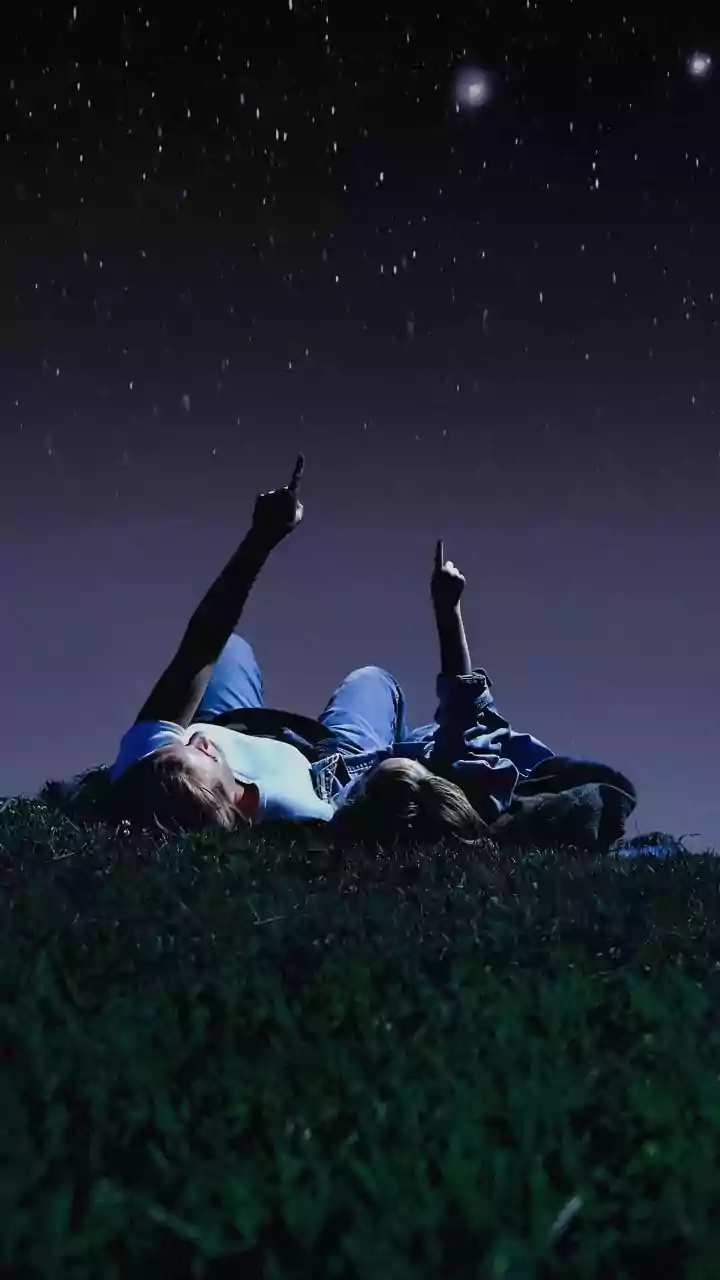
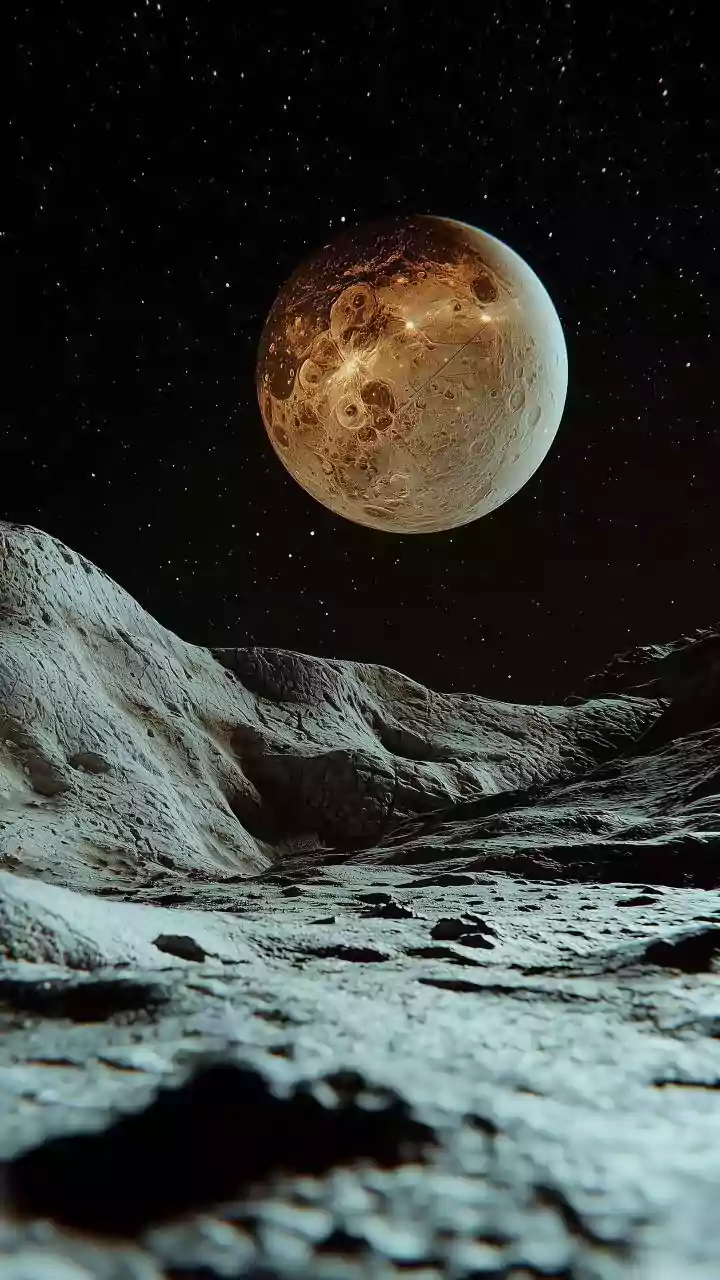
You don’t need a professional telescope to enjoy the night sky, though a good pair of binoculars can dramatically enhance views of the Moon's craters and planetary gatherings. Your essential gear is more about comfort and preparation. Dress in layers, as even pleasant evenings can get chilly during long hours outdoors. Bring a comfortable chair or a blanket to lie on. A flashlight with a red-light setting is crucial; white light from a regular torch or phone screen can ruin your night vision, which takes up to 30 minutes to fully adapt to the dark. Pack some snacks and a warm drink to make the experience more comfortable and enjoyable.