






The Indestructible Houseguest
The rise of the Zamioculcas zamiifolia, or ZZ plant, as the quintessential renter’s gift isn't an accident. It’s a direct response to the realities of modern apartment living. For a generation juggling side hustles, student debt, and ever-shifting lease
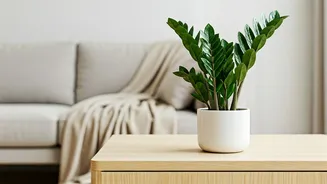
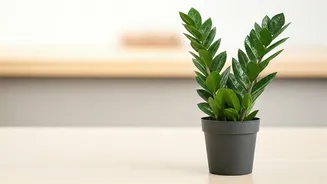
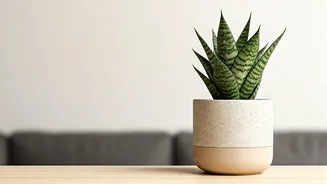
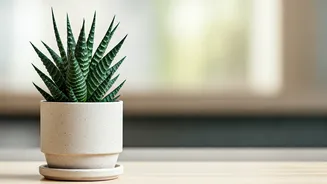
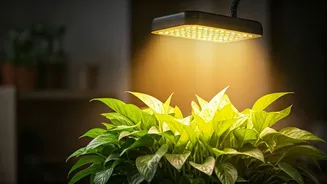
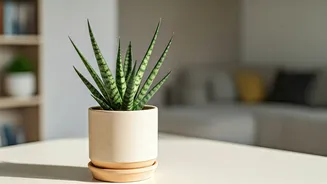
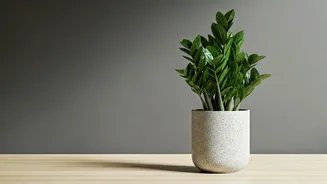
agreements, the last thing they need is another high-maintenance relationship—especially with a plant. The ZZ plant is the opposite of demanding. Its glossy, dark green leaves look perpetually healthy even when faced with benign neglect. It thrives in low light, making it perfect for that garden-level apartment with one north-facing window. It’s also famously drought-tolerant, surviving weeks (sometimes even a month or more) without water thanks to its rhizomatous root system that stores moisture. In essence, it’s a plant that forgives you for being busy, for going on a spontaneous weekend trip, or for simply forgetting it exists for a little while. This makes it not just a plant, but a stress-free companion in a transient world.
A Gift That Grows, Not Gathers Dust
Traditional housewarming gifts often fall into two categories: consumables or clutter. The bottle of mid-range cabernet is a classic, but it’s ephemeral. The quirky piece of wall art or set of coasters you thought was perfect might clash horribly with your friend's actual taste, destined for a life in the back of a closet. The ZZ plant elegantly sidesteps this dilemma. It's a gift of life and growth, something that evolves with the new homeowner or renter. Unlike a throw pillow, it's not taste-specific in a way that creates design tension. A plant is a neutral, universally appreciated addition of nature to an indoor space. It actively improves the environment—both aesthetically and, to a small degree, by purifying the air. It says, “I want to give you something that lasts and adds value to your new home, without presuming to know your exact decorative style.” It’s a thoughtful gesture that respects the recipient’s autonomy over their own space.
The 'Plant Parent' Aesthetic
You can't discuss the ZZ plant's popularity without acknowledging the larger cultural phenomenon of the “plant parent.” For many millennials and Gen Zers, who are often delaying or forgoing traditional milestones like marriage and homeownership, nurturing houseplants has become a way to practice care and domesticity on a smaller, more manageable scale. Scrolling through Instagram or TikTok, you’ll find endless posts under hashtags like #plantmom, #urbanjungle, and, of course, #zzplant. A thriving ZZ plant, with its architectural leaves and deep green hue, is incredibly photogenic. It signals that the owner is responsible, nurturing, and has their life together—even if the plant’s survival is more a testament to its own resilience than their horticultural skill. Gifting a ZZ plant is like giving someone an instant pass into this club. It’s an entry-level plant that provides the confidence boost needed to eventually graduate to the more finicky Fiddle Leaf Fig.
Symbolism for a Generation in Flux
On a deeper level, the ZZ plant resonates because it is a quiet symbol of resilience. It's a living thing that prospers with minimal resources in less-than-ideal conditions. For a generation navigating economic uncertainty, housing instability, and the general chaos of the modern world, this is a powerful metaphor. The plant’s ability to thrive in the dark and bounce back from neglect feels aspirational. It represents stability and steady growth in a world that often feels anything but. Giving a friend a ZZ plant as they start a new chapter in a rented space is a subtle act of encouragement. It’s a vote of confidence, a way of saying, “Like this plant, you’ve got this. You can grow and thrive right where you are.”