



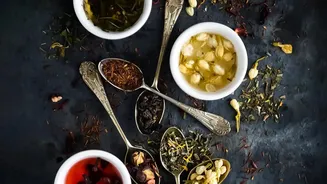
The Cool-Down: What is Cold-Brew Tea?
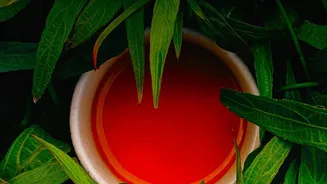
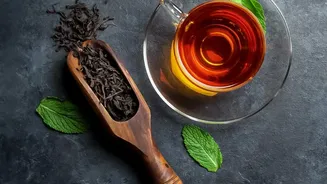
Forget the hastily cooled, often bitter iced tea of the past. The new star is cold-brew tea, and the magic is in its method. Instead of a quick steep in hot water, tea leaves are infused in cold or room-temperature water for an extended period, typically
between 6 to 12 hours. This slow, gentle extraction process fundamentally changes the flavour. The heat of traditional brewing can release a high amount of tannins, compounds that give tea its characteristic bitterness or astringency. Cold water, by contrast, draws out the delicate, sweeter notes of the tea, leaving the harsher compounds behind. The result is a remarkably smooth, clean, and naturally sweet beverage with less caffeine than its hot-brewed counterpart.
The Quality-First Approach: Orthodox and Single-Origin
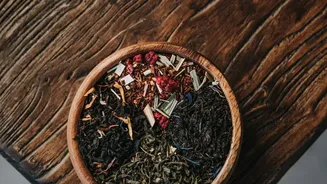
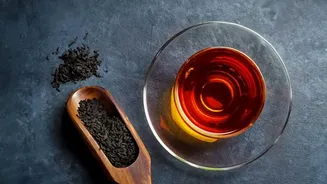
This trend isn't just about changing the water temperature; it's about elevating the core ingredient. The cafes at the forefront of this movement are moving away from the mass-produced CTC (Crush, Tear, Curl) tea found in most tea bags. Instead, they are opting for 'orthodox' teas. This refers to a traditional, centuries-old production method where tea leaves are gently rolled and handled to keep the whole leaf intact. This meticulous process preserves the complex, multi-layered flavours and aromas of the tea, unlike the faster, more industrialised CTC method designed for quick, strong infusions. Paired with the 'single-origin' designation—meaning the tea comes from one specific estate in a region like Darjeeling or Assam—it allows drinkers to experience the unique 'terroir' and flavour profile of that specific garden, much like with fine wine or specialty coffee.
A Touch of Local Terroir
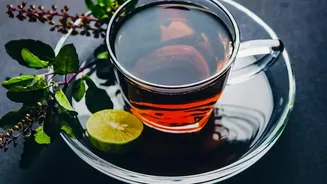
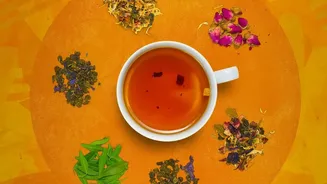
What makes this trend uniquely Indian is the creative infusion of native herbs and botanicals. Baristas and beverage creators are digging into India's rich botanical heritage, moving beyond common mint and lemon to incorporate a wider palette of flavours. You might find a cold brew infused with the floral notes of hibiscus or rhododendron flowers (buransh), the wellness-boosting properties of tulsi (holy basil) and ashwagandha, or the citrusy zing of lemongrass. This practice not only adds layers of complexity and aroma to the drink but also connects it to traditional Indian wellness practices like Ayurveda. It’s a celebration of local ingredients, creating drinks that are both globally inspired and deeply rooted in Indian soil.
The Perfect Blend of Factors
So why is this happening now? The rise of artisanal cold-brew tea is a confluence of several cultural shifts. Firstly, there's a growing health and wellness consciousness, with urban consumers actively seeking low-sugar, natural alternatives to carbonated soft drinks. Secondly, the 'third wave' coffee movement has educated palates and created an appreciation for artisanal, single-origin beverages, a curiosity that is now extending to tea. Finally, there is a burgeoning desire for sophisticated non-alcoholic options on menus—drinks that are as complex and thoughtfully crafted as a high-end cocktail. This trend sits at the perfect intersection of a renewed pride in Indian ingredients and an embrace of global culinary techniques.