



On October 20, 2026, Japan's space agency, JAXA, launched one of the most ambitious planetary science missions ever attempted. The Martian Moons eXploration, or MMX, probe is now on its way to Mars to solve a decades-old mystery.
A New Chapter in Solar System Exploration
Lifting off from the Tanegashima
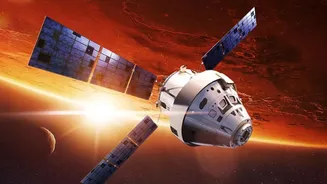
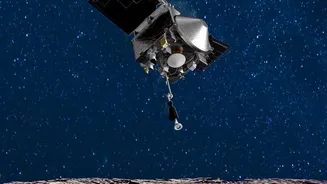
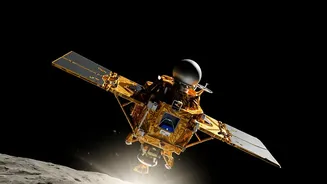
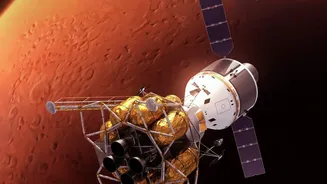
Space Center in Japan, the MMX spacecraft began its long journey aboard an H3 rocket. The launch marks a pivotal moment for JAXA, building on the success of its Hayabusa missions which returned samples from asteroids. MMX is designed to do something no mission has done before: land on Phobos, one of Mars’ two small moons, collect at least 10 grams of surface material, and bring it back to Earth for analysis. The spacecraft is expected to arrive in orbit around Mars in August 2027, beginning a multi-year campaign of observation and preparation.
Why Phobos? The Mystery of Mars' Moons
The central question driving the MMX mission is the origin of Mars' moons, Phobos and Deimos. Scientists are divided between two main theories. The first is that the moons are captured asteroids, drawn into Mars' gravity long ago. If this is true, samples from Phobos could offer a pristine look at the building blocks of the outer solar system. The second theory is that the moons formed from debris blasted into orbit by a giant impact on a young Mars, much like how our own Moon is thought to have formed. Material from Phobos would therefore contain pieces of the early Martian crust. By analyzing a returned sample in labs on Earth, scientists hope to finally solve this puzzle, which will provide crucial insights into how planetary systems form and evolve.
An Ambitious and Complex Journey
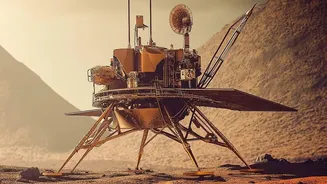
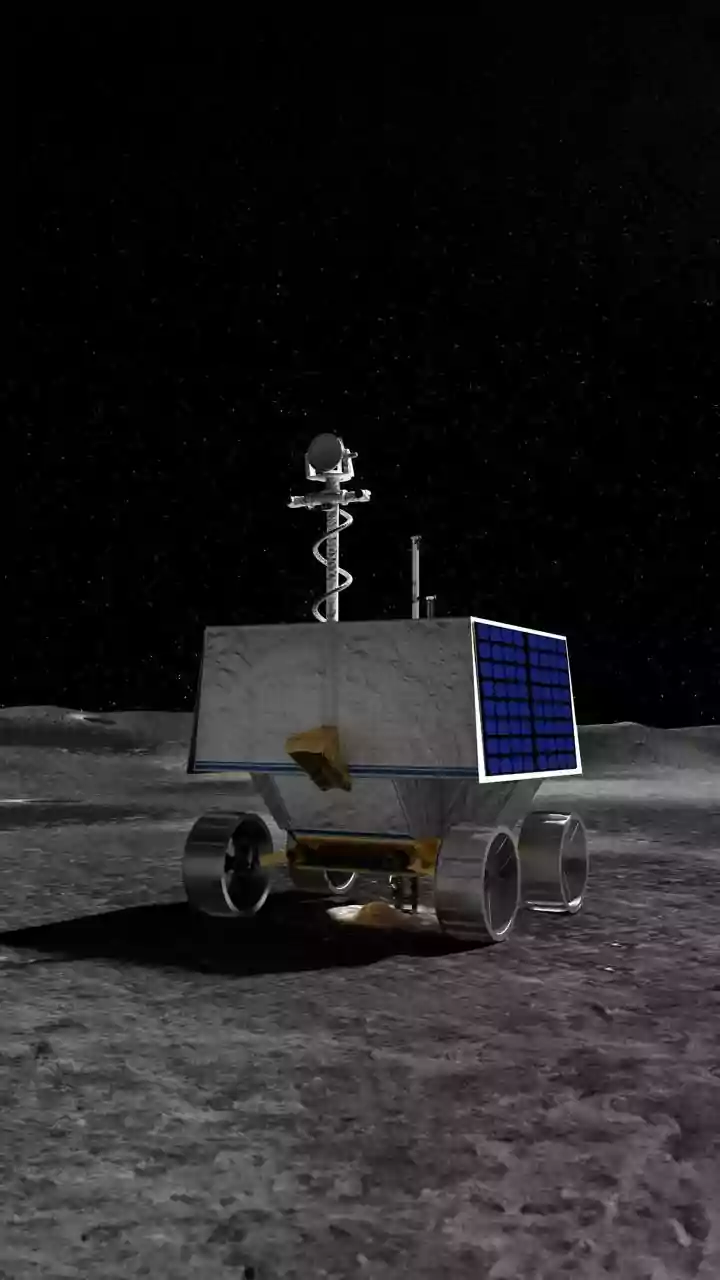
The MMX mission is a masterpiece of complex orbital mechanics and robotics. After entering orbit around Mars in 2027, the spacecraft will maneuver into a quasi-satellite orbit around Phobos itself. It will spend years studying both moons, mapping the surface of Phobos to find a safe and scientifically interesting place to land. The plan includes two landings to collect samples using different mechanisms. One of the biggest challenges is the extremely low gravity on Phobos, which is about 1/1700th of Earth's. Before the main spacecraft touches down, it will deploy a small 25-kg rover named Idefix, which will explore the surface for about three months to test the ground conditions. After collecting its precious cargo, MMX will perform flybys of the other moon, Deimos, before beginning its return journey to Earth in 2030. The sample capsule is scheduled to land in Australia in 2031.
A Global Collaboration for Science
While JAXA is leading the mission, MMX is a significant international collaboration. NASA has provided a key science instrument, a gamma-ray and neutron spectrometer called MEGANE, which will help determine the chemical makeup of Phobos' surface. The US space agency also contributed one of the sampling systems. The German (DLR) and French (CNES) space agencies jointly developed the Idefix rover that will be the first vehicle to traverse the surface of the Martian moon. The European Space Agency (ESA) is contributing communications equipment and ground station support. This global partnership underscores the shared scientific interest in unlocking the secrets held by the Martian system.