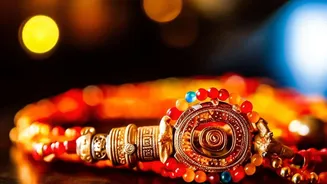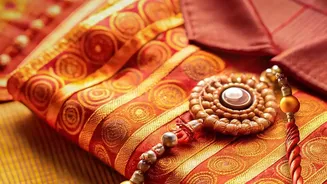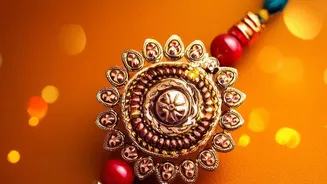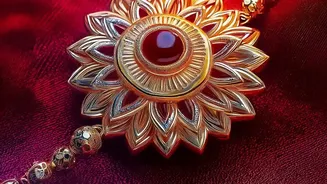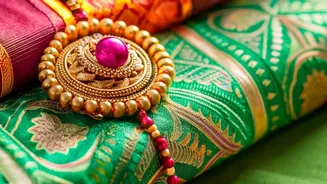







The Problem with Traditional Rakhis
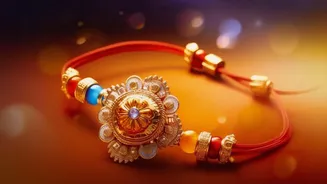
Each year, millions of rakhis are purchased and worn for a single day. Many of these are made from non-biodegradable materials like plastic beads, synthetic threads, and foam, which end up in landfills or water bodies after the festival. This creates
a significant amount of waste that takes hundreds of years to decompose, releasing harmful substances into the environment. Beyond the rakhi itself, plastic packaging and glittery gift wrap add to the ecological cost. Choosing an eco-friendly path isn't just about reducing waste; it's about instilling values of sustainability and conscious consumption in our festive traditions.
Fabric Scraps to Festive Rakhis
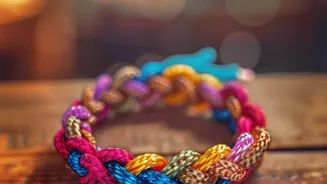
Look through your home for old clothes, leftover fabric from tailoring, or even a worn-out dupatta. These scraps are perfect for creating soft, colourful, and unique rakhis. You can cut the fabric into small strips and braid them, or cut them into flower or star shapes to form the centerpiece. Use a needle and thread or fabric glue to assemble the parts. A button from an old shirt can serve as a central decoration. This not only prevents fabric from ending up in a landfill but also results in a rakhi that is comfortable to wear and deeply personal.
Cardboard and Paper Creations
An empty cereal box, old wedding invitations, or even newspapers can be transformed into sturdy and creative rakhi bases. Cut the cardboard into a circle, square, or any desired shape. You can then paint it, cover it with colourful paper, or decorate it with pulses and grains from the kitchen for a textured look. Newspaper can be rolled into tight beads, varnished with clear nail polish, and strung together for a surprisingly elegant rakhi. This is a fantastic activity for children, who can paint and decorate the cardboard cutouts themselves.
Upcycled Thalis and Gift Hampers
The celebration extends beyond just the rakhi. Instead of buying a new pooja thali, decorate one you already own or upcycle a steel plate or even a sturdy cardboard disc. You can paint it, cover it with decorative paper, or glue on embellishments like broken bangles or beads. When it comes to gifts, consider creating a hamper using a decorated cardboard box or a reusable basket. Fill it with homemade sweets presented in clean glass jars, or small, thoughtful items. This avoids the cost and waste of store-bought hampers.
Eco-Conscious Gift Wrapping
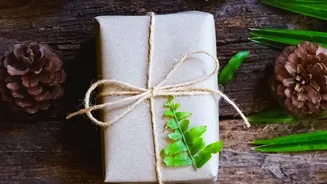
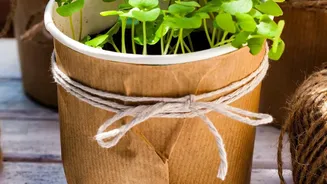
Avoid glossy, glitter-covered wrapping paper, which is often non-recyclable. Instead, get creative with materials you already have. The comics section from an old newspaper makes for fun and quirky wrapping paper for a younger sibling. A beautiful old scarf or a piece of cloth can be used to wrap a gift using the Japanese Furoshiki technique, making the wrapping itself a part of the present. For a rustic look, simple brown paper and tie it with jute string, adding a pressed flower or a leaf for decoration. These methods add a personal touch that shows extra thought and care.
A Bond That Grows: Seed Rakhis
One of the most innovative eco-friendly ideas is the seed rakhi. These are made from biodegradable materials like handmade paper or clay, with seeds of flowers or vegetables embedded within them. After the festival, the rakhi can be planted in soil. As the plant grows, it serves as a living, breathing symbol of the sibling bond. While some of these are available to buy from eco-conscious brands, you can also make your own by embedding seeds into air-dry clay or handmade seed paper. It’s a beautiful way to ensure the rakhi doesn’t become waste, but rather transforms into something new.