








What Is Chrononutrition?
Chrononutrition is the science of how our body's internal 24-hour cycles, known as circadian rhythms, interact with our nutrition. It suggests that for optimal health, we should time our meals to coincide with when our body is best prepared to digest
and metabolize food. This means eating during daylight hours when we are active, and fasting when we are meant to be resting at night. This isn't about a specific diet, but rather a schedule that can be applied to healthy eating plans like the Mediterranean diet. The idea is to work with your body's natural rhythms, not against them.
Your Body's Internal Clock and Digestion
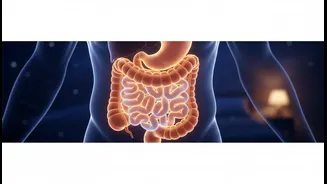
Every organ in our body, including our digestive system, has its own internal clock. These clocks are synchronized by a master clock in the brain, which is primarily regulated by light. However, food is a powerful cue for the clocks in our digestive organs. Throughout the day, these clocks regulate functions like the secretion of digestive enzymes, stomach acid, and gut motility (the movement of food through your digestive tract). When we eat at irregular times, especially late at night, it can disrupt these rhythms, leading to a state of 'circadian misalignment'. This misalignment is linked to a host of digestive and metabolic issues.
The Midday Advantage for Digestion
According to chrononutrition principles, our digestive system is at its peak performance around midday. During this time, our body is most efficient at secreting digestive juices and enzymes needed to break down food. Gastric emptying is also faster. Research has shown that our bodies handle calories and nutrients like glucose better earlier in the day. A meal eaten at night can cause a much higher spike in blood sugar than the exact same meal eaten earlier. By consuming your largest meal at lunchtime, you are providing your body with fuel when it is most prepared to use it efficiently, leading to better digestion and more stable energy levels.
Cultivating a Healthy Gut Microbiome
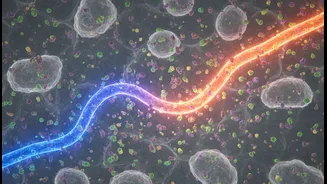
The timing of your meals also has a significant impact on your gut microbiome, the trillions of microbes living in your digestive tract. These microbes also have their own daily rhythms. Their composition and activity fluctuate over a 24-hour period, influenced by our eating patterns. Eating a large meal at midday helps to support these beneficial microbes, which thrive when fed during our active phase. In contrast, late-night eating can disrupt the microbiome's rhythm, potentially leading to dysbiosis, an imbalance of good and bad bacteria. This imbalance is associated with inflammation, a weakened gut barrier, and an increased risk of chronic diseases.
The Downside of Late-Night Feasting
Eating a heavy meal late at night forces your digestive system to work overtime when it should be winding down for rest and repair. This can lead to a range of uncomfortable symptoms like indigestion, acid reflux, and bloating. Furthermore, late-night eating is associated with poorer sleep quality, weight gain, and an increased risk of metabolic issues like insulin resistance. As digestive efficiency decreases at night, the body is more likely to store the calories from a late meal as fat. Consistently eating late can also disrupt hunger-regulating hormones, making you feel hungrier the next day.
Making the Midday Meal Work for You
Shifting your largest meal to midday can be a challenge in a culture often oriented around a large dinner. Start gradually. You can begin by increasing the size and nutritional density of your lunch while making your dinner progressively lighter. A balanced lunch should include lean protein, healthy fats, and plenty of fiber from vegetables and whole grains to support digestion and keep you full. Preparing lunches in advance can help you avoid grabbing less healthy options when you're busy. Listening to your body's hunger and fullness cues through mindful eating can also prevent overeating and improve your digestive experience.