

What You Will Need
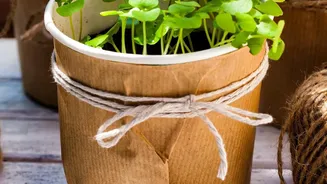
Before you begin, gather a few essential items. You will need seeds for Tulsi (Holy Basil), Mint (Pudina), and Coriander (Dhania). Select containers that are at least 6-8 inches deep to allow for root growth; terracotta pots are a great choice due to their
porosity. Ensure every pot has drainage holes at the bottom to prevent waterlogging. You’ll also need a good quality, well-draining potting mix. A combination of garden soil, compost, and a material like coco peat or perlite creates an ideal environment for herbs. Lastly, have a small watering can or spray bottle ready.
Preparing Your Pots and Soil
Proper preparation is key to preventing common issues like root rot. Start by filling your chosen containers with the potting mix, leaving about an inch of space at the top. Using a pre-bagged potting mix is convenient, but creating your own blend gives you more control. A good recipe is 40% potting soil, 30% compost, and 30% coco peat, which retains moisture while allowing for good drainage. Before sowing your seeds, lightly moisten the soil with water. This ensures the seeds have a damp environment to begin germination without being washed away.
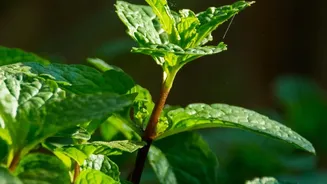
Planting Tulsi (Holy Basil)
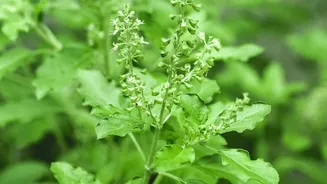
Tulsi is a revered plant in many Indian households and is relatively easy to grow. Tulsi seeds are tiny, so sprinkle them evenly over the moist soil surface. Gently press them down, covering them with a very thin layer of soil, about a quarter of an inch deep. These seeds need light to germinate, so don't bury them too deeply. Place the pot in a warm, sunny windowsill where it can receive at least 4-6 hours of direct sunlight daily. Keep the soil consistently moist until germination, which typically takes one to two weeks.
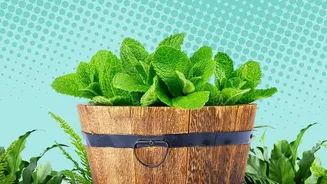
Planting Mint (Pudina)
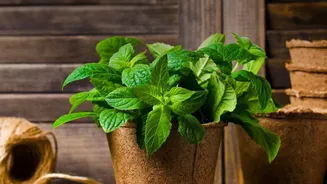
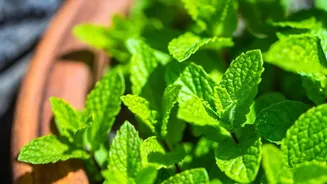
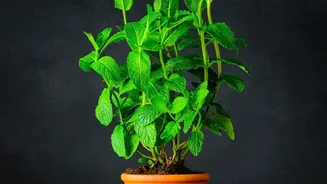
Mint is a vigorous grower, making it perfect for its own dedicated container to prevent it from taking over. Growing mint from seed requires a bit of patience, as germination can take 10 to 21 days. Scatter the small seeds on the surface of the moist soil and press them in lightly; do not cover them, as they need light to germinate. You can cover the pot with plastic wrap to create a humid environment, removing it once sprouts appear. Mint prefers bright, indirect light rather than intense, direct sun. An east or west-facing window is often ideal. Keep the soil consistently moist.
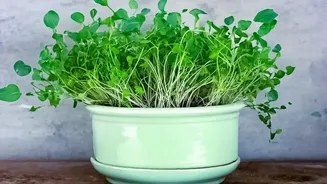
Planting Coriander (Dhania)
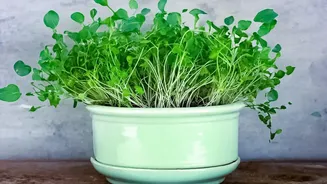
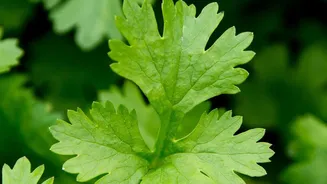
Fresh coriander is a staple garnish, and growing it is very rewarding. For better germination results, you can gently split the whole coriander seeds into two halves or soak them in water overnight before planting. Sow the seeds about half an inch deep in the soil, spacing them an inch or two apart. Cover them with a light layer of soil and water gently. Coriander plants thrive in a spot that gets around 4-6 hours of morning sunlight, but they appreciate some shade during the hot afternoon to prevent premature flowering, also known as 'bolting'. Expect germination within 7-10 days.
Care and Harvesting
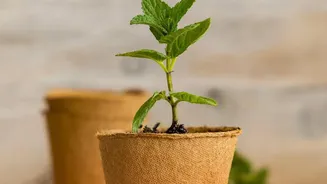
Once your seeds have sprouted, consistent care will ensure a healthy harvest. All three herbs require sunlight, with Tulsi and Coriander needing at least 4-6 hours of direct sun. Water your plants when the top inch of soil feels dry, but avoid making the soil soggy. For Tulsi, regularly pinching off the top sets of leaves and any flower buds that form will encourage the plant to grow bushier. Harvest mint leaves regularly to promote compact growth. You can start harvesting coriander leaves (cilantro) when the plant is about 6 inches tall; snip the outer leaves first to allow the plant to continue producing from the center.