




Beyond the Big City Lights
For the longest time, the narrative of exciting, innovative food in India was centered around a handful of major metropolitan hubs. Mumbai, Delhi, and Bengaluru were the undisputed champions of culinary trends, boasting the best restaurants, the most
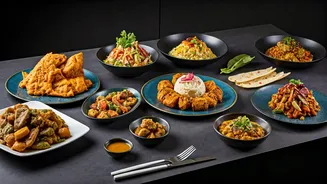
creative chefs, and the most diverse menus. Today, however, that map is being redrawn. A significant shift is underway as Tier-2 cities emerge as the next frontier for the country's food and beverage industry. Cities like Lucknow, Indore, Chandigarh, and Jaipur are no longer just catching up; they are building their own distinct food identities and generating significant hype. This isn't just about a few new restaurants opening. It’s a fundamental change driven by a confluence of economic and cultural factors that are reshaping how and where Indians eat.
The New Ingredients for Success
Several key factors are fueling this culinary boom. The COVID-19 pandemic triggered a wave of reverse migration, as professionals moved from crowded metros back to their hometowns. This influx brought back a population with higher disposable incomes and palates exposed to global trends. Simultaneously, the explosion of social media and digital penetration has meant that food trends are no longer confined by geography. A foodie in Lucknow or Kochi is just as aware of Korean food or artisanal cafes as their counterpart in Mumbai, thanks to Instagram and YouTube. This digital engagement has created a generation of aspirational consumers who are eager to experiment with new cuisines. For restaurateurs, the economics are also compelling. Lower commercial rental costs—a fraction of what they are in metros—make it more viable to open new establishments and experiment with larger formats, leading to faster profitability. Nearly 94% of restaurant operators are now planning expansions into these smaller cities.
Case Study: Jaipur's Evolving Palate
Jaipur, the Pink City, is a prime example of this transformation. Long celebrated for its legendary street food like Pyaaz Kachori and Dal Baati Churma, the city's food scene is now a vibrant mix of tradition and modernity. While iconic stalls in Johari Bazaar and on M.I. Road continue to thrive, they are now complemented by a wave of new cafes, gourmet restaurants, and international chains. The city has become a hotspot for food entrepreneurs who are catering to a diverse clientele of tourists, locals, and the newly returned urban population. You can find everything from authentic Italian food in a Mediterranean-style courtyard to modern cafes perfect for a remote workday. This blend of old and new is creating a dynamic food culture where a visitor can enjoy a traditional breakfast at a decades-old stall and have a gourmet pizza for dinner.
Chandigarh and Lucknow Follow Suit
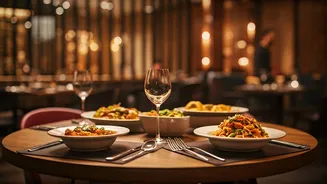
This trend is not isolated to Rajasthan. In Chandigarh, a city known for its planned architecture, the food landscape is becoming increasingly cosmopolitan. International chains like Singapore's BreadTalk and London's PizzaExpress have recently opened outlets, alongside a flourishing local cafe culture. These new establishments are offering everything from authentic South Indian cuisine to artisanal coffees and pastries, turning the Tricity area into a foodie destination. Similarly, Lucknow is witnessing a revival. While its world-famous Mughlai heritage remains a cornerstone, the city is embracing new dining formats that appeal to younger consumers. This pattern repeats across the country in cities like Indore, Coimbatore, and Kochi, each developing a unique culinary scene that reflects both local traditions and global aspirations.
Challenges and the Road Ahead
This rapid growth is not without its challenges. Restaurant operators in Tier-2 cities often face a shortage of skilled kitchen and service staff, as much of the local talent still migrates to metros for opportunities. Inconsistent supply chains can also pose problems, making it difficult to source high-quality ingredients reliably. However, the momentum is undeniable. Dining out in these cities has shifted from an occasional treat to a regular part of the lifestyle for a growing number of people, particularly Millennials and Gen Z. This demographic is not just looking for food; they are seeking experiences, and they are willing to pay for quality and novelty.