
The Modern Festive Dilemma
In cities across India, the festive calendar is often a source of both excitement and anxiety. Juggling demanding careers, school schedules, and the daily commute leaves little room for the elaborate preparations that many remember from childhood. The
desire to pass on cultural traditions to the next generation clashes with the reality of time-poor, nuclear family structures. The result is often a reliance on store-bought sweets and snacks, which, while convenient, can feel impersonal and disconnected from the heart of the celebration. Many also worry about the quality of mass-produced items, which can contain unhealthy fats, excessive sugar, and artificial additives. This creates a modern dilemma: how to capture the authentic spirit of the festival without adding to an already overflowing plate of stress.
A Return to the Kitchen
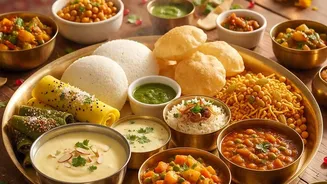
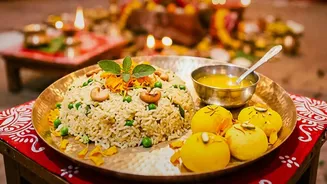
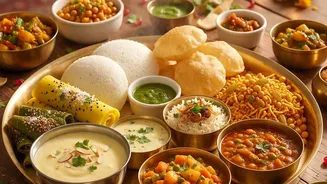
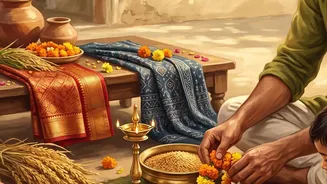
In response to this pressure, a growing number of families are rediscovering the joy of making festive snacks at home. This is not about recreating the massive, multi-day cooking marathons of the past. Instead, it’s a strategic and mindful approach to food. By choosing to make just a few special items, families are reclaiming the sensory experience of the festival. The aroma of cardamom and ghee filling the home is something no store can replicate. This shift represents a conscious decision to prioritise quality over quantity, and experience over convenience. It’s less about adding another task and more about carving out a small, meaningful pocket of time dedicated to the essence of the celebration. Many find that preparing sweets and savouries by hand preserves traditional recipes and regional methods that are often lost in commercial production.
More Than Just a Delicious Snack
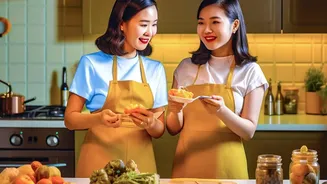
The benefits of this trend extend far beyond the food itself. Involving children in the kitchen is a powerful way to pass on cultural heritage. Simple, age-appropriate tasks like rolling dough, mixing ingredients, or pressing out cookie shapes can create lasting memories and a tangible connection to their roots. Psychologists and educators note that cooking together builds confidence, enhances fine motor skills, and teaches valuable lessons in patience and following instructions. It becomes a shared activity that strengthens family bonds away from screens and distractions. Furthermore, making snacks at home gives parents complete control over the ingredients, allowing them to reduce sugar, use healthier fats like ghee instead of hydrogenated oils, and avoid artificial colours and preservatives commonly found in commercial products.
Smart Strategies for Time-Pressed Parents
The key to making this work is not to aim for perfection, but for participation and enjoyment. Smart strategies can make the process manageable and fun. Many families opt for 'make-ahead' snacks that can be prepared over a weekend and stored. Items like Namakpare, Shakarpara, or roasted nut mixes are perfect examples. Another popular approach is the 'one special thing' rule, where the family focuses on preparing a single, significant festive dish from scratch while buying other supplementary items. Involving everyone is crucial; even the youngest children can help with washing produce or arranging the finished snacks on a platter. The goal is to transform a potential chore into a collaborative and joyful ritual that fits within the constraints of modern life.
Easy Wins for Festive Flavour
You don't need to be a seasoned chef to create delicious festive treats. Many traditional Indian snacks are surprisingly simple. Coconut laddoos often require just a few ingredients and no complex cooking. A batch of spicy roasted makhana (fox nuts) or a simple poha chivda can be prepared in under 30 minutes. Even modern fusion ideas, like a Gulab Jamun cheesecake, can be simplified for home cooking. The internet is filled with video tutorials and blogs offering quick, easy-to-follow recipes for everything from murukku sticks to baked sev, providing endless inspiration for families looking to start their own new, manageable traditions. These simple successes build confidence and make the idea of homemade festivities feel accessible and rewarding.