



From Festive Treat to Daily Habit
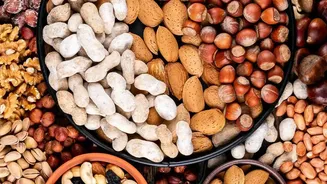
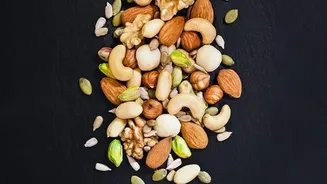
For generations, nuts and seeds were reserved for special occasions. They were key ingredients in rich Mughlai gravies, festive sweets, and lavish Diwali gift hampers. Today, that perception has been completely overturned. Almonds, walnuts, pistachios,
and even seeds like pumpkin and sunflower are no longer just for celebrations; they are becoming an everyday affair. This transition marks a significant evolution in Indian dietary patterns, moving these nutrient-dense foods from the periphery to the center of the modern snacking landscape. The healthy snacks market in India, which was valued at over USD 4.4 billion in 2025, is projected to grow significantly, with the nuts and seeds segment being the largest and fastest-growing category.
The Driving Force of Health Consciousness
The primary catalyst for this trend is a powerful wave of health and wellness awareness sweeping across the nation. More than ever, Indian consumers are proactively seeking functional benefits from their food, including energy boosts, higher protein content, and mood enhancement. In a survey, 72% of respondents cited health benefits as a strong influencer in their snacking choices. This shift is driven by a desire for clean-label products with natural, preservative-free ingredients. Consumers are increasingly reading labels, scrutinizing ingredient lists, and opting for baked or roasted options over fried ones. Nuts and seeds, packed with protein, healthy fats, and fiber, perfectly align with this new paradigm of mindful eating and preventive health.
The Modern Demands of Convenience
Alongside health, convenience is king in a rapidly urbanizing India. Hectic work schedules and long commutes leave little time for elaborate snack preparation. Nuts and seeds offer the ultimate on-the-go solution: they are portable, require no cooking, and provide sustained energy without the post-snack slump associated with high-sugar or high-carb options. The rise of single-serve and smaller, trial-sized packs has made it easier for busy professionals and families to incorporate them into their daily routines. This demand for convenient yet nutritious food is a major factor propelling the entire healthy snacks market forward, which is expected to see a compound annual growth rate of around 8%.
A New Generation of Brands
This consumer-led movement has been met with a surge of innovation from new-age food companies. A host of direct-to-consumer (D2C) brands have entered the market, transforming how nuts and seeds are packaged, marketed, and sold. Companies like Farmley, True Elements, and Happilo are making high-quality products more accessible through online platforms and quick commerce apps. These brands are also catering to the modern Indian palate with creative offerings like flavored roasted nuts, trail mixes, and seed blends. This has not only expanded the variety available but also made the category more exciting and appealing, especially to millennials and Gen Z consumers who are driving fitness-focused dietary trends.
Beyond the Usual Suspects
The trend extends far beyond the traditional almonds, cashews, and walnuts. There is a growing appetite for a wider variety of seeds, which were once relegated to niche health food stores. Flax, chia, pumpkin, and sunflower seeds are now mainstream, recognized for their impressive nutritional profiles. Consumers are adding them to smoothies, sprinkling them over salads, or simply eating them as a roasted snack. This diversification shows a deeper engagement with nutritional science and a willingness to experiment with new ingredients. It signals that the Indian snacker is not just looking for a healthier alternative but is actively building a more varied and nutrient-rich diet from the ground up.