
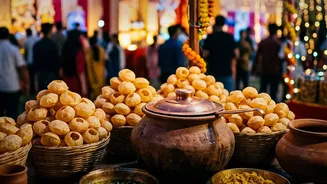


More Than Just a Meal
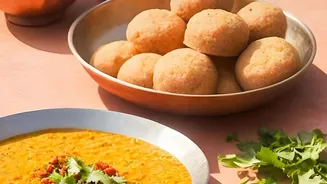
Forget the idea of a simple tasting tour. The modern Indian food walk is a carefully curated experience that weaves together gastronomy, history, and performance. It’s the difference between eating a delicious plate of 'chole bhature' and understanding
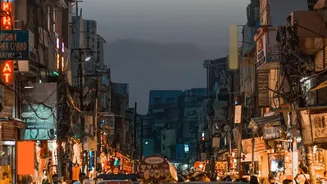
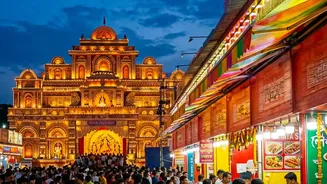
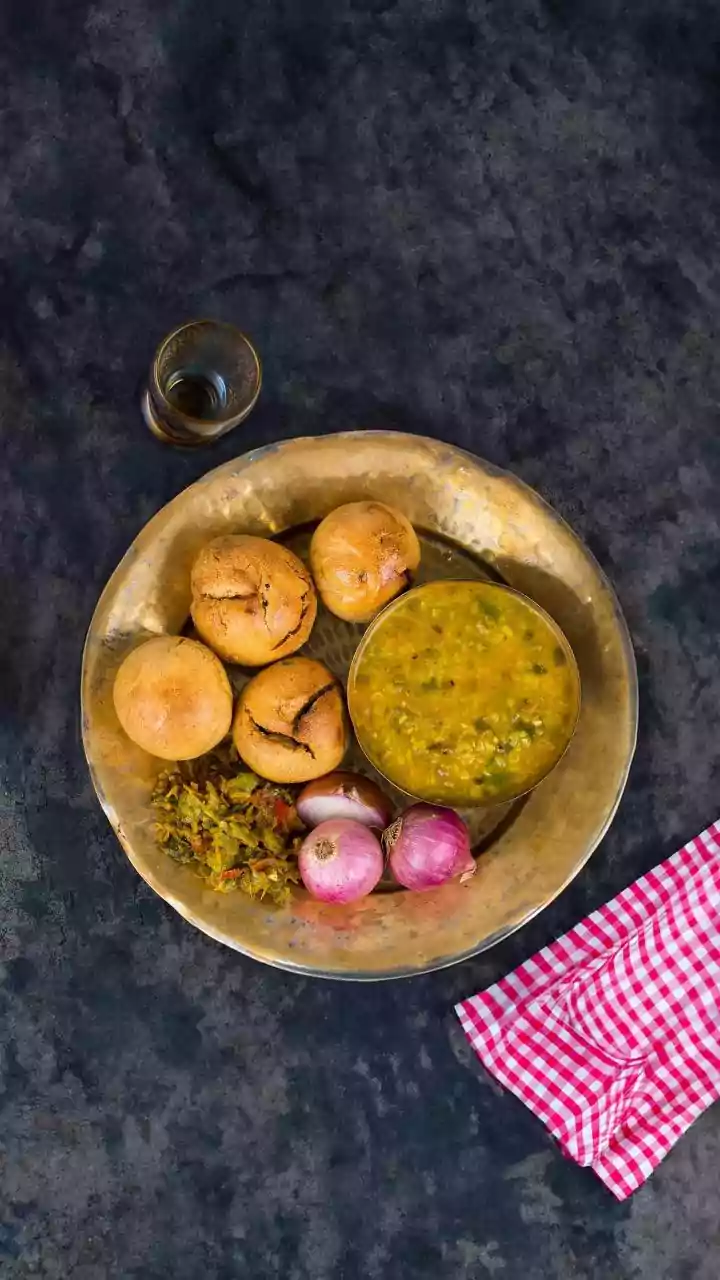
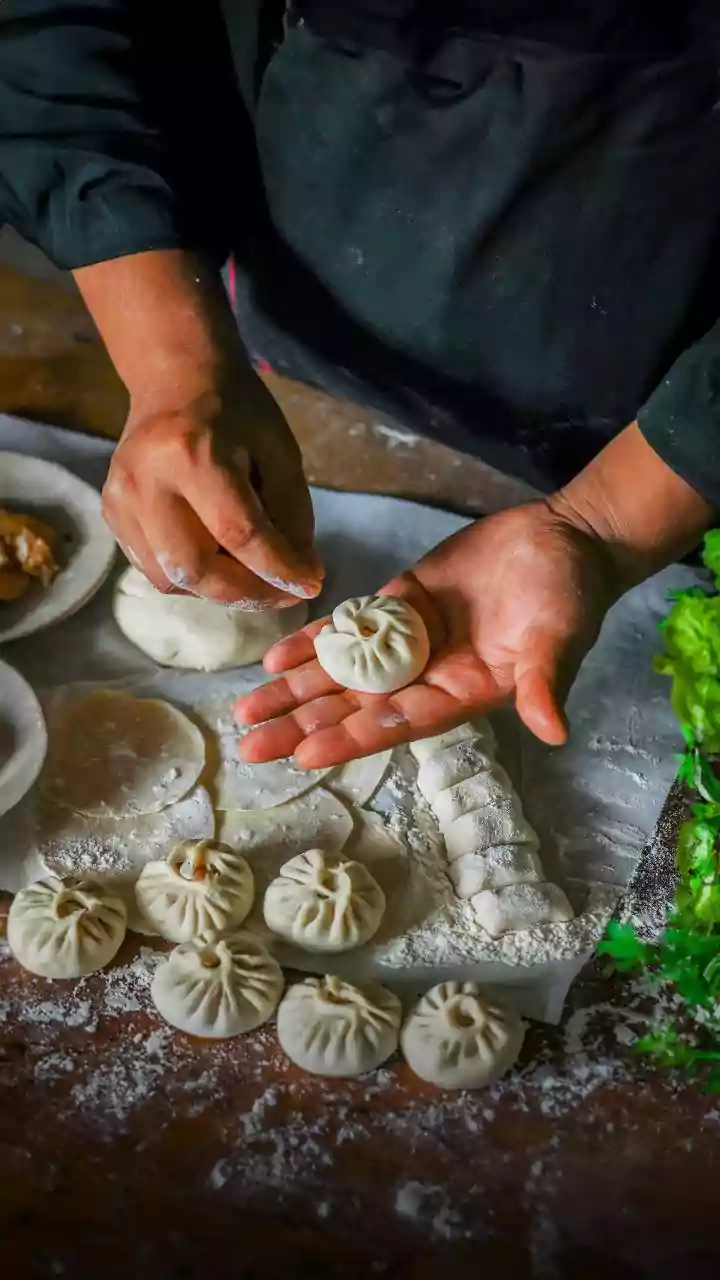
its connection to post-partition refugee culture in Delhi. These walks invite you to see cities not as a checklist of sights, but as living museums of flavour. They go beyond restaurants, taking travellers deep into the heart of a city’s culinary soul, from street-side stalls run by the same family for generations to bustling wholesale spice markets. The goal isn't just to eat, but to connect with the city’s authentic identity through its most beloved dishes.
A Taste of History
On these walks, food becomes a delicious artefact. A bite of a succulent kebab in Lucknow might come with stories of the opulent Awadhi courts and their demanding Nawabs. A stroll through Old Delhi's Chandni Chowk reveals how Mughal emperors forever shaped the city’s culinary landscape, introducing slow-cooking techniques and aromatic spices that trickled down from royal kitchens to street stalls. In Kolkata, the food tells a story of diverse influences, from British-era chop and cutlets to the unique 'Chindian' cuisine adapted from immigrant communities. Each dish serves as a starting point for a larger narrative about trade routes, imperial legacies, community migration, and survival, making history tangible and relatable.
The Guides Who Animate the Past
The magic of these experiences often lies with the guides. They are not just tour leaders; they are passionate historians, cultural interpreters, and, most importantly, masterful storytellers. These local experts possess a deep knowledge of their city's gastronomic geography, from the hidden gems to the legendary institutions. They don't just point you to the best 'kulfi'; they introduce you to the man whose family has been making it for a century, sharing anecdotes that bring the food and its context to life. Their ability to connect a simple snack to a grand historical event or a personal family story is what transforms a meal into a memorable, immersive experience.
Redrawing the Tourist Map
This shift towards culinary tourism is having a tangible impact on how cities are experienced. Food walks are diversifying tourism, steering visitors away from the often-overcrowded landmark circuits and into vibrant, lesser-known neighbourhoods. This model of tourism is inherently more sustainable, providing income directly to small, family-owned businesses that are the guardians of a city's culinary heritage. By celebrating these local vendors, food walks help preserve traditions that might otherwise be lost to modernization. As travellers increasingly seek authentic, hands-on experiences, these guided culinary journeys are no longer a niche activity but a central part of the modern Indian travel itinerary, influencing destination choices and promoting a deeper cultural exchange.