


You Control the Health Factor
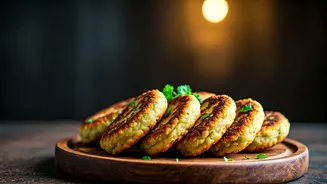
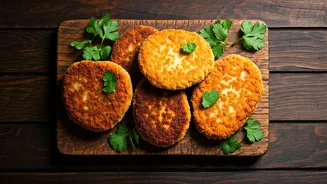
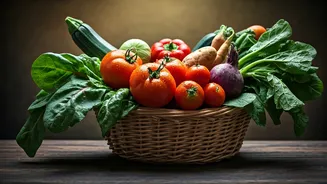
One of the most significant advantages of cooking at home is complete control over the ingredients. When you make cutlets in your own kitchen, you decide on the quality and quantity of oil, the freshness of the vegetables, and the amount of salt. [4,
11] Restaurant and takeaway meals, while convenient, are often prepared with higher levels of sodium, unhealthy fats, and preservatives to enhance flavour and extend shelf life. [4, 11] At home, you can choose healthier cooking methods like shallow-frying or air-frying instead of deep-frying, and you can be sure of the hygiene standards, a peace of mind that takeaway food doesn't always offer. [8]
It's Significantly More Economical
The cost difference between cooking at home and ordering in can be substantial, especially for a family. Studies and comparisons consistently show that a meal prepared at home can be three to five times cheaper than its restaurant counterpart. [12, 25] A simple home-cooked meal in India can cost as little as ₹25-₹70 per person, whereas ordering a similar dish from a restaurant can easily set you back ₹150-₹500. [12, 13] When you buy ingredients in bulk and plan meals, the savings add up quickly, making homemade cutlets a budget-friendly choice that doesn't compromise on taste or quantity.
Perfect Customisation for Every Palate
Every family has its own unique taste preferences. Someone might like their cutlets extra spicy, while the kids might prefer a milder version with more potatoes and carrots. Cooking at home allows for endless customisation. [8] You can adjust the spice levels, sneak in extra vegetables for picky eaters, or cater to specific dietary needs and allergies—a level of personalisation that's difficult to achieve with a standardized takeaway menu. [11] This ensures that everyone at the table gets to enjoy the meal exactly the way they like it.
Strengthening Family Bonds and Traditions
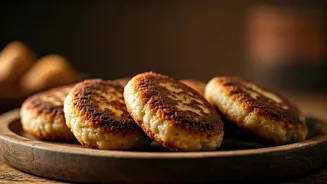
In many Indian households, the kitchen is the heart of the home. [3] Cooking is not just a chore but a cherished activity that brings families together. [3] The process of preparing a meal—from chopping vegetables to shaping the cutlets—provides a valuable opportunity for connection and communication. [6] Grandparents pass down treasured family recipes to the younger generation, turning a simple cooking session into a bridge between generations and a way to preserve cultural heritage. [2, 3] These shared moments in the kitchen often become cherished memories. [6]
The Joy and Satisfaction of Cooking
Beyond the practical benefits, there's an undeniable emotional satisfaction that comes from cooking for your loved ones. The act of creating something delicious with your own hands can be a relaxing and mindful activity. [10] Sharing a meal that you've prepared fosters a sense of pride and accomplishment. [5] When family members enjoy the food, it's not just a compliment to the dish but an appreciation of the love and effort that went into making it. This emotional nourishment is something that no takeaway meal can replicate. [6]