







The Hidden Costs of Sitting Still
Our bodies are built for motion, yet the modern workday often demands the opposite. Spending hours at a desk, day after day, has been linked to a surprising number of health concerns. This prolonged sedentary behavior can increase the risk of chronic
health problems, including heart disease, type 2 diabetes, and even some cancers. It's not just about long-term diseases; the immediate effects include muscle stiffness, weakened leg and gluteal muscles, and poor posture that can lead to chronic back and neck pain. Sitting for extended periods can also shorten your hip flexor muscles, causing tightness and discomfort. Alarming research has shown that even regular gym sessions may not be enough to completely undo the negative impact of sitting for more than eight hours a day. The message is clear: our daily work habits need a fundamental shift from static to active.
Embrace the 'Movement Snack'
The solution isn't necessarily running a marathon on your lunch break. Instead, think in terms of 'movement snacks'—short, frequent bursts of activity throughout the day. These micro-breaks are designed to combat the negative effects of prolonged sitting and can be surprisingly effective. Just a few minutes of movement every hour can boost blood flow, deliver more oxygen to the brain, and increase energy and focus. Studies show these small interruptions can improve mood and reduce mental fatigue without hurting productivity. The goal is consistency over intensity. By accumulating these small actions, you create a significant positive impact on your health over time. Forget the all-or-nothing mindset; every little bit of movement counts.
Your Action Plan for an Active Workday
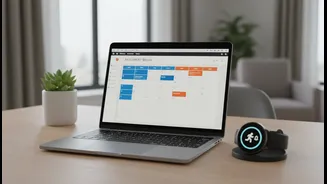
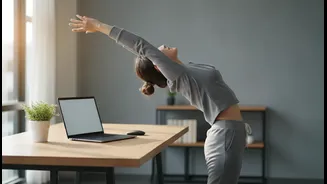
Turning intention into habit requires a simple, actionable plan. Here are practical ways to weave movement into your daily routine: • Set a Timer: Use your phone or a simple app to remind yourself to get up every 30 to 60 minutes. When the timer goes off, stand up, stretch, or walk around for a few minutes. • Rethink Your Meetings: Propose walking meetings for one-on-ones or small group discussions. If you're on a conference call, stand up and pace around the room. Standing meetings also tend to be shorter and more focused. • Master Desk Stretches: You don't even have to leave your chair. Perform simple stretches like seated spinal rotations, shoulder shrugs, and neck rolls to relieve tension. For your lower body, try seated leg lifts or ankle circles. • Hydrate and Walk: Make a habit of walking to get water. Not only does it force you to get up, but staying hydrated is also crucial for overall health and energy levels. • Choose the Inefficient Route: Park further away from the entrance, take the stairs instead of the elevator, or use a restroom on a different floor. These small choices add up throughout the day.
Design Your Workspace for Movement
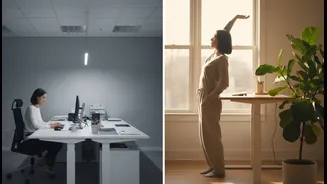
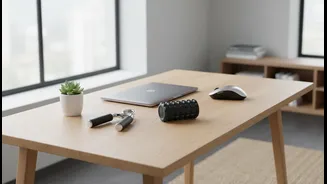
Your environment plays a huge role in your behavior. A few strategic tweaks to your workspace can naturally encourage more activity. Consider a height-adjustable or standing desk that allows you to easily switch between sitting and standing. Even alternating for 30 minutes at a time can make a difference. If a new desk isn't an option, find ways to create standing opportunities, like placing your laptop on a high counter for certain tasks. Active seating, such as a balance ball chair or a wobble stool, can also engage your core muscles even while you're sitting. You can also strategically place items you use frequently, like a printer or a file cabinet, further away from your desk to force you to get up and walk. These environmental cues make movement the easier, more natural choice.