


The Science of Slow Cooking
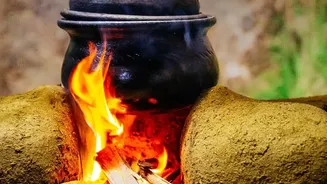
At the heart of clay pot cooking is a simple, powerful principle: slow and even heat. Unlike metal pans that heat up quickly and can create hot spots, porous clay distributes heat gently and uniformly. This slow-cooking process has a profound effect on
food. Because the heat is less aggressive, it helps to preserve the delicate nutrients in your ingredients. Heat-sensitive vitamins that can be destroyed by high-temperature cooking are better retained, meaning the food that reaches your plate is more wholesome.
An Infusion of Essential Minerals
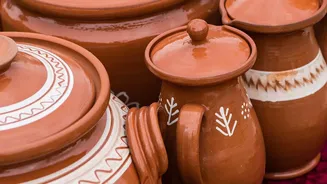
The headline's idea of 'restoring' minerals points to a fascinating interaction between the pot and the food. Unglazed clay pots are rich in naturally occurring minerals like calcium, phosphorus, iron, and magnesium. During the cooking process, a small amount of these essential minerals can leach into the food, subtly enriching your meal. Furthermore, because clay is naturally alkaline, it can help neutralize the acidity in foods like tomatoes or tamarind. This not only creates a milder, more balanced flavour but can also make the food easier to digest.
Superior Flavour and Moisture
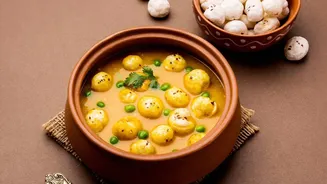
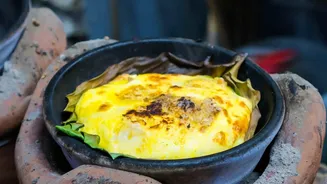
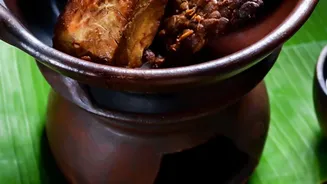
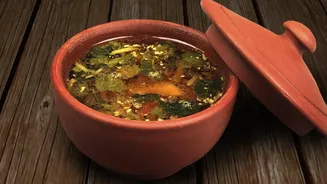
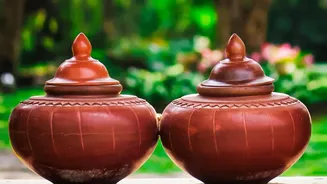
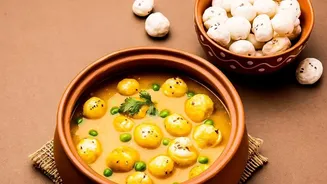
Anyone who has eaten a dish cooked in a clay pot, or 'manchatti' as it's known in parts of India, will attest to its unique flavour. The porous nature of clay allows it to absorb moisture and then circulate it as steam during cooking. This self-basting environment keeps food incredibly moist and tender without the need for excess oil or fat. It locks in the natural aromas and flavours, resulting in dishes that are more aromatic and deeply flavourful than those cooked in metal utensils. Meats become succulent, and vegetables retain their vibrant taste and texture.
A Tradition of Eco-Friendly Cooking
Choosing clay is also a vote for sustainability. Clay pots are made from a natural, renewable resource and are completely biodegradable. Unlike modern non-stick pans, which can release harmful chemicals like PFOA and PFAS when they degrade and end up in landfills for centuries, a broken clay pot can simply return to the earth. This makes it an incredibly eco-friendly choice for the modern kitchen, connecting your daily meals to a cycle of sustainability that has been practiced for generations.
Embracing Clay in Your Kitchen
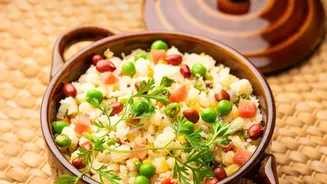
Adopting clay pot cooking is simple. These versatile vessels are perfect for slow-cooked dishes like dals, biryanis, and curries. Before the first use, it's essential to season the pot, which typically involves soaking it in water and then letting it dry, a process that strengthens the pot and prepares it for cooking. When cooking, always start with a low flame and gradually increase the heat to prevent cracking. And remember to never use soap for cleaning; the porous clay can absorb it. Instead, use hot water and a stiff brush.