




What is Food Literacy, Really?
For many, the term 'healthy eating' brings to mind a simple, often tedious, act: counting calories. But true food literacy goes far beyond that. It is the ability to obtain, understand, and apply nutrition information in our daily lives. Think of it as
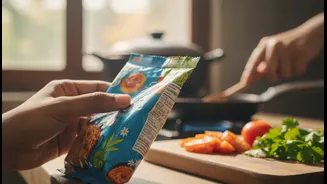
a practical life skill. It’s not just about knowing a salad is healthier than a samosa; it’s about understanding why, and having the skills to act on that knowledge. This includes the ability to plan meals, read and interpret confusing food labels, prepare food, and make informed choices despite the pressures of modern life. In India, where we face a dual burden of undernutrition and a rise in lifestyle diseases like diabetes and obesity, this skill is more critical than ever.
The Information Overload
Young Indians today are navigating a complex food environment. They are more health-conscious than previous generations, with a significant percentage actively reading nutrition labels and preferring sustainable options when affordable. Social media platforms like Instagram have become major sources for nutrition information, with influencers shaping food trends from matcha lattes to protein smoothie bowls. However, this digital deluge comes with its own challenges. While exposure is high, the quality of information can be inconsistent, and it often creates a gap between knowing and doing. Many young adults report being aware of concepts like 'balanced diets' and 'junk food', yet their daily habits are more influenced by convenience, stress, and what’s trending online. The constant stream of information can be overwhelming, making it difficult to distinguish between credible advice and marketing fads.
From Knowledge to the Kitchen
The journey from knowing what’s healthy to actually eating it is where food literacy is truly tested. A key finding from recent research is that food literacy among young Indians is often fragmented. Many may have knowledge in one area, like being aware of nutritional deficiencies, but lack practical skills in others, such as meal planning or cooking. Several factors widen this gap. Convenience is a huge driver, with food delivery apps making high-calorie meals available 24/7. Cost is another significant barrier; nearly a third of adolescents report they can't eat healthy foods because they are too expensive. Furthermore, taste preference remains a powerful motivator. A recent study by the ICMR-National Institute of Nutrition led to the development of India's first tool to assess food literacy, INFOLIT, which specifically measures both the 'knowing' and 'doing' aspects to address this gap.
Navigating Tradition and Modernity
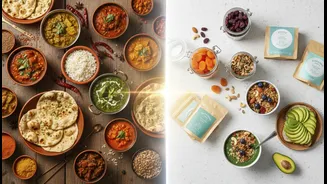
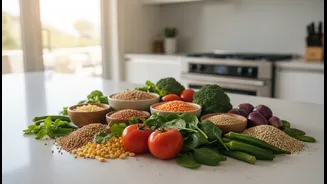
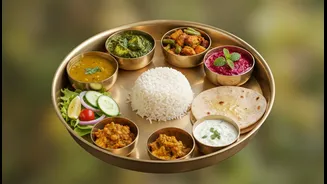
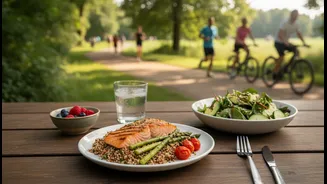
The Indian food landscape is a unique blend of deep-rooted traditions and rapid globalisation. For young adults, this means navigating the wisdom of 'ghar ka khana' alongside the lure of international fast-food chains. Many still live in multi-generational households where mothers are primarily responsible for cooking and meal-planning, limiting the young adult's control over food choices. While traditional Indian diets are often rich in lentils, whole grains, and vegetables, they can also be high in oil and ghee. Young people are increasingly blending these worlds, creating fusion snacks like quinoa chaat or giving traditional recipes a modern, healthier twist. This reflects a mature understanding of wellness, moving beyond simply replicating Western health trends to adapting them within an Indian cultural context.
Building a Food Literate Future
The consensus among public health experts is that simply providing information is not enough. To empower young Indians to make healthier choices, a multi-pronged approach is needed. This starts with integrating practical food literacy into school curricula, teaching skills like reading labels, understanding portion sizes, and basic cooking. It also involves creating supportive environments. This could mean better regulation of junk food advertising targeted at young people, where over 67% report being influenced by ads. It also means making healthy options more affordable and accessible. Studies show that when young adults are equipped with cooking skills and nutritional knowledge, they are more likely to change their behaviour for the better.