



Choose Your Destination Wisely
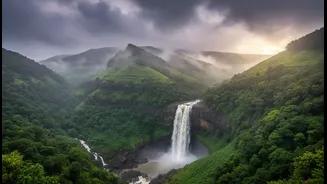
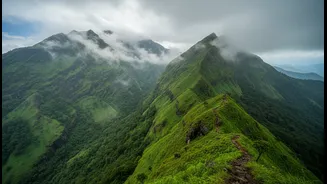
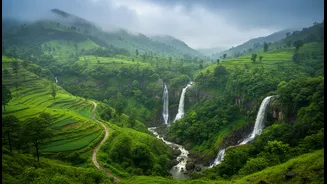
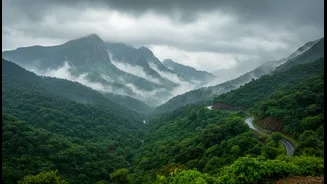
The Western Ghats are a 1,600-km long range, and not all areas are equally accessible or safe during heavy rains. For a classic monsoon experience, consider destinations known for their lush landscapes and good infrastructure. Places like Mahabaleshwar
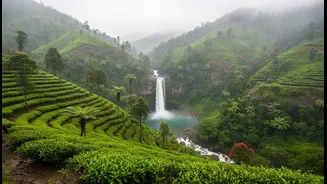
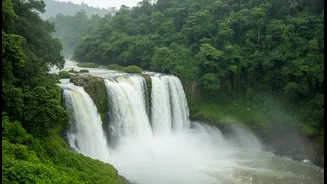
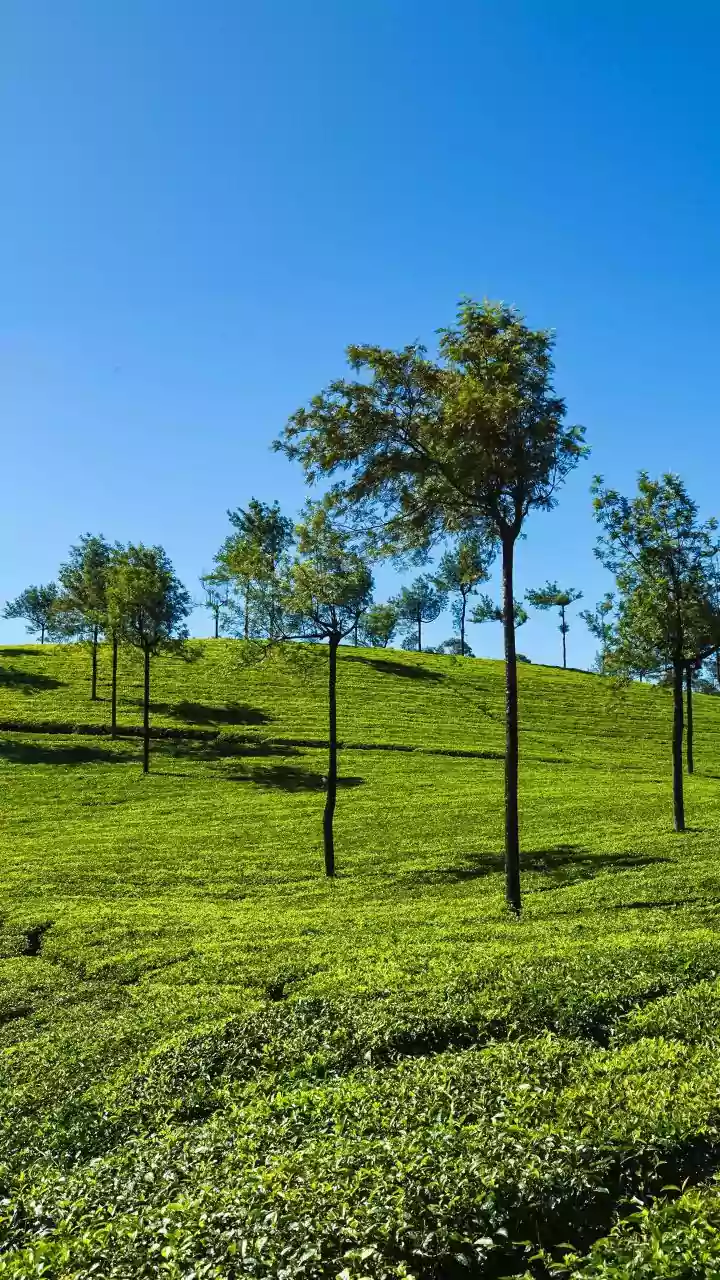
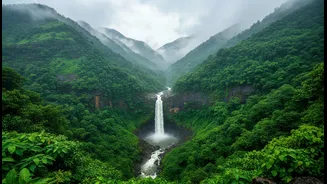
in Maharashtra offer scenic drives and misty viewpoints. In Karnataka, Coorg and Chikmagalur are famous for their coffee estates enveloped in fog, while Agumbe, which receives some of the highest rainfall, is a trekker's paradise with stunning waterfalls. Kerala's Wayanad becomes a haven of green with rainforest trails and eco-retreats. Many beginner-friendly treks, like Lohagad Fort in Maharashtra, have stone-paved paths that are manageable in the rain. Before you go, always check local weather advisories and avoid areas under red alert for heavy rainfall.
Pack Smart, Not Heavy
Monsoon packing is about choosing the right materials. Avoid cotton, which absorbs moisture and takes days to dry in high humidity. Instead, opt for quick-drying synthetic fabrics like polyester and nylon for your clothes. A lightweight, waterproof rain jacket or poncho is non-negotiable. For footwear, waterproof sandals with a good grip or trail runners are far better than closed shoes that trap water or slippery flip-flops. Carry a rain cover for your backpack and use dry bags or zip-lock pouches to double-protect electronics and documents. A microfibre towel, which dries quickly, is another essential. Given the humidity, also pack an antifungal powder and a reliable insect repellent.
Prioritise Safety on the Road and Trail
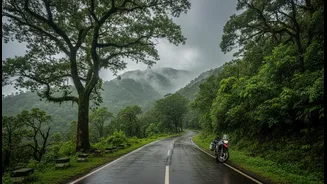
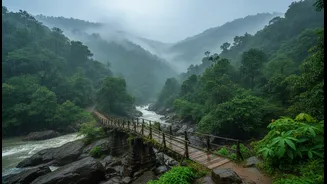
Driving during the monsoon requires extra caution. Reduce your speed significantly, as wet roads diminish tyre grip and increase braking distances. Always use your low-beam headlights, even during the day, to ensure you are visible to other drivers. Never attempt to drive through waterlogged areas if you cannot gauge the depth; it's often deeper than it looks and can cause your vehicle's engine to stall. When trekking, never go alone on unfamiliar trails and consider hiring a local guide who understands the terrain. Trails can become slippery and some streams may become uncrossable after heavy rain. Be especially cautious near waterfalls and cliff edges for selfies, as the ground can be unstable. Inform a friend or your hotel about your trekking plans before you head out.
Embrace a Slower Pace
The monsoon is not the time for a rushed itinerary. It's a season to slow down and savour the atmosphere. Spend an afternoon sipping hot chai while watching the rain from a cosy homestay. While waterfalls are at their peak, admire them from a safe distance rather than venturing into powerful currents. Instead of ambitious, long-distance treks, opt for shorter nature walks. A new wave of eco-tourism offers unique experiences like guided frog walks at night in places like Agumbe and Wayanad, where you can discover endemic amphibians that emerge only during this season. In parts of Maharashtra, you can even join firefly festivals, where thousands of fireflies light up the forests before the heavy rains begin.
Travel with Respect
The Western Ghats are a UNESCO World Heritage Site and a global biodiversity hotspot, but they are also a fragile ecosystem. Travelling the 'right way' means being a responsible tourist. Stick to marked trails to avoid disturbing delicate flora and fauna. Carry your litter back with you and leave no trace. This region is home to many local communities and indigenous groups; be respectful of their culture and privacy. Support the local economy by staying in locally-run homestays, hiring local guides, and buying local produce. This seasonal tourism creates a 'rain economy' that helps communities thrive and provides an incentive for conservation.