
In the art of setting a table, small details make all the difference. Beyond colour and layout, texture is the secret ingredient that adds depth and character, turning a simple meal into a memorable occasion.
Why Texture Matters in Design
Texture is the feel or appearance of a surface,
and it plays a crucial role in making a space feel dynamic and complete. In interior design, a room without varied textures can feel flat or one-dimensional. By introducing different tactile elements, you create visual interest that draws the eye and invites touch. Think of a smooth leather sofa paired with a chunky knit throw—the contrast is what makes the combination so appealing. The same principle applies to your dining table. Mixing materials like cool glass and warm metal creates a layered, sophisticated look that feels intentional and thoughtfully curated.
The Timeless Allure of Ribbed Glass
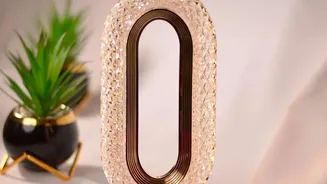
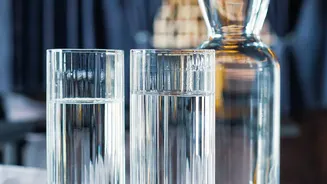
Ribbed glassware, also known as fluted or reeded glass, has a rich history with roots in the Art Deco period. Its signature vertical grooves create an elegant play of light, making even a simple glass of water look refined. The texture not only looks beautiful but also provides a pleasant tactile experience, making the glass comfortable to hold. This style is incredibly versatile; it can feel vintage in one setting and strikingly modern in another. Whether you opt for clear, amber, or smoke-coloured glass, the undulating lines add a touch of subtle drama and sophistication to any tablescape.
The Rustic Elegance of Hammered Metal
Hammered metal brings a different kind of texture to the table—one that speaks of craftsmanship and earthy charm. Each small indentation on the surface is designed to catch and reflect light, creating a gentle shimmer that is both rustic and elegant. Unlike perfectly smooth, polished metal, a hammered finish feels organic and unique. These bowls are often used as statement centerpieces for holding fruit or as serving dishes for salads and snacks. The texture works beautifully in various finishes, from the cool lustre of stainless steel to the warm glow of brass or copper, adding a touch of modern art deco style.
How to Combine Glass and Metal
The key to successfully mixing textures is balance. You don’t want to overwhelm the senses with too many competing elements. Start with a neutral foundation, like a simple linen tablecloth or placemats. Let the ribbed glassware and hammered metal pieces be your statement textures. For example, pair tall, fluted water glasses with a large hammered metal bowl as a centerpiece. The contrast between the crisp, vertical lines of the glass and the organic, dimpled surface of the bowl creates a harmonious visual dialogue. Stick to a cohesive colour palette to tie the different materials together. The cool tones of clear glass and silver metal work beautifully for a modern look, while amber glass and gold-toned metal create a warmer, more dramatic atmosphere.
Beyond the Dining Table
The beauty of these textures isn't confined to the dining room. You can extend this sophisticated look throughout your home. A fluted glass vase on a mantelpiece or a hammered metal tray on a coffee table can echo the theme and create a cohesive design story. Ribbed glass is also a popular choice for lighting fixtures, cabinet doors, and even shower screens, where it provides both style and a degree of privacy. Similarly, small hammered metal accessories can add a touch of elegance to a bookshelf or side table. By repeating these elements in subtle ways, you build a layered and professionally styled space.