








The Promise of Pears
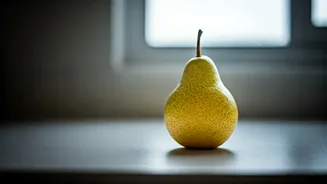
Pears are celebrated for being packed with nutrients, but their potential role in digestive health is particularly interesting. The claim that they can combat bloating isn't just an old wives' tale; it's rooted in their unique nutritional makeup. A single
medium-sized pear is a powerhouse of vitamins and, most importantly, dietary fiber. Traditional remedies in some cultures have long used pears to soothe digestive complaints, from constipation to inflammation. But to understand if they can truly help with bloating, we need to look at what's inside.
The Power of Fiber
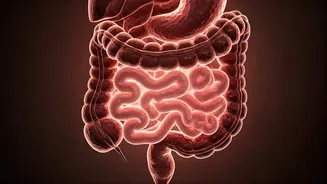
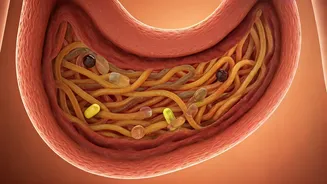
The primary weapon pears wield against bloating is fiber. A medium pear contains about 6 grams of fiber, which is over 20% of the recommended daily intake for adults. Pears contain both soluble and insoluble fiber, which work together for digestive harmony. Insoluble fiber adds bulk to stool, helping it move through the intestines more efficiently and preventing constipation—a major cause of bloating. Meanwhile, soluble fiber, particularly a type called pectin, forms a gel-like substance in the gut. This not only helps soften stool but also nourishes beneficial gut bacteria, promoting a healthy microbiome that is less prone to gas and discomfort.
A Word of Caution: FODMAPs and Sugars
Here's where it gets complicated. While the fiber in pears can be a bloat-buster for some, for others, pears can be a primary trigger for the very same issue. The reason lies in their sugar content, specifically fructose and a sugar alcohol called sorbitol. Both are classified as FODMAPs (Fermentable Oligosaccharides, Disaccharides, Monosaccharides, and Polyols). For individuals with sensitivities, like those with Irritable Bowel Syndrome (IBS), these sugars are not well absorbed in the small intestine. They travel to the large intestine where they ferment, drawing in water and producing gas, which leads to significant bloating, cramping, and discomfort.
So, Do Pears Help or Hurt?
The answer truly depends on you and the root cause of your bloating. If your bloating stems from irregularity and constipation, the high fiber and water content in pears may provide significant relief by getting your digestive system moving. The natural sorbitol in pears also has a mild laxative effect, which can further help. However, if you are sensitive to FODMAPs or have a condition like IBS, eating a pear could make your symptoms much worse. The key is to understand your own body's triggers. If you're unsure, a doctor or registered dietitian can help you navigate a low-FODMAP diet to identify sensitivities.
The Right Way to Eat Pears
If you want to test whether pears can help your bloating without causing a flare-up, start small. Don't eat a whole large pear at once; try a few slices and see how you feel. To maximize the fiber benefits, be sure to eat the skin, as it contains a significant amount of the fruit's fiber and antioxidants. Pairing the pear with a source of protein or healthy fat, like a handful of nuts or a dollop of yogurt, can help slow the absorption of its sugars. For those who are sensitive, stewing or cooking pears can make them easier to digest, as the cooking process breaks down some of the sugars and fibers that can cause issues.
Beyond Pears: Other Bloat-Busting Tips
While pears can be a useful tool, they are not a magic cure. Combating bloating often requires a holistic approach. Staying well-hydrated is crucial, as water helps fiber do its job effectively. Chewing your food thoroughly, eating slowly, and avoiding carbonated beverages can also prevent you from swallowing excess air, a common cause of bloating. Gentle exercise, like walking or yoga, can help stimulate the digestive system and release trapped gas. Incorporating other bloat-friendly foods like ginger, peppermint, and bananas may also provide relief.