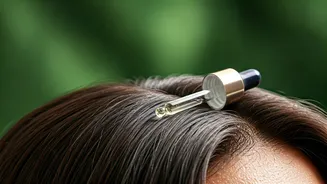









Why Monsoon Magnifies Hair Fall
Before we dive into remedies, let's understand the enemy: humidity. During the monsoon, the air is saturated with moisture. Your hair, which is porous, absorbs this excess moisture, causing the hair shaft to swell. This makes it weak, brittle, and prone
to breakage. Furthermore, the constant dampness and sweating create a perfect environment on your scalp for fungal infections and dandruff, both of which can exacerbate hair shedding. Your hair essentially gets weighed down and your scalp gets irritated, leading to the increased hair fall you notice.
1. Nourish From Within
Topical treatments are only half the battle. Your hair needs internal support to withstand environmental stress. Ensure your diet is rich in protein (the building block of hair), iron (to carry oxygen to hair follicles), and biotin. Incorporate foods like eggs, spinach, lentils (dal), nuts, and seeds into your daily meals. A handful of almonds or walnuts as a snack can make a significant difference. Vitamin C is also crucial as it aids iron absorption, so don't skip your citrus fruits and leafy greens.
2. Revisit Your Oiling Ritual
While champi is a timeless tradition, your monsoon oiling routine needs a slight adjustment. Heavy oils left overnight can mix with sweat and clog your pores, worsening scalp issues. Instead, opt for lighter oils like coconut or almond oil. Warm it slightly and gently massage it into your scalp for 10-15 minutes, focusing on stimulating circulation. Wash it off within one or two hours. This provides necessary nourishment without creating a greasy, infection-prone environment.
3. Keep Your Scalp Clean and Healthy
A clean scalp is non-negotiable during the monsoon. Sweat, oil, and rainwater can create a nasty buildup. Wash your hair at least two to three times a week with a gentle, sulphate-free shampoo to avoid stripping natural oils. If you get caught in the rain, make it a point to wash your hair as soon as possible, as rainwater can be acidic and dirty. For extra protection against fungal issues, look for shampoos with ingredients like ketoconazole or use a natural anti-fungal rinse with neem-infused water after shampooing.
4. The Power of a DIY Hair Mask
Give your hair a weekly strengthening treatment with a simple, homemade mask. A popular and effective option is a fenugreek (methi) seed mask. Soak a few tablespoons of methi seeds overnight, grind them into a paste, and apply it to your scalp and hair. Leave it on for 30 minutes before washing. Methi is rich in protein and nicotinic acid, which are known to fortify hair follicles. Alternatively, a simple mask of yogurt (dahi) and a teaspoon of lemon juice can help cleanse the scalp and provide a protein boost.
5. Handle Wet Hair with Extreme Care
Your hair is at its absolute weakest when wet. Tying it up or combing it aggressively in this state is a direct invitation for breakage. After washing, gently squeeze out excess water with a soft microfibre towel instead of a coarse cotton one. Avoid rubbing your hair vigorously. Let your hair air-dry as much as possible and use a wide-toothed comb to detangle, starting from the ends and working your way up to the roots. Never tie your hair in a tight bun or ponytail when it's damp, as this traps moisture and promotes scalp infections.