



From Hectic to Unhurried
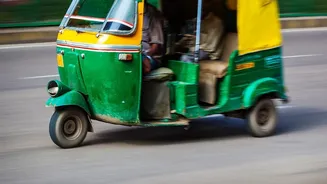
The traditional Indian weekend getaway often feels like a race against time. It’s a blur of early morning alarms, long drives, a mad dash to tick off three viewpoints, two temples, and that one famous cafe before collapsing into a hotel bed, only to do
it all again the next day. This model of “checklist tourism” is leaving many travellers, particularly young professionals, feeling more burnt out than when they left. The pressure to see and do everything often means you experience nothing at all, returning to the work week with a camera roll full of photos but a distinct lack of genuine rest or connection. This shared feeling of travel fatigue is driving a significant shift in mindset.
The Antidote to Digital Burnout
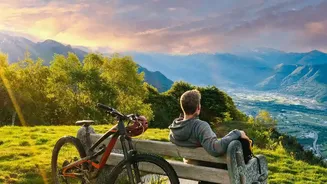
At its core, slow travel is a conscious choice to prioritise depth over distance. It’s not about laziness; it’s a philosophy rooted in mindfulness and intention. For a generation grappling with high levels of workplace burnout and the constant pressure of being online, this approach has become a powerful form of self-care. Instead of accumulating experiences to post, the goal is to fully immerse yourself in the present moment. This might mean spending an entire afternoon at a local cafe, taking a walk without a map, or learning about a local craft from an artisan. It’s a chance for the nervous system to genuinely recover, lower stress levels, and find a sense of calm that a rushed itinerary can never provide.
What Slow Weekends Look Like
Applying the slow travel ethos to a weekend might seem counterintuitive, but it’s surprisingly simple. Instead of trying to cover a whole region, young travellers are choosing to explore a single place deeply. This often involves swapping hotels for homestays or farm stays, where the experience is more personal and rooted in the local way of life. A slow weekend near Mumbai might involve staying at a farm in Karjat, learning about organic farming and enjoying Malvani cuisine. Near Bengaluru, it could be a stay at a coffee plantation in Coorg or a quiet retreat in the Nilgiris. The focus shifts from seeing to being—enjoying home-cooked meals, exploring a village on foot, or simply reading a book on a veranda with no agenda. It’s about returning with stories, not just souvenirs.
Connection Over Clicks
This trend also reflects a changing value system. For many young Indians, the appeal of a perfectly curated Instagram grid is fading, replaced by a desire for authentic, personal experiences. Slow travel is about forging a genuine connection—with the place, its people, and oneself. It’s about the joy found in unplanned moments and the small details: the taste of local food, the sound of a regional dialect, or the rhythm of life in a place untouched by mass tourism. This shift is fuelling interest in destinations that offer cultural immersion and natural beauty, from the Himalayan villages of Uttarakhand and Himachal Pradesh to the serene backwaters of Kerala and the quiet coastal towns of Puducherry.