







What Goes Up Must Come Down
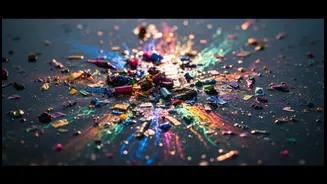
Every firework that explodes releases more than just light and sound. It disperses a cloud of fine particulate matter, along with the unburnt chemical components and physical debris from its casing. These materials don't just vanish. They settle out of the atmosphere,
coating streets, rooftops, soil, and plants. This fallout contains a variety of substances, from partially burned fuels and metal salts to charred bits of paper and plastic. While air pollution from fireworks is a well-known concern, this settled residue presents a different, more insidious problem, especially when rain enters the picture.
A Chemical Cocktail in the Runoff
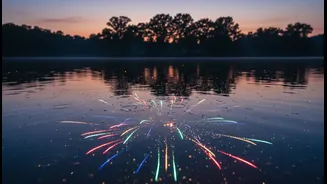
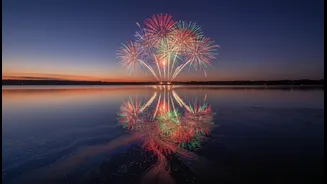
The brilliant colours of fireworks are produced by burning various metal salts: strontium for reds, barium for greens, and copper for blues, for example. Alongside these, a key ingredient in many fireworks is perchlorate, a chemical compound used as an oxidizer to help the firework explode. When it rains after a fireworks display, water flows over the ground, picking up these residues. This runoff carries a concentrated mix of heavy metals and perchlorates into storm drains, which often lead directly to local rivers, lakes, and groundwater sources. Studies have confirmed that water bodies near firework display sites show elevated concentrations of these pollutants shortly after events.
The Journey from Street to Stream
The process is straightforward but damaging. Residue containing perchlorates, heavy metals like manganese and potassium, and other organic compounds settles on impermeable surfaces like roads and pavements. A rainstorm then washes these pollutants into the drainage system. This contaminated water can directly enter surface water bodies. Research shows that this debris can significantly alter water chemistry. In a study conducted in Kerala, India, after festival fireworks, soil and water samples were found to be contaminated with perchlorate, highlighting the direct link between celebratory displays and environmental pollution. Similar findings at Mount Rushmore in the U.S. showed that years of fireworks displays were the probable cause of perchlorate contamination in nearby groundwater and streams.
Ripple Effects on Water Quality and Ecosystems
The introduction of these chemicals into aquatic environments is far from harmless. Perchlorate is known to interfere with thyroid function in animals and humans, and its presence in water can disrupt the development and reproduction of fish and amphibians. Heavy metals can be toxic to aquatic life, even at low concentrations. Recent studies have found that firecracker residue can release metal ions and other compounds that disturb microbial communities, which form the base of the aquatic food web. Furthermore, the physical debris, such as plastic casings, contributes to microplastic pollution and can be mistaken for food by birds and marine animals, causing injury or death.
Looking Beyond the Smoky Skies
The focus on fireworks pollution has historically been on air quality, with cities often shrouded in a toxic haze after major celebrations like Diwali. However, the scientific evidence makes it clear that the environmental impact doesn't end there. The water contamination pathway represents a longer-lasting and less visible threat to ecosystems and potentially to drinking water sources. Recognising this link is the first step toward mitigation. Simple measures, such as properly cleaning up all firework debris immediately after a display, can prevent many of these pollutants from ever reaching the water. As awareness grows, communities can better balance the joy of celebration with the responsibility of protecting vital water resources for the future.