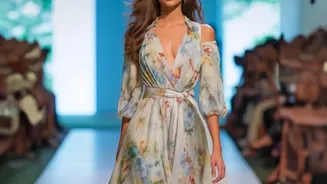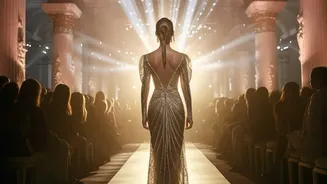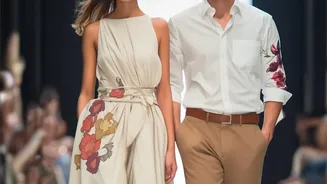


A New Dimension for Haute Couture
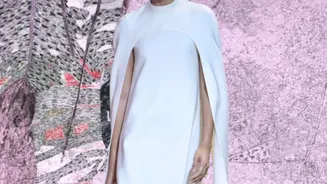
The traditional fashion show is a well-established ritual: an exclusive audience watches models walk a linear path. But the latest Paris Haute Couture Week saw pioneers challenge this very foundation. Instead of just broadcasting a livestream, certain
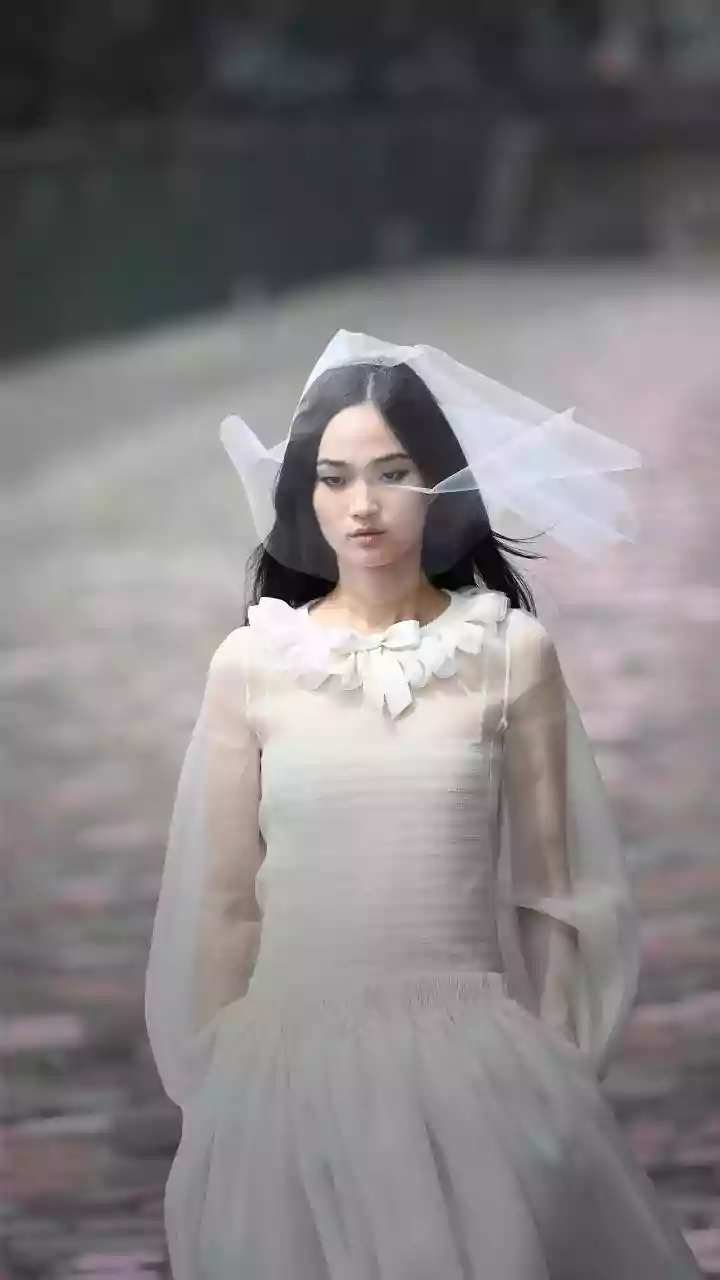
houses are now building fully immersive digital environments. Using virtual reality (VR) headsets or advanced augmented reality (AR) apps, audiences are no longer passive viewers. They can navigate a virtual show space, walk around digital avatars or models, and inspect the intricate details of a garment from any angle they choose. Imagine stepping onto a runway that looks like a surrealist dreamscape or examining the beadwork on a gown as if you were holding it in your hands. This is the new reality of couture.
The Technology Behind the Trend
This leap from viewer to participant is powered by a convergence of gaming engine technology, VR, and AR. Brands are collaborating with tech firms to create these 'digital twins' of their collections and show spaces. VR headsets offer the most immersive experience, completely replacing a user's surroundings with a computer-generated world where they can move freely. AR, on the other hand, overlays digital elements onto the real world through a smartphone or smart glasses. This could mean a holographic model appears in your living room wearing the latest collection, or you can use an app to see how a couture piece might look on your own body. These technologies are not just for show; they allow for a new level of creative expression and audience engagement that was previously impossible.
From the Front Row to the Forefront
While the idea has been building for years, pioneers like Iris van Herpen have long blended technology and fashion, using 3D printing and computational design to create otherworldly garments. Her work set the stage for this broader shift. Now, major luxury houses are following suit, seeing the potential to tell deeper stories. During the most recent couture season, several brands experimented with these formats. Some created ticketed virtual events that offered unprecedented access, while others developed freely accessible AR filters and virtual showrooms. This move isn't just about reaching a wider audience; it's about providing a richer, more personal experience for a new generation of luxury consumers who expect digital interaction.
More Than Just a Gimmick?
While the novelty is exciting, the shift toward interactive shows has profound implications. For designers, it opens up limitless creative possibilities, allowing them to build worlds that are not constrained by physics or budget. For the industry, it's a step toward sustainability; virtual shows reduce the immense carbon footprint associated with flying editors, buyers, and influencers across the globe for a 15-minute event. However, challenges remain. High-quality VR production is expensive, and not everyone has access to the required headsets, creating a new kind of digital divide. The key will be for brands to use the technology not as a gimmick, but as a genuine tool for enhancing craftsmanship and storytelling.
The Democratization of Dreams
Haute couture has always been built on exclusivity and aspiration. By making shows 'walkable' and universally accessible, are brands risking the very mystique that makes couture so special? The consensus seems to be no. Instead, this technological shift represents the democratization of the dream, not the product itself. Few can afford a handmade gown, but millions can now experience its artistry and the fantasy behind it in a deeply personal way. It allows fashion to function more like art—something that can be appreciated by all, even if owned by a few. This transition moves couture from being a closed-off ceremony for the elite to a global cultural event where everyone is invited to participate.