





Your Secret Weapon for Monsoon Packing
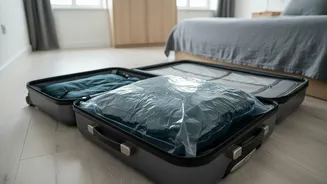
Vacuum compression bags are reusable plastic bags with a one-way valve that allows you to remove excess air, dramatically shrinking the volume of soft goods. For rainy season trips, this is revolutionary. That bulky waterproof jacket, the extra set of synthetic
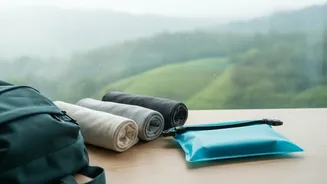
clothes, and the fluffy towel can be compressed to a fraction of their original size. This allows you to stick to carry-on luggage, avoiding checked bag fees and long waits at the carousel. Beyond just saving space, these bags offer another critical benefit for monsoon travel: they are waterproof. This means your packed clothes are protected from external moisture, whether from a leaky backpack or a sudden downpour.
A Step-by-Step Guide to Smart Compression
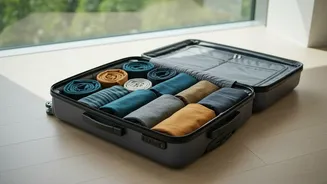
Using these bags effectively is simple, but a few key steps make all the difference. First, choose the right clothes. Sturdy synthetic fabrics, cottons, and rain gear are perfect candidates. Avoid packing delicate materials like silk, leather, or heavily structured blazers, as the intense compression can cause permanent damage or deep wrinkles. Next, fold or roll your items neatly before placing them inside the bag. Rolling is often preferred as it can help minimise creasing. Don't overfill the bag; leave enough space near the zip closure to ensure a perfect seal. Once sealed, you'll need to remove the air. There are two main types of bags: those that require a small hand pump or portable electric pump, and roll-up bags where you manually push the air out. For travel, a portable pump is often more effective and convenient.
The Weight vs. Space Equation
Here's the most important thing to remember: compression bags reduce volume, not weight. While you can now fit more items into your carry-on, you still need to adhere to the airline's weight restrictions. It's easy to get carried away and pack a bag that looks deceptively light but is actually over the limit. Before you head to the airport, weigh your packed carry-on. The goal is to pack smarter by fitting in necessary but bulky items like rain gear, not necessarily to pack more clothes. This hack helps you carry the essentials without needing a bigger suitcase.
Navigating Airport Security
A common concern for travellers is how airport security will handle vacuum-sealed bags. The good news is that they are generally allowed in both carry-on and checked luggage. However, security officers may need to open a bag for inspection if its contents are too dense to be clearly identified by the scanner. This is another reason a portable pump is a great travel companion; if your bag is opened, you can easily re-compress it before heading to your gate. Keeping the pump in your carry-on ensures you’re prepared for any inspections.
Managing Wrinkles and Damp Clothes
The primary downside to compression is wrinkles. Tightly compressed fabrics are prone to creasing. To combat this, roll clothes instead of folding them and unpack as soon as you reach your destination. For a rainy season trip, you can also use a bag exclusively for damp clothes on your return journey. Packing a spare empty bag allows you to isolate any wet raincoats or towels from your clean, dry clothes, preventing mildew and odours from spreading throughout your luggage. Just be sure to unpack and dry everything thoroughly once you get home.