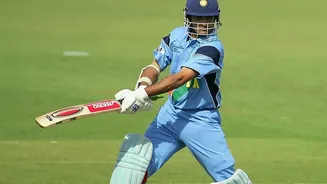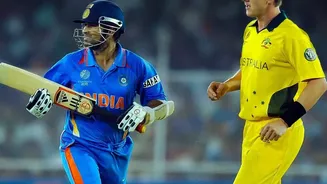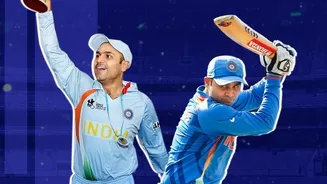

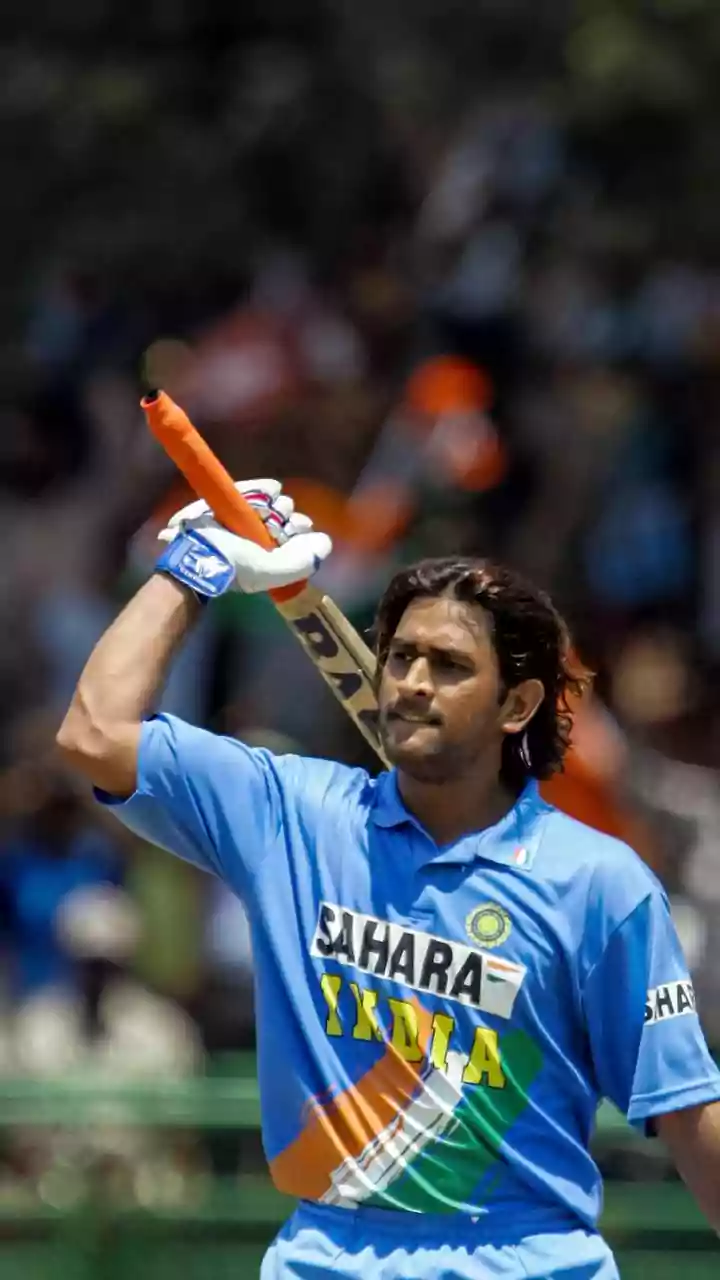




In early 2012, with the Indian cricket team still reeling from a Test series thrashing in Australia, a fresh controversy erupted. A clash between captain MS Dhoni and senior opener Virender Sehwag over a new rotation policy burst into public view.
A Tour Turns Sour
The
stage for the conflict was the 2012 Commonwealth Bank Series, a triangular one-day international tournament featuring India, Australia, and Sri Lanka. Team India entered the series under immense pressure. They had just been whitewashed 4-0 in the preceding Test series, a result that had dented morale and led to widespread criticism. The team, full of celebrated veterans, was suddenly looking vulnerable. Captain MS Dhoni, known for his calm demeanour, was facing intense scrutiny over the team's overseas performance. Something had to change, and for Dhoni, that meant making some hard calls for the future.
Dhoni's Rotation Rationale
Dhoni unveiled a 'rotation policy' for the series, announcing that only two of the three senior openers—Sachin Tendulkar, Virender Sehwag, and Gautam Gambhir—would play in any given match. The stated reasons were twofold. Firstly, it was to give younger players more opportunities on the big Australian grounds, with an eye on building a team for the 2015 World Cup. Secondly, and more controversially, Dhoni publicly stated that the senior trio were relatively slow fielders and playing all three would cost the team around 20 runs in the field. On the vast Australian outfields, he argued, agility and speed were paramount.
Sehwag and Gambhir Push Back
The explanation did not sit well with the senior players. The issue exploded when Sehwag, during a press conference, directly contradicted his captain. He claimed the players were never told that their fielding was the reason for the rotation. According to Sehwag, the management had communicated that the policy was about giving youngsters a chance. This public airing of different narratives pointed to a serious communication gap within the team. Gautam Gambhir, the third opener in the rotation, would later call the policy 'complete crap', especially since Dhoni abandoned it for must-win games, playing all three seniors when the team's back was against the wall.
A Captain's Unpopular Vision
From Dhoni's perspective, the move was a necessary, albeit unpopular, step in the team's evolution. It wasn't the first time he had made such a call; in 2008, he had overseen the phasing out of Sourav Ganguly and Rahul Dravid from the ODI setup to build a younger, more athletic unit. That move had paid off, culminating in the 2011 World Cup victory. Dhoni was once again looking ahead, prioritising fielding and future-proofing the team over the reputations of established stars. His decision, while causing friction, was rooted in a strategic vision for where he wanted Indian cricket to go.
The Public Fallout
The conflicting statements from the captain and vice captain (Sehwag) created a media firestorm and gave the impression of a divided dressing room. The Board of Control for Cricket in India (BCCI) was forced to step in, reportedly telling the team to present a united front and avoid such public disagreements. While both Dhoni and Sehwag later downplayed the severity of the rift, with Sehwag even dismissing it as media speculation, the episode left a lasting mark. It exposed the underlying tensions between a captain determined to assert his authority and a group of proud, senior cricketers fighting for their place in the side.