
A Mission to Earth's 'Evil Twin'
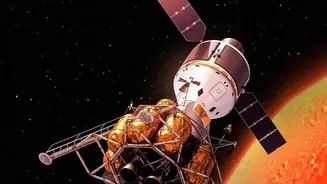
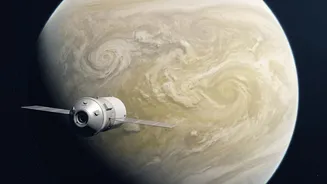
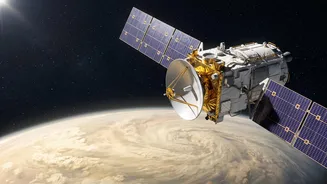
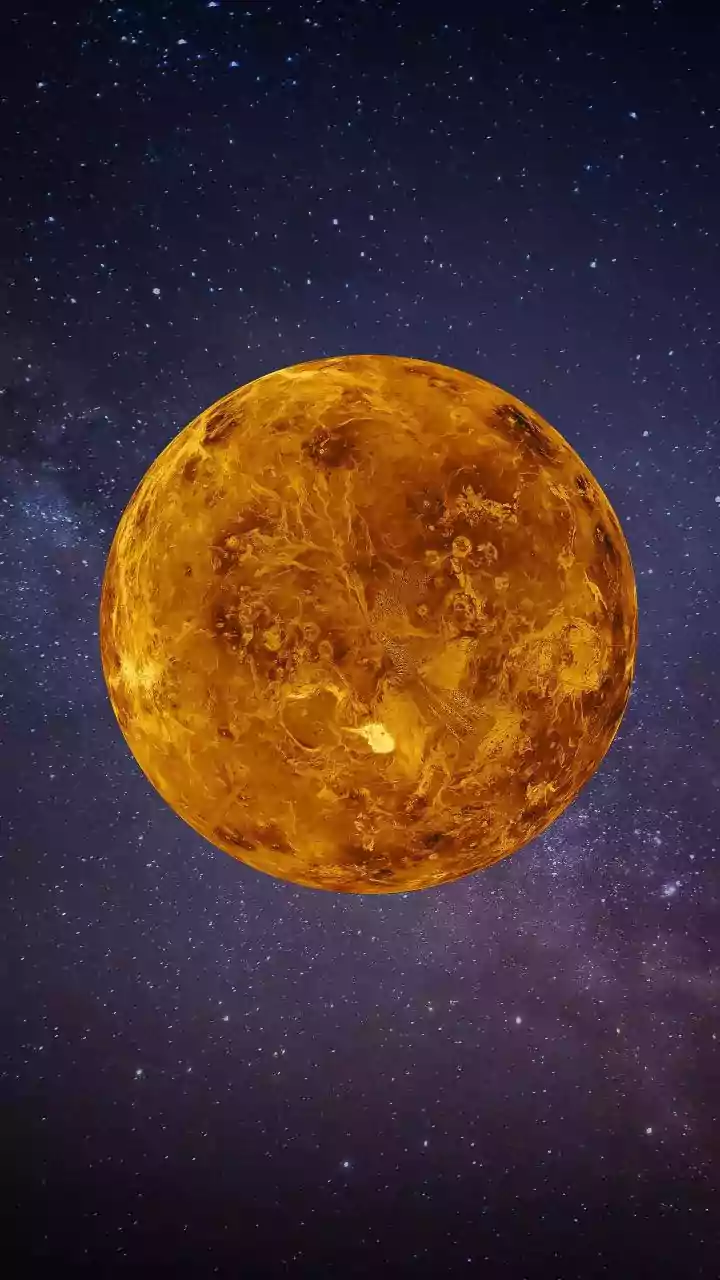
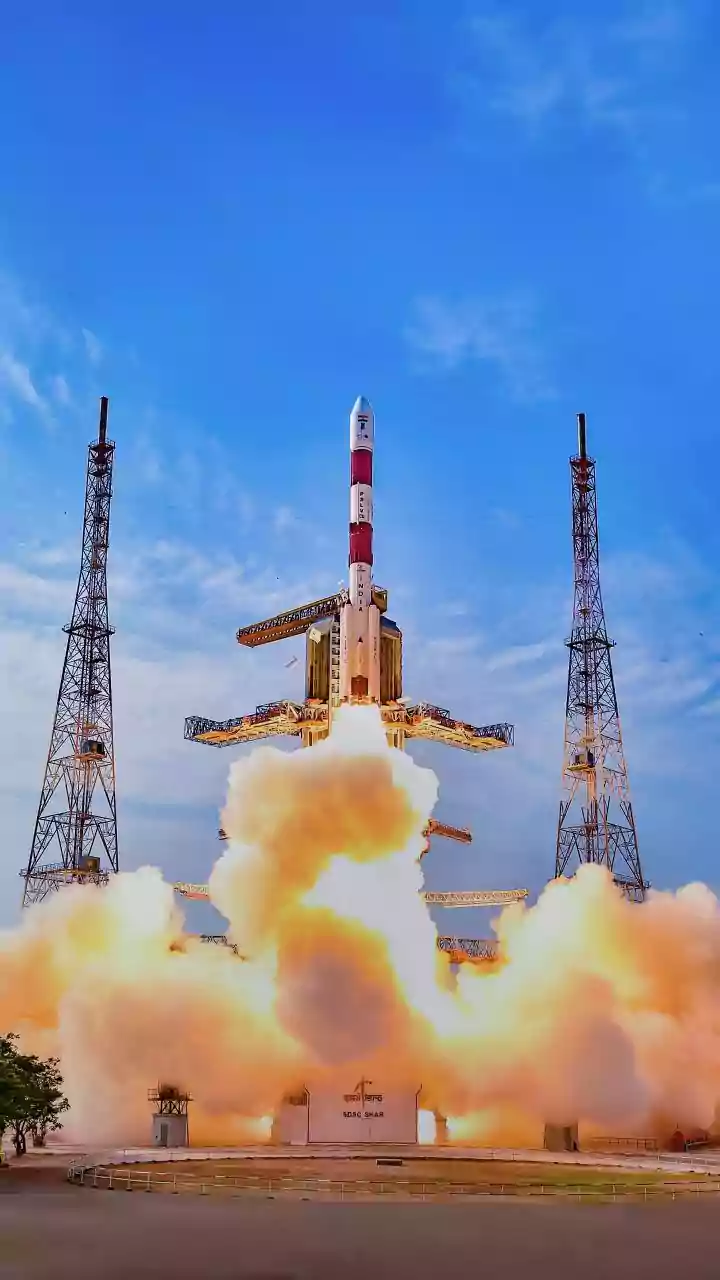
After successful missions to the Moon and Mars, the Indian Space Research Organisation (ISRO) is setting its sights on Venus. Scheduled for a March 2028 launch, the Shukrayaan-1 mission represents India's first dedicated journey to the second planet from
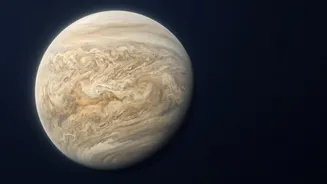
the Sun. Venus is a planet of extremes: its surface temperature is hot enough to melt lead and its atmospheric pressure is over 90 times that of Earth's. Scientists believe it may have once hosted liquid water before a runaway greenhouse effect transformed it into a scorching, inhospitable world. By studying Venus, Shukrayaan-1 will provide a natural laboratory for understanding how planetary climates evolve, offering crucial insights that could help refine climate models here on Earth.
The All-Seeing Radar Eye
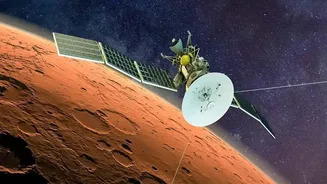
The single biggest challenge in studying Venus is its permanent, planet-wide cloud cover made of sulfuric acid. To overcome this, Shukrayaan's flagship instrument is a high-resolution Synthetic Aperture Radar (SAR). Unlike optical cameras that need light and a clear view, radar works by sending radio waves to the surface and interpreting the echoes that bounce back. This allows it to “see” through the dense clouds, day or night, in any weather. ISRO's SAR is an improved version of the one used on the Chandrayaan-2 lunar orbiter and is expected to have a resolution up to four times better than that of NASA’s Magellan orbiter from the 1990s. This powerful radar will be essential for mapping the Venusian surface in detail, revealing volcanoes, mountains, and craters hidden beneath the clouds.
Peering Beneath the Surface
Shukrayaan-1 will go a step further than just mapping the surface; it will also be the first mission to map the planet’s subsurface. It is expected to carry a ground-penetrating radar, an instrument designed to investigate the shallow subsurface stratigraphy. This technology will allow scientists to study rock layers and geological structures below the ground, offering clues about the planet's volcanic history and evolution. By creating the first-ever subsurface radar maps of Venus, ISRO hopes to uncover secrets about the processes that shaped the planet over billions of years, providing a more complete geological picture than ever before.
Analysing the Toxic Atmosphere
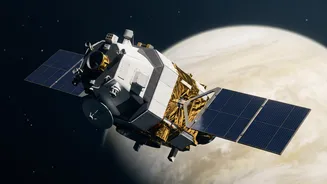
While radar pierces the clouds, a host of other instruments will study the atmosphere itself. The orbiter will carry a suite of spectrometers capable of analysing atmospheric chemistry in different wavelengths, from infrared to ultraviolet. One key payload, developed in collaboration with Russia and France, is the Venus Infrared Atmospheric Gases Linker (VIRAL), which will study the composition of the atmosphere. Another instrument, the Venus Thermal Camera (VTC), will map thermal emissions to understand atmospheric dynamics and cloud movements. The orbiter is also equipped with sensors to detect lightning and analyse the Venusian ionosphere, giving a comprehensive overview of the planet's complex and turbulent weather systems.
A Global Scientific Effort
Shukrayaan-1 is not just an Indian mission but a global collaboration, highlighting ISRO's growing role as a trusted partner in deep-space exploration. The spacecraft will carry approximately 100 kg of scientific instruments, with contributions from several international agencies. Sweden is providing the Venusian Neutrals Analyser (VNA), an instrument designed to study how the solar wind interacts with the planet's atmosphere. This collaboration aims to understand the process of atmospheric escape, which could explain why Venus lost its water and evolved so differently from Earth. Germany is also collaborating on a payload to study the atmosphere's thermal structure, while Russia contributes to the VIRAL instrument. These partnerships bring shared expertise and enhance the mission's scientific output.