





The Nature of Post-Monsoon Rain
A 'chance of rain' in September is different from a mid-monsoon downpour. The heavy, continuous rains of July and August typically ease by this month. Instead, you're more likely to encounter short, intense showers, often in the afternoon. Look at the hourly
forecast, not just the daily summary. This helps you plan sightseeing for the clearer morning hours. Also, check the total expected rainfall in millimetres. A forecast of 5-10 mm might mean a brief shower you can wait out, whereas 30-50 mm could signify a more disruptive spell that affects travel plans.
Landslide and Road Status Alerts
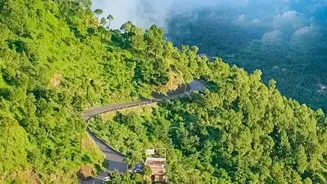
This is arguably the most critical piece of information for a September hill holiday. Months of monsoon rain leave the soil saturated, making slopes unstable. Even without active rain, landslides can occur. In early September 2026, active monsoon conditions were still causing road blockages in states like Himachal Pradesh and Uttarakhand. Before you travel, and each morning of your trip, check official sources and local news for road closures or landslide warnings on your route. Many areas known for landslides, such as the Kullu-Manali corridor or the highways to Nainital and Mussoorie, require extra caution this time of year. A buffer day in your itinerary is a wise precaution.
The Day-to-Night Temperature Plunge
Mountain weather is famous for its dramatic temperature swings, and September is no exception. A sunny afternoon can feel warm, with temperatures in the low 20s Celsius, but evenings and nights can get surprisingly cold, dropping by 10-15 degrees. This is especially true at higher altitudes. A forecast showing a high of 22°C and a low of 8°C means you need to pack in layers. Relying on a single heavy jacket is a common mistake. Instead, bring a combination of t-shirts, a fleece or light sweater, and a windproof/waterproof outer jacket. This allows you to adapt as the day gets warmer or cooler.
Humidity Levels and 'Real Feel'
September still carries residual monsoon humidity, which can be quite high, often hovering around 70-80%. This affects how the temperature actually feels. A 25°C day can feel much warmer and muggier when humidity is high. Check the 'real feel' or 'feels like' temperature in your weather app. High humidity also means that clothes take longer to dry, so pack quick-drying fabrics over cotton. It also contributes to foggy or misty conditions, especially in the mornings and evenings.
Visibility and Fog Forecasts
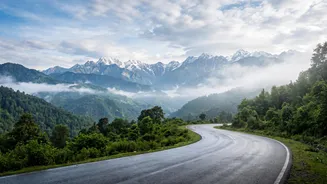
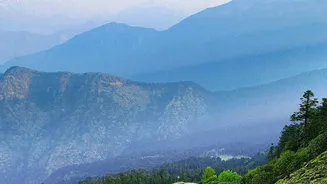
You go to the hills for the views, but post-monsoon fog can sometimes have other plans. Valleys filled with mist can be beautiful, but dense fog can reduce visibility to near zero, making driving dangerous and obscuring the very landscapes you came to see. Some weather services provide visibility forecasts in kilometres. This is crucial information, especially if your itinerary involves driving on winding ghat roads or visiting viewpoints. Fog is most common in the early morning and late evening, so plan your travel and key sightseeing for midday when visibility is likely to be at its best.
Wind Speed and Wind Chill
Wind is a significant factor in mountain weather that often gets overlooked. A calm, 15°C day feels pleasant. But add a 20 km/h wind, and the 'wind chill' factor can make it feel closer to 10°C. This is particularly important if you plan on visiting high-altitude passes, exposed ridges, or viewpoints where you are more exposed to the elements. A good windproof jacket is essential to cut this chill and stay comfortable. Check the forecasted wind speed and gusts before heading out for a trek or a long walk.