





Start With The Right Towel
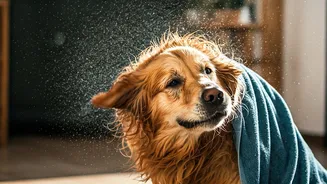
The first step after any wet adventure is a thorough towel-down, but not all towels or techniques are created equal. Your instinct might be to rub your dog vigorously, but this can cause their fur to tangle and mat, especially for long-haired breeds.
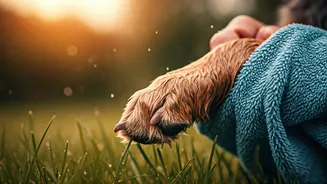
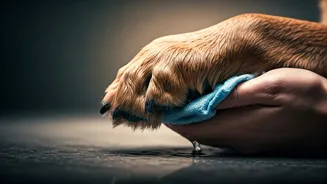
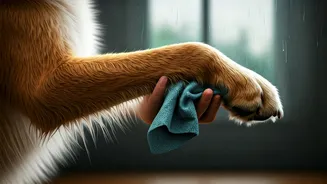
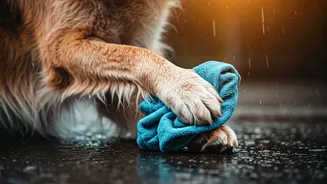
Instead, opt for a highly absorbent microfiber or shammy towel designed specifically for pets. These materials are far more effective than standard cotton towels at pulling water away from the coat. The best method is to press or blot the fur firmly, section by section. Start with their back and sides, then move to the underbelly, legs, tail, and paws. Gently squeeze the fur within the towel to wick away moisture. This pressing motion is not only more effective but also less irritating to your dog’s skin.
Harnessing The Power Of Air
For some short-haired dogs, a vigorous towelling might be enough, but for many, especially those with thick or double coats, air drying is not a safe option. Letting a dog air dry completely can trap moisture against their skin, creating a breeding ground for bacteria and fungus, which can lead to skin irritation or hot spots. This is where a blow dryer comes in, but proceed with caution. A human hairdryer, even on a low setting, can be too hot for a dog’s sensitive skin and lead to burns. It is always best to use a dryer designed for dogs, which uses high-velocity air rather than heat to blast water from the coat. If you must use a human dryer, only use the coolest setting, keep it moving constantly, and hold it at least six to twelve inches away from your dog's skin.
Different Coats, Different Needs
A one-size-fits-all approach doesn't work for drying dogs. The technique needs to be adapted to their specific coat type. Short, smooth coats, like those on Beagles or Dalmatians, dry the quickest. A good towel dry is often sufficient for them. Dogs with double coats, such as Huskies or Golden Retrievers, require more effort. Their dense undercoat can hold moisture for hours, so using a high-velocity dryer is crucial to ensure they are dry right down to the skin. Long-haired breeds, like Shih Tzus or Maltese, benefit from being brushed gently while drying with a low-heat dryer to prevent tangles from forming as the fur dries. Curly-coated dogs, like Poodles, also need brushing during the drying process to prevent their curls from turning into tight knots.
Patience And Positive Reinforcement
The most important tool in your drying kit is patience. Many dogs are fearful of blow dryers due to the noise and sensation. It's crucial to make the experience as stress-free as possible. Introduce the dryer slowly. Let your dog sniff it while it's off, rewarding them with praise and treats. Then, turn it on at a distance, on the lowest setting, and gradually move closer as they become comfortable, continuing to offer treats and praise. Consider using a 'Happy Hoodie' or cotton balls to muffle the sound and reduce their anxiety. If your dog remains highly stressed, don't force it. Focus on getting them as dry as possible with towels and then let them finish in a warm, dry room. Breaking the process into short sessions can also help. Ultimately, turning drying from a battle into a bonding experience is a win for both of you.