





Why the Rainy Season Is Risky for Roots
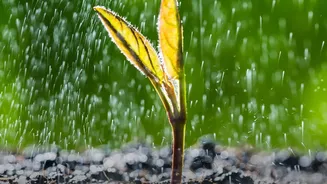
Healthy roots need oxygen to survive, which they absorb from air pockets in the soil. During the monsoon, continuous rain saturates the soil, filling these air pockets with water. When roots are deprived of oxygen, they can suffocate and begin to decay.
This state, known as root rot, is often caused by soil-borne fungi that thrive in wet, low-oxygen conditions. Because the damage starts underground, many gardeners only notice a problem when the plant's leaves turn yellow or start to wilt, by which point the root system may already be severely compromised.
Start With the Right Foundation: Soil and Drainage
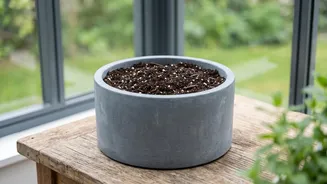
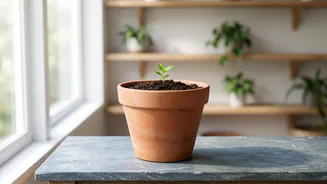
Prevention is the best cure, and it starts with the pot itself. Ensure every container has at least one unobstructed drainage hole at the bottom. For larger pots, multiple holes are better. Never use heavy garden soil in containers, as it compacts and retains too much water. Instead, use a light, well-draining potting mix. A good DIY mix for the monsoon combines garden soil, cocopeat or compost, and a generous portion of coarse sand or perlite to improve aeration and allow excess water to escape quickly.
Adjust Your Watering Schedule
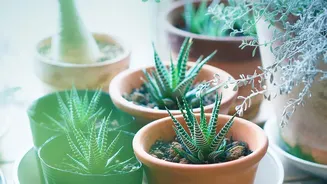
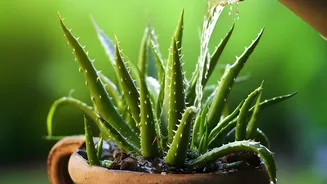
The most common mistake during the rainy season is sticking to a summer watering routine. With high humidity and frequent rain, plants need significantly less manual watering. Before reaching for the watering can, always perform the finger test: insert your finger two inches into the soil. If it feels moist, do not water the plant. For plants on covered balconies or indoors that don't receive direct rain, this check is crucial to avoid overwatering. Plants like succulents and cacti are especially vulnerable and may need 50% less water than in dry weather.
Provide Shelter and Improve Airflow
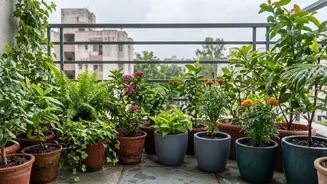
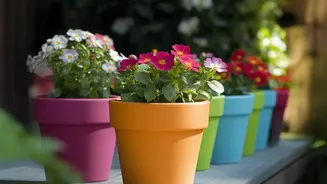
While gentle rain is beneficial, a relentless downpour can be fatal. If possible, move vulnerable plants under a roof or overhang during periods of extremely heavy rain. You can also elevate your pots using bricks, pot feet, or dedicated plant stands. This simple step prevents the base of the pot from sitting in a puddle of stagnant water and improves drainage and airflow around the roots. Good air circulation between plants is also key to preventing the fungal diseases that flourish in damp, humid conditions, so avoid overcrowding your plants.
Watch for the Telltale Signs of Distress
Be vigilant and inspect your plants regularly for signs of overwatering. The most common symptoms include yellowing leaves, particularly the lower ones, and wilting or drooping despite the soil being wet. This wilting happens because the rotting roots can no longer absorb water and nutrients to supply the plant. Other warning signs are soft, mushy stems, the appearance of mould or fungus on the soil surface, or a sour, musty smell coming from the pot. If you notice any of these signs, you must act quickly.
Emergency Rescue for Waterlogged Plants
If you suspect root rot, the first step is to stop watering immediately. Gently unpot the plant and inspect the roots. Healthy roots are firm and white, while rotten roots will be brown, black, and mushy. Using a pair of sterilised scissors, carefully trim away all the affected roots. Repot the plant in a fresh, dry, well-draining potting mix—never reuse the old, contaminated soil. Place the recovering plant in a spot with bright, indirect light and refrain from watering for a few days to allow the roots to heal.