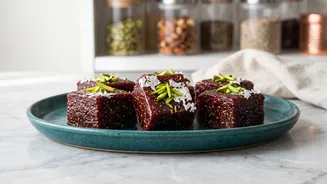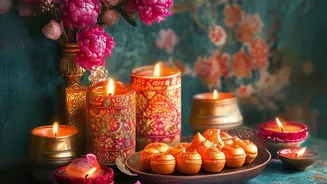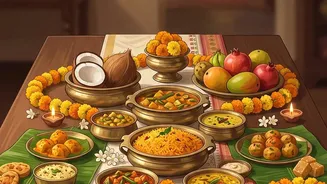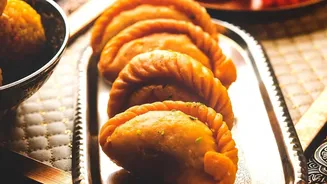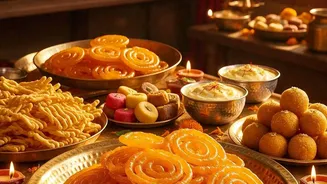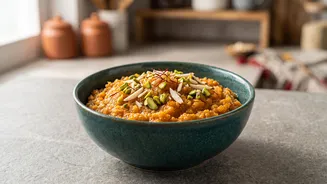

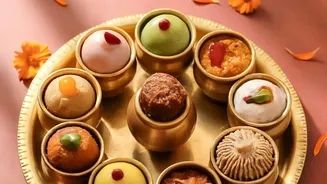
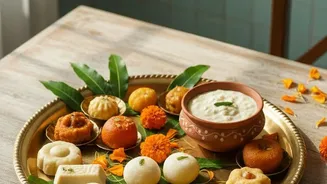
Bhai Dooj is a festival wrapped in ritual and affection, where sweets are more than just a treat—they are a language of love. Amid the classic mithai, one humble, earthy dessert is quietly finding its place: sweet potato halwa.
The Sweetness of Tradition
Bhai Dooj, celebrated two
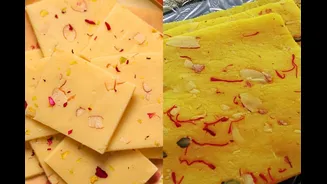
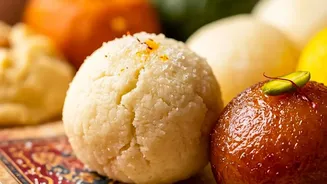
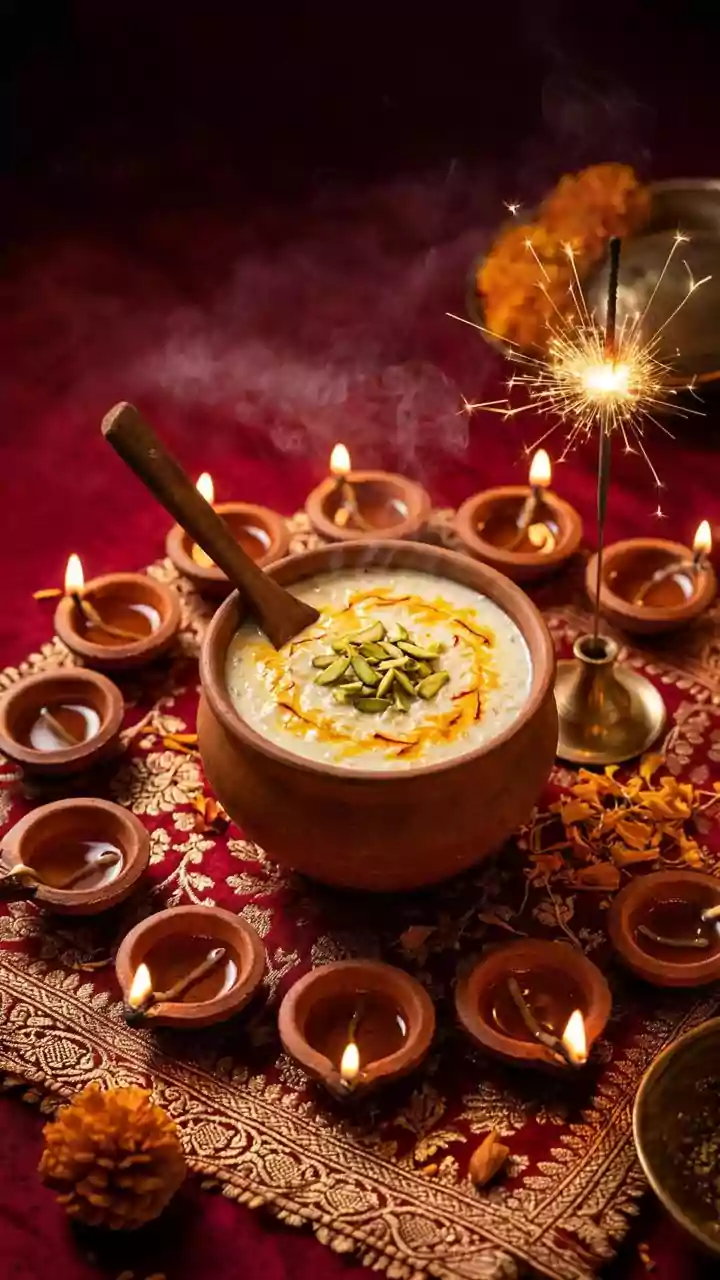
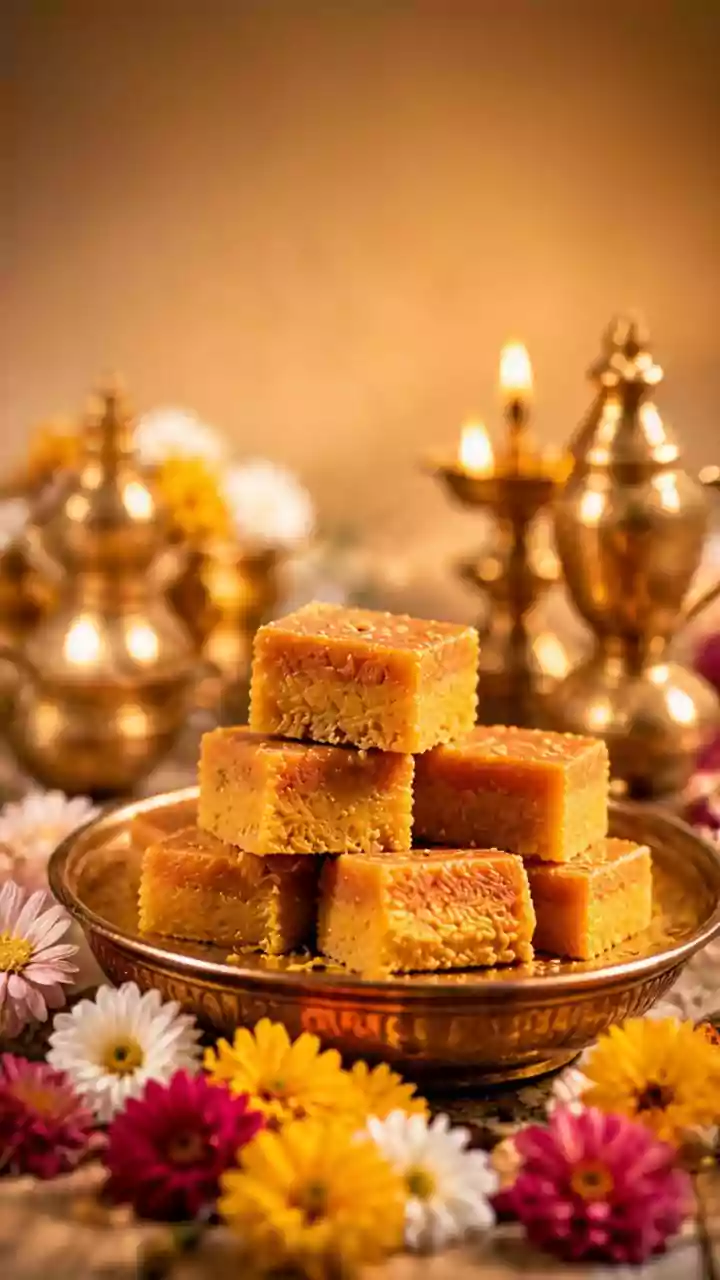
days after Diwali, is a heartfelt ode to the sibling bond. Sisters perform an aarti, apply a 'tilak' on their brother's forehead, and pray for their longevity and prosperity. In return, brothers offer gifts and a promise of protection. Central to this ceremony is the act of sharing sweets. It’s a gesture that signifies sweet beginnings, abundance, and deep affection. The festive platter is often laden with classics like ladoos, kaju katli, and kheer, each a delicious reinforcement of the day's loving spirit.
A New Contender: Shakarkandi Halwa
Among the familiar favourites, sweet potato halwa, or shakarkandi halwa, has emerged as a noteworthy presence. While not as historically entrenched in Bhai Dooj lore as, say, ladoos, its rising popularity speaks to a larger shift in our festive food culture. It’s a dish that feels both traditional and new. The concept of 'halwa' itself is ancient, having travelled to India from the Middle East via Persia centuries ago. Indian kitchens adopted it and made it their own, using everything from carrots (gajar) to lentils (moong dal). Shakarkandi is simply the latest chapter in this story of sweet adaptation.
A Rooted History in Purity
The acceptance of sweet potato in festive meals is tied to its long-standing role in Indian culinary traditions, particularly during religious fasting. Known as shakarkandi, this root vegetable is a staple during 'vrat' periods like Navratri and Ekadashi, when grains are avoided. Its status as a permissible 'pure' food makes it a natural fit for auspicious occasions. Unlike the common potato, shakarkandi carries an earthy sweetness and a dense, comforting texture that lends itself beautifully to desserts. It has appeared in various regional forms for years, from street-side chaat to simmered curries.
The Appeal of a Healthier Indulgence
In an era where many are mindful of their health even during celebrations, sweet potato halwa offers a compelling advantage. Sweet potatoes are a nutritional powerhouse, packed with vitamins A and C, fiber, and antioxidants. Compared to sweets made primarily from refined flour and sugar, shakarkandi halwa, often prepared with jaggery and a modest amount of ghee, feels like a more wholesome indulgence. Its natural sweetness means less added sugar is required. This allows families to honour the tradition of serving something sweet without the associated guilt, making it a perfect modern-day festive dessert.
A Bridge Between Old and New
The modern Indian festive table is a fascinating mix of classic recipes and new interpretations. There's a growing trend of reimagining traditional mithai, creating fusion desserts, and incorporating healthier ingredients. Sweet potato halwa sits perfectly at this intersection. It retains the comforting, familiar form of a classic halwa that grandmothers have perfected over generations. Yet, it is also championed by a new generation that values nutrition, seasonal produce, and subtle flavours. It isn't replacing the classics but expanding the palette of celebration.