



The Golden Rule: Master The Layering System
Forget packing thick, bulky sweaters. The key to staying warm in sub-zero temperatures is layering. This traps body heat efficiently and allows you to adjust to fluctuating temperatures. The three-layer system is your best friend. The first, or base layer,
should be a thermal top and bottom made of materials like merino wool or synthetics that wick sweat away from your skin. The second, or mid-layer, is for insulation; a fleece jacket or a lightweight puffer jacket works perfectly. The final outer layer is your shield against the elements—a waterproof and windproof jacket is non-negotiable to protect you from snow, rain, and biting winds.
Essential Clothing and Outerwear
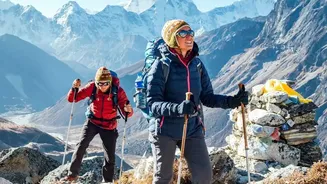
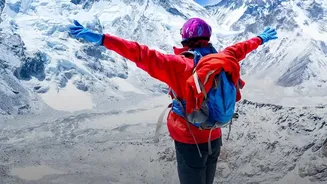
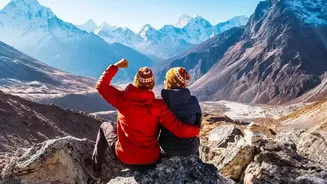
Beyond the layering system, a few specific items are crucial. For your lower body, two pairs of quick-dry, comfortable trekking pants are ideal; avoid heavy denim as it takes too long to dry. A down or heavily padded jacket is essential, especially for evenings when temperatures plummet. Don’t forget to protect your extremities. Pack at least three to four pairs of woollen socks, a woollen cap or beanie that covers your ears, a muffler or neck gaiter, and a pair of waterproof gloves. A common mistake is forgetting sun protection; the UV rays at high altitudes are harsh, so sunglasses and a sun cap are must-haves for sunny days.
Footwear: Your Most Important Gear
The right shoes can make or break your Himalayan adventure. Your everyday sports shoes will not suffice in snow and ice. Invest in a pair of sturdy, high-ankle, waterproof trekking boots. High ankles provide crucial support on uneven terrain and prevent snow from getting in. Ensure the boots have a good grip to handle slippery, icy patches. It is vital to break in your new shoes before the trip to avoid painful blisters. For relaxing at your hotel or guesthouse, a pair of comfortable floaters or sandals is good to have. While some places offer snow boots on rent, having your own well-fitting, reliable pair is always the safer bet.
Health Kit and Medications
High altitude brings its own set of health challenges, primarily Acute Mountain Sickness (AMS). It's wise to consult your doctor before the trip. They may prescribe medication like Diamox (Acetazolamide) to help with acclimatisation. Your personal first-aid kit should include basics like antiseptic wipes, bandages for cuts and blisters, pain relievers, and medication for stomach issues or motion sickness. The air in the mountains is extremely dry, so carry a good moisturiser and lip balm with SPF to prevent chapped skin and lips.
Gadgets, Documents, and Other Essentials
Cold weather drains batteries at an accelerated rate. Carry a high-capacity power bank (20,000 mAh is recommended) and spare batteries for your camera. Keep your electronics, like your phone, close to your body to keep them warm. Always carry your original ID proofs and keep them in a waterproof pouch. It's also a good practice to have digital copies saved on your phone or cloud storage. Lastly, pack some high-energy snacks like chocolates, nuts, and energy bars for a quick boost while you're on the move.
Common Packing Mistakes to Avoid
One of the biggest mistakes is overpacking. Avoid carrying 'fashion' jackets that aren't built for extreme cold, or multiple pairs of shoes that just add weight. Another common error is packing cotton. Cotton absorbs moisture and takes a very long time to dry, which can be dangerous in cold conditions. Stick to wool or synthetic fabrics. Also, don't underestimate the sun; forgetting sunscreen and sunglasses can lead to severe sunburn and snow blindness. The goal is to be prepared, not to carry your entire wardrobe up the mountain.